
Pruning
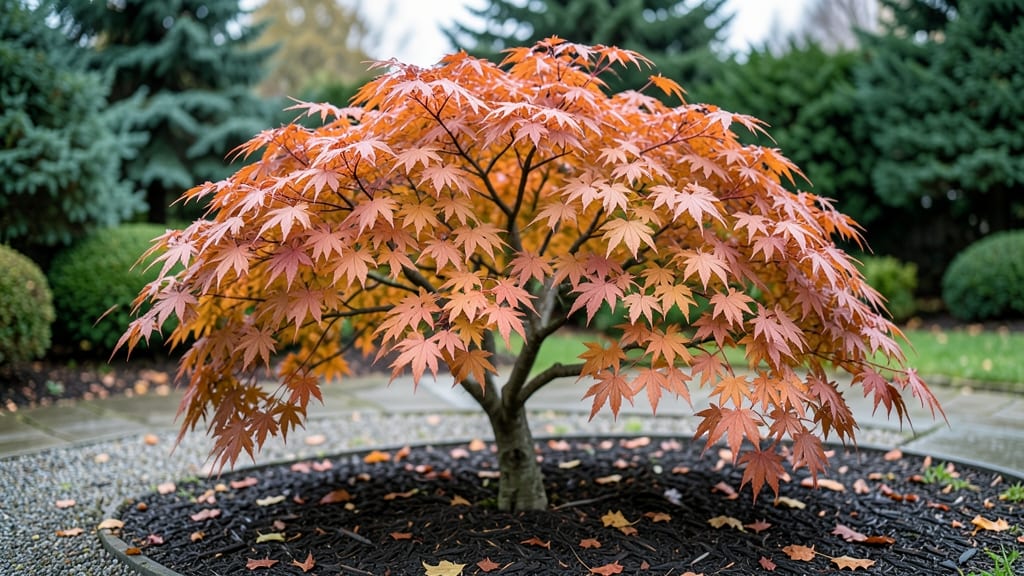
Your Japanese Maple Tree 'Orangeola' isn't just a tree—it's a living piece of art that deserves careful attention, especially when pruning. ✂️ I've watched mine transform from a scraggly sapling to a showstopper with fiery orange leaves by mastering the right cuts at the right times, and the secret isn't complicated once you know it.
The key is working with its natural growth pattern rather than against it. Unlike other maples, 'Orangeola' responds beautifully to light shaping, especially in late winter when it's still dormant.
You'll want to focus on opening up the canopy to let sunlight reach all those vibrant leaves, while avoiding heavy cuts that can stress the tree. Think of it as giving your tree a haircut that enhances its natural shape rather than changing it.
By following this approach, you'll see a year-round display of that stunning orange foliage, even in winter when many trees go dull. The tree stays healthier too, with fewer dead branches and more energy going into new growth. It's not just about aesthetics—it's about keeping your 'Orangeola' thriving for decades.
This method works for both young trees and mature specimens, though the techniques adjust slightly based on size. Let's get started with the tools and timing that make all the difference.
📚 In This Guide
- What you need
- Instructions
- Tips and common mistakes
- Wrapping up and next steps
What you need
- ● Bypass Pruners: Sharp, clean pair (for cuts up to ½ inch thick). Pro tip: Sterilize with rubbing alcohol between cuts to prevent disease! 💡
- ● Loppers: 1 pair (for branches ½–1½ inches thick). Look for ergonomic handles to reduce hand fatigue.
- ○ Pruning Saw: 1 curved-blade saw (for thicker branches 1½+ inches). Optional: A foldable saw for hard-to-reach spots.
- ● Gloves: 1 pair of cut-resistant, breathable gloves (gardening or pruning-specific).
- ● Ladder or Step Stool: Adjustable height (6–12 ft), with non-slip feet for safety.
- ● Disposable Pruning Bags: 2–3 medium-sized bags (for collecting debris). Eco-friendly tip: Use biodegradable bags!
- ○ Sealing Wax (Pruning Sealant):strong> 1 small tube (for sealing large cuts >1 inch). Optional: Copper-based fungicide to prevent infections.
- ● Weather Check: Prune on a dry, overcast day (avoid midday sun or rain).
- ● Safety Gear: Safety glasses (1 pair) and long sleeves/pants (to protect from sap or thorns).
- ● Tree Identification Guide: A printed or digital reference for Japanese Maple varieties (to spot disease signs early).
- ● Water & Snacks: Hydration is key—especially if pruning on a warm day! 💧
- ● Notepad & Pen: To jot down notes on cuts made (helpful for tracking growth patterns).
Step-by-Step guide to pruning your Japanese Maple 'Orangeola'
Here’s how to keep your tree’s brilliant foliage thriving year-round with minimal effort.
✂️ Step 1: Assess the Canopy in Late Winter (Dormant Season)
Wait until late February or early March when the tree is fully dormant—no buds have swollen yet. This timing prevents stressing the tree too early in the season. Examine the branches from all angles, looking for dead, crossing, or crowded growth. Dead branches snap easily when bent; healthy ones bend slightly. Mark these with white garden twine for clarity before making cuts.
Focus on thinning out rather than shearing. The goal is to improve airflow and sunlight penetration, which keeps those fiery orange leaves vibrant. I like to remove up to 20% of the canopy in this first prune—never more than that in one session. Use clean, sharp pruners (sterilized with rubbing alcohol) to make 45-degree cuts just above a bud or branch collar.
☀️ Step 2: Light Pruning After Spring Flush (May-June)
Once the new spring growth appears—usually late May or early June—do a light maintenance prune. This is about refinement, not heavy cutting. Remove any suckers (shoots growing from the base or trunk) immediately; they drain energy from the main canopy. Also trim back any branches that grew too long or leggy during the spring flush, cutting just above a leaf node or outward-facing bud.
Watch for water sprouts (fast-growing vertical shoots) and rubbery growth (thin, weak branches). These are red flags—snip them off at the base. Avoid pruning when the tree is under stress (like during drought) or when buds are swelling. You’ll know you’ve done enough when the canopy looks open and airy, not dense.
✂️ Step 3: Summer Pruning for Shape and Health (July-August)
Mid-summer is for corrective pruning—fixing any issues that arose after the spring flush. If you notice yellowing leaves or branches growing in awkward directions, trim them back. For thick, overcrowded areas, thin out the smallest branches first—this prevents future congestion. Always cut just outside the branch collar (the swollen area where the branch meets the trunk) to promote fast healing.
This is also the time to shape the tree subtly. Japanese maples like ‘Orangeola’ respond well to light directional pruning—guide branches to grow outward rather than inward. Use hand pruners for branches under ½ inch thick and loppers for thicker branches. After pruning, apply wound sealant (optional but helpful for larger cuts) to prevent disease entry.
🍂 Step 4: Fall Cleanup (October-November)
As leaves begin to change color—usually late October—do a final cleanup prune. Remove any dead, diseased, or damaged branches first. Then, trim back any overly vigorous growth that might have developed during the summer. The goal here is to prepare the tree for winter by reducing stress and improving its structure.
This is also the time to sterilize your tools again and store them properly. Avoid heavy pruning now—you don’t want to stimulate new growth that won’t harden off before winter. If you must prune, stick to structural adjustments only. Afterward, apply a layer of mulch (2-3 inches) around the base to protect roots from temperature swings.
⏰ Step 5: Minimal Winter Touch-Ups (If Needed)
Winter is for observation, not pruning—unless you spot ice damage or broken branches after a storm. If you must prune, do so on a warm, dry day when the ground isn’t frozen. Remove only obviously dead or hazardous branches, and avoid making large cuts. The tree is dormant, so it won’t respond well to heavy pruning now.
Use this time to plan next year’s pruning. Sketch a rough outline of your tree’s shape and note areas that need attention. This ensures a consistent, balanced approach rather than reactive pruning. By spring, your ‘Orangeola’ will reward you with vibrant, healthy foliage—proof that strategic cuts keep it thriving year-round.
Tips & tricks for perfect Japanese Maple tree pruning
Here's what nobody tells you about keeping your 'Orangeola' maple looking stunning all year—these are the secrets that make the difference.
Timing is Everything: The late February/early March window for Step 1 is non-negotiable for Japanese maples. I learned this the hard way after seeing buds swell prematurely from early pruning—it stresses the tree and weakens next year's foliage. Wait until you can see the tree's silhouette clearly against the sky with no buds showing. This timing ensures the tree has stored enough energy for vibrant spring growth.
Branch Identification Tricks: When assessing branches in Step 1, use the "snap test" for dead wood—healthy branches bend slightly before snapping, while dead ones break cleanly. For crossing branches, look for the one growing more vertically; remove that one to maintain an open canopy. I always mark branches with white garden twine before cutting to avoid confusion, especially when working from a ladder.
Pruning Technique for Health: The 45-degree angle cut just above a bud in Step 1 isn't just about aesthetics—it promotes faster healing and directs new growth in the right direction. Always cut just outside the branch collar (that swollen area where the branch meets the trunk) to prevent tearing. For larger branches in summer, use loppers and apply wound sealant immediately to prevent disease entry points.
Seasonal Pruning Strategy: Think of each season's pruning as a conversation with your tree. In spring (Step 2), you're refining its shape; in summer (Step 3), you're correcting issues; in fall (Step 4), you're preparing it for winter. The key is to never remove more than 20% of the canopy in any single session—this prevents shock and maintains that stunning orange foliage we all love.
Pro Tips for Japanese Maple Tree Orangeola
- Here's what nobody tells you about keeping your 'Orangeola' maple looking stunning all year—these are the secrets tha...
- Timing is Everything: The late February/early March window for Step 1 is non-negotiable for Japanese maples. I learne...
- Branch Identification Tricks: When assessing branches in Step 1, use the "snap test" for dead wood—healthy branches b...
Frequently asked questions
Got questions about pruning your Japanese Maple Tree 'Orangeola'? You’re not alone!
Below, we tackle the most common concerns—from timing to troubleshooting—so you can keep your tree’s vibrant foliage thriving year-round.
When is the best time to prune my 'Orangeola' Japanese maple?
The ideal window is late winter to early spring (before buds swell) or summer after flowering. Avoid pruning in fall or winter, as cold stress can harm the tree. For light maintenance (like deadwood removal), you can trim anytime—but heavy pruning disrupts the tree’s energy reserves. Pro tip: If you must prune in summer, do it early to avoid heat stress.
How much can I trim without hurting my 'Orangeola'?
Stick to the rule of thumb: Never remove more than 25% of the canopy in one year. For young trees, light shaping (10–15%) is plenty. Over-pruning can stress the tree, leading to weak growth or even dieback. Focus on selective cuts—remove crossing branches, deadwood, or those rubbing together first. Warning: Heavy cuts can reduce next year’s vibrant orange foliage!
What should I do if my 'Orangeola' bleeds sap after pruning?
Sap bleeding (or "weeping") is normal but annoying! To minimize it, prune on dry days and avoid cutting into large stems. Seal cuts with pruning sealant (like Tanglefoot) if bleeding is excessive, but only for wounds over ½ inch thick. Most trees recover fine—just keep the area watered and monitor for signs of infection (like oozing or fungus).
Can I shape my 'Orangeola' like a bonsai or topiary?
This variety’s flexible branches make it perfect for creative shaping. Use hand pruners or concavity cutters for precision, and wire young branches gently to train them. For bonsai-style growth, prune just above a bud and fertilize lightly post-pruning. Caution: Avoid aggressive thinning—'Orangeola’ thrives on a dense, lush canopy.
Why are my new leaves yellow or pale after pruning?
Yellow or pale leaves often signal nutrient stress or over-pruning. Boost recovery by:
- Applying a balanced fertilizer (like 10-10-10) in spring.
- Watering deeply 1–2 times weekly until new growth appears.
- Mulching with organic matter (e.g., shredded bark) to retain moisture.
What’s a good alternative if I don’t want to prune often?
If maintenance feels overwhelming, opt for low-maintenance cultivars like:
- 'Bloodgood' (deep red, drought-tolerant).
- 'Emperor 1' (upright growth, minimal shaping).
- 'Shishigashira' (weeping habit, naturally lush).
Wrapping up and next steps
The Japanese Maple Tree Orangeola is a stunning addition to any garden, and with the right pruning techniques, you can keep its vibrant canopy thriving year-round. By understanding seasonal needs, using the proper tools, and following strategic cuts, you’ll maintain its health and beauty for decades to come. 🌿
Now that you’re equipped with the knowledge, grab your pruners and get ready to shape your tree! Start small—even just a few well-placed cuts can make a difference. Happy pruning! ✂️💚