
Blooming
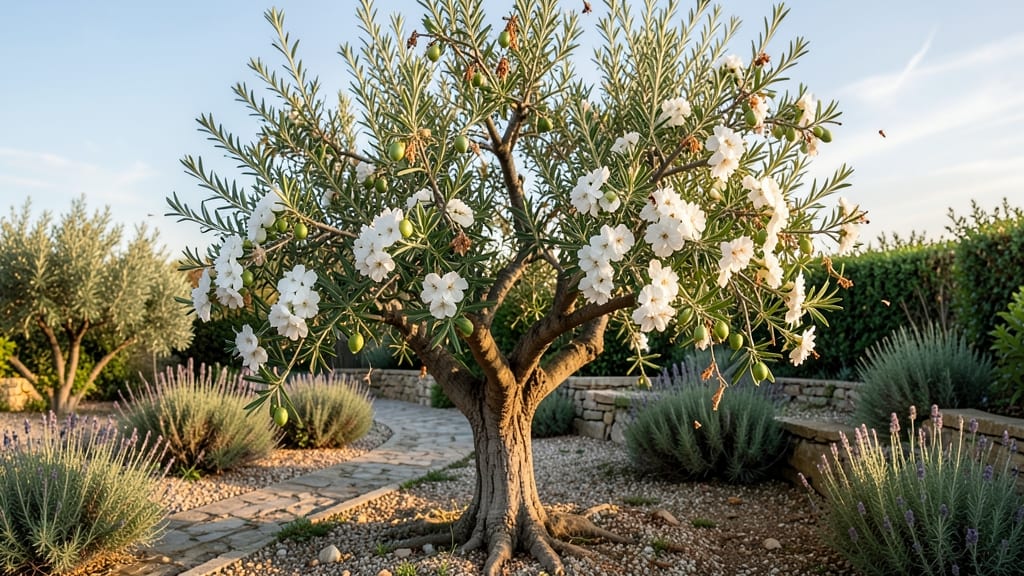
The olive tree bloom stages reveal the secret to a fruitful harvest—each phase from tiny buds to vibrant flowers is your roadmap to better yields.
Watching your olive tree transform from bare branches to a stunning floral display is magical—but understanding its bloom stages is the key to maximizing fruit production and tree health.
In Mediterranean climates (Zones 8b–10b), blooms typically kick off in late spring, but timing shifts with your region. Too much heat or cold can stall progress, while proper care turns a sparse show into a lush canopy.
Below, I’ll break down the four critical stages—what to look for, how to support each phase, and the simple fixes that turn a struggling tree into a blooming powerhouse.
The 4 key stages of olive tree bloom (with timing and visual clues)
Olive trees (Olea europaea) produce some of the most delicate white flowers in late winter to early spring, but their bloom cycle unfolds in four distinct stages—each with unique visual cues and timing. Understanding these phases helps you predict fruit production and troubleshoot issues before they affect your harvest.
In Mediterranean climates, blooms typically appear in February–March, while temperate zones may see them slightly later, around April–May.
Each stage depends on temperature fluctuations, sunlight exposure, and proper care. For example, bud formation requires cool winter nights followed by warming days—a classic Mediterranean pattern. Missing these cues can delay or even prevent flowering entirely.
Let’s break down what to watch for at each step, including visual clues and seasonal timing variations based on your climate zone.
| Stage | Visual Clues | Timing (Mediterranean) | Timing (Temperate) | Key Care Tips |
|---|---|---|---|---|
| Bud Formation | Small green buds appear on branch tips; leaves may still be dormant. | Late January–February | March–April | Avoid pruning; ensure well-draining soil. |
| Flowering | White, fragrant flowers (tiny, 4-petaled) cluster at branch ends; tree resembles a "snowstorm." | February–March | April–May | Support pollinators (bees); reduce water slightly. |
| Pollination | Flowers wilt; tiny green olives (peas-sized) form; some may drop if pollination fails. | March–April | May–June | Thin fruits if overcrowded; monitor for pests. |
| Fruit Set | Olives grow to 1–2 inches; color shifts from green to purple/black. | April–June | June–August | Apply balanced fertilizer (6-6-6); protect from frost. |
During bud formation, olive trees rely on chilling hours (300–600 hours below 45°F) to trigger growth. In warmer climates like California’s coastal regions, this stage might start as early as January, while inland areas in Zone 8 may see delays until late February.
Look for swollen buds along the branches—these are your first sign that the tree is preparing to bloom.
When the tree enters the flowering stage, it’s a breathtaking sight: thousands of tiny white flowers cover the branches, creating a cloud-like appearance. This phase lasts about 2–3 weeks and requires bees or wind for pollination.
If you notice few bees visiting, consider hand-pollinating by gently shaking branches to disperse pollen. In temperate zones, flowering may stretch longer due to cooler temperatures.
The pollination stage is critical—up to 50% of flowers may drop if pollination fails. Successful pollination results in peas-sized olives forming within 4–6 weeks. Here’s how to check: Gently press an olive—if it feels firm and green, pollination worked.
If it’s shriveled or brown, the tree may need better pollinator support or adjusted care during flowering.
Finally, fruit set marks the transition from flowers to olives. This stage is when you’ll see visible growth—olives swell and darken. In Mediterranean climates, this happens by late spring, while temperate zones may take until summer.
During this time, thin overcrowded branches to ensure larger, healthier olives. A general rule: Leave 4–6 inches between fruits on mature trees.
Climate plays a huge role in timing. For example, olive trees in USDA Zone 9 (like Southern California) bloom 2–4 weeks earlier than those in Zone 8 (e.g., Arizona). If your tree blooms late, check for water stress or nutrient deficiencies—both can delay the process.
Conversely, excessive heat during flowering (above 90°F) can cause flowers to drop before setting fruit.
Pro tip: Use a magnifying glass to inspect buds early in
Why your olive tree isn’t blooming (and 5 fixes to encourage more flowers)
If your olive tree is putting out leaves but skipping the flowers, don’t worry—you’re not alone. Olive trees are slow to mature, often taking 3-5 years before producing significant blooms. Even then, environmental factors like pruning mistakes or nutrient imbalances can stall flowering.
The good news? With the right adjustments, you can trigger more abundant blooms and eventually enjoy a harvest of olives.
First, check your tree’s age and maturity level. Young olive trees focus energy on root and branch growth, leaving little for flowers. If your tree is under 5 years old, patience is key—prioritize balanced care over forcing blooms.
For older trees, the issue likely lies in care practices. Let’s troubleshoot the most common culprits and fix them with actionable steps.
⚠️ Olive Tree Bloom Stages: Critical Timing Mistakes
Olive trees bloom in late spring (April–May in Zone 8-10), but their flower buds form the previous summer. Missing this window means fewer blooms next year. Here’s the timeline:
- Summer (June–August): Buds develop on new wood—prune aggressively now, and you risk next year’s flowers.
- Fall (September–November): Buds harden; reduce watering to stress the tree slightly (this triggers hormonal shifts for blooming).
- Winter (December–February): Dormancy period—avoid fertilizing or pruning.
- Spring (March–May): Flowers appear; hand-pollinate if bees are scarce (gently shake branches).
✅ Pro Tip: If your tree bloomed last year but not this year, check for over-fertilizing with nitrogen—it promotes leaves over flowers.
One of the biggest pruning mistakes gardeners make is cutting back too late. Olive trees bloom on new growth, so pruning after mid-summer removes potential flower buds for next year. Always prune in late winter or early spring (February–March) to encourage healthy new wood that will bear flowers.
Thin out dense branches to improve air circulation, which reduces stress and encourages blooming.
Your watering schedule might also be sabotaging blooms. Olive trees are drought-tolerant, but inconsistent watering—either overwatering or underwatering—can shock the tree and delay flowering.
Aim for deep, infrequent watering (every 7–10 days for mature trees) and reduce it in fall to signal the tree to prepare for dormancy and bloom formation. A 5-gallon soak once a week is better than daily shallow watering.
Fertilizer choices play a huge role in olive tree blooming. Too much nitrogen-heavy fertilizer (like lawn fertilizer) will produce lush foliage but fewer flowers. Instead, switch to a balanced or phosphorus-rich fertilizer (like 6-6-6 or 8-3-9 NPK ratio) in early spring to encourage blooming.
Organic options like bone meal or composted manure also boost phosphorus, which is critical for flower development. Apply fertilizer in early morning to avoid leaf burn.
Finally, consider hand-pollination if your area lacks bees. Olive flowers are self-pollinating, but wind or insect activity helps. On a dry, windless day, gently shake the branches to dislodge pollen.
For container-grown trees, use a soft paintbrush to transfer pollen between flowers. This trick can double your bloom success, especially in urban areas where pollinators are scarce.
With these 5 fixes—correct pruning timing, balanced watering, smart fertilizing, seasonal care adjustments, and hand-pollination—your olive tree should start producing more flowers within 1–2 years. Patience and consistency are key, but the reward of homegrown olives makes it worth the effort! 🫒