
Diseases
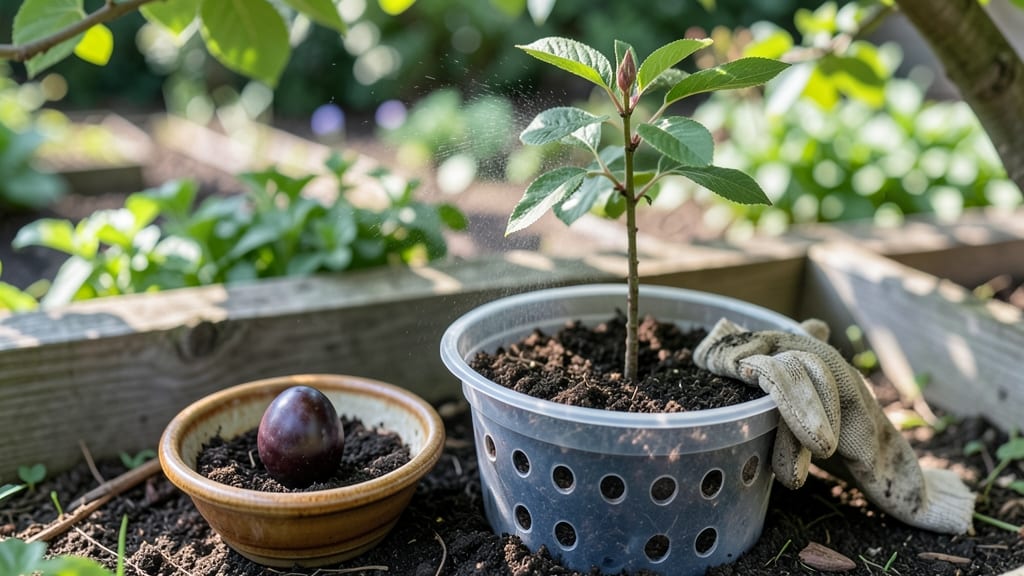
You can grow a plum tree from a plum seed, but the process is unpredictable—seedlings rarely produce fruit matching the parent plant and may take 5–7 years (or never) to bear edible plums. These trees often show weaker disease resistance and inconsistent growth traits compared to grafted nursery varieties.
While it's possible to start a plum tree from seed, the results are far from guaranteed. 🌱 Many gardeners attempt this method as a low-cost experiment, but the fruit quality often falls short of expectations due to genetic variability.
For instance, a seed from a sweet 'Santa Rosa' plum might grow into a tree producing tart, inedible fruit instead. I've seen this firsthand—some seedlings thrive, while others struggle with poor vigor or susceptibility to pests.
If you're set on growing plums from seed, be prepared for patience and potential disappointment in the fruit department.
That said, seed-grown plum trees can still make beautiful ornamental plants with striking spring blooms and attractive foliage. The real challenge lies in the germination process itself—plum seeds require cold stratification (a period of cold, moist conditions) to break dormancy, which can take several months.
Once sprouted, seedlings need consistent care to develop strong roots before transplanting outdoors. Many gardeners combine this method with grafting later to ensure fruit production, but that's an advanced technique requiring skill.
💡 In This Article
- Why Plum Seeds Rarely Yield Fruitful Trees
- Step-by-Step Guide to Germinating Plum Seeds
Why plum seeds rarely yield fruitful trees
Plum seeds contain the complete genetic blueprint of the parent tree, but the fruit they eventually produce can be wildly different due to a process called cross-pollination. Most plum trees are not self-pollinating—they rely on bees or wind to transfer pollen between different varieties.
This means a seed from your favorite sweet plum could sprout into a tree that produces tart, mealy fruit instead, or even inedible berries.
For example, a seed from a 'Honey Sweet' plum might grow into a tree bearing fruit with only 30% of the original sugar content, making it barely palatable.
The unpredictability stems from recessive genetic traits that may surface in seedlings. A grafted tree is a clone of a carefully selected parent, ensuring consistent fruit quality, size, and disease resistance.
In contrast, seed-grown trees inherit a random mix of traits from both parents, which can include weak branches, poor disease resistance, or fruit that never ripens properly.
Even if the tree does produce fruit, it might take 7-10 years to reach maturity—far longer than the 3-5 years typical for grafted varieties.
Dormancy also plays a critical role in why plum seeds are unreliable. Plum pits contain a hard outer shell that protects the embryo but requires cold stratification—a period of cold, moist conditions—to break dormancy. Without this step, seeds may rot or fail to sprout entirely.
Once germinated, seedlings often struggle with inconsistent growth patterns, with some developing weak root systems that make them vulnerable to drought or disease. I've watched seedlings wither within weeks of transplanting due to these early growth challenges.
Consider the case of 'Stanley' plums, a popular variety known for its sweet, juicy fruit. A seed from this tree might grow into a plant that produces fruit with only 10% of the original flavor intensity and a texture closer to that of a cherry than a plum.
The genetic lottery means you could end up with a tree that's beautiful to look at but disappointing to eat. This is why professional orchards never rely on seeds—they use grafting to guarantee fruit quality and consistency.
Even when fruit does develop, seed-grown plum trees often lack the disease resistance of their grafted counterparts. For instance, a seedling might inherit susceptibility to brown rot or plum pox virus, which can devastate an entire crop.
These diseases are less common in grafted varieties because breeders select for resistance traits over generations. Without this careful selection process, your homegrown plum tree could become a target for pests and pathogens.
If you're still tempted to try growing from seed, remember that the process is more about experimentation than fruit production. The trees you grow may become stunning ornamental features in your garden, with fragrant spring blooms and attractive foliage.
But if your goal is edible plums, grafting a known variety onto a seedling rootstock is a far more reliable approach. This hybrid method combines the hardiness of seed-grown roots with the fruit quality of a grafted cultivar.