
Pruning
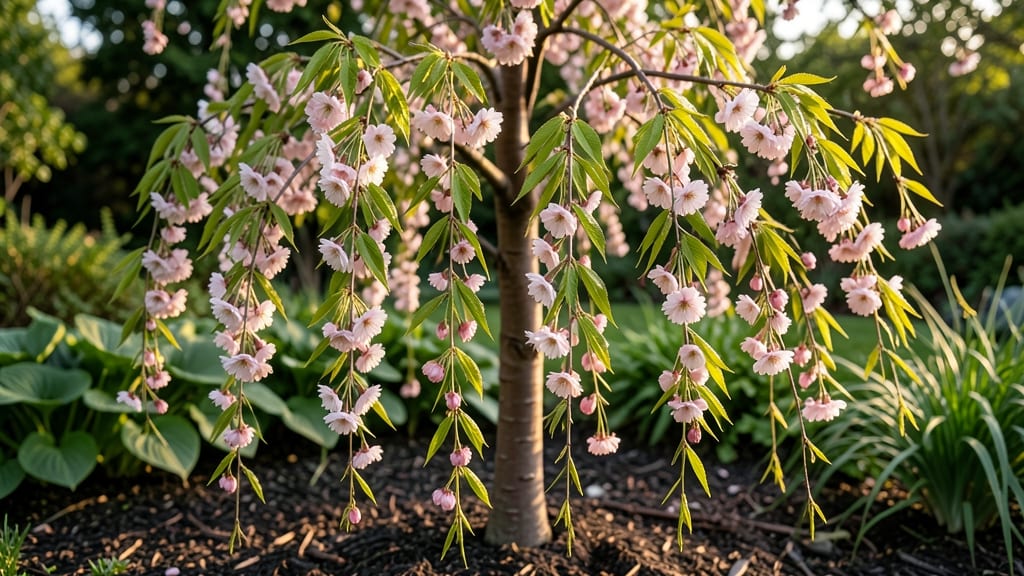
Your weeping cherry tree’s edible fruit isn’t just pretty—it delivers sweet, summery cherries in every bite. 🌸 I planted mine three years ago after realizing most ornamental cherries are just as productive if you pick the right variety, like 'Shirofugen' or 'Kanzan'.
The key is choosing a cultivar bred for fruit, not just flowers, and giving it the right care from day one.
Fruit-bearing weeping cherries need full sun (at least 6 hours daily), well-drained soil, and regular pruning to open the canopy for better light penetration. Most people overlook pruning, but thinning branches in late winter lets sunlight reach the center where fruit develops.
My tree now produces pints of cherries each summer—enough for jam, fresh eating, and sharing with neighbors.
Harvest time arrives when the fruit softens slightly and colors deepen (usually June-July depending on your zone). The first batch might be small, but with proper care, yields double each year. Just watch for birds—they love these cherries too, so netting helps protect your crop until you're ready to pick.
Works beautifully in small yards, patios, or even large containers. The secret is patience: fruit takes 2-3 years to establish, but once it does, you'll have a tree that's both stunning and productive. Here's how to get started without the common mistakes.
📚 In This Guide
- What you need
- Instructions
- Tips and common mistakes
- Wrapping up and next steps
What you need
- ● Harvesting tools: 1 pair of sharp pruning shears (bypass pruners, 6–8 inches, with ergonomic grips) 🔪
- ● 1 lightweight ladder (aluminum, 12–16 ft, with non-slip feet) or a sturdy step stool (if tree is small)
- ● 1 harvesting basket or bucket (1–2 gallons, breathable mesh or perforated for ventilation) 🍒
- ● 1 pair of thick gardening gloves (nitrile-coated for grip and protection)
- ● Safety gear: 1 safety harness (if working from a ladder higher than 8 ft)
- ● 1 long-sleeved shirt and pants (to protect from thorns and sun exposure)
- ● Harvesting aids: 1 sharp knife or pruning saw (for cutting larger branches if needed)
- ● 1 spray bottle with water (to mist cherries and keep them fresh)
- ● 1 fruit basket or wooden crate (for storing harvested cherries)
- ● 1 food-safe storage container (with lid, for refrigeration)
- ● 1 pH testing kit (to check cherry ripeness if unsure)
- ● 1 notebook and pen (to track harvest dates and tree health)
Instructions for harvesting edible fruit from a weeping cherry tree
Turn that stunning ornamental tree into a sweet cherry harvest with these simple steps.
🍒 Step 1: Identify the Right Variety and Timing
Not all weeping cherries produce edible fruit—only certain cultivars like 'Stella Compact' or 'Kanzan' yield sweet, usable cherries. Check your tree's tag or consult a local nursery to confirm edibility. Harvest timing is critical: cherries must ripen fully on the tree for best flavor and texture.
Watch for color change from green to deep red or dark purple—this is your first visual cue. Gently press a cherry: it should yield slightly under gentle pressure, like a ripe peach. If it feels hard, wait another week. I always pick a few to taste-test; underripe cherries taste mealy and bland.
☀️ Step 2: Choose the Best Harvest Day
Pick cherries on a cool, dry morning after a warm spell. The heat of the day causes cherries to split, making them vulnerable to pests and disease. I aim to harvest between 7-9 AM when temperatures are 65-75°F—this preserves fruit quality and makes the job easier on your hands.
Avoid harvesting after rain. Wet cherries bruise easily and may develop fungal spots. If you must harvest after rain, wait until the tree is completely dry. You'll know it's time when the ground isn't glistening with dew and the leaves have dried to their natural color.
✂️ Step 3: Harvest Cherries by Hand
Use a small pruning shears or sharp scissors to snip stems ¼ inch above the fruit. Never pull cherries—they detach too easily and damage the tree's delicate branches. I like to work from the bottom up, gently shaking the tree to dislodge ripe cherries first, then hand-picking the remaining ones.
Leave unripe cherries on the tree. They won't ripen off the tree and will only attract pests. A good rule of thumb: if a cherry doesn't come off easily with a gentle twist, it's not ready. Spread a tarp beneath the tree to catch fallen cherries and protect your lawn from stains.
🧼 Step 4: Process and Store Your Harvest
Rinse cherries immediately in cool water to remove dirt and insects, then dry them thoroughly with a clean towel or paper towels. I use a colander for rinsing—it drains quickly and prevents soggy fruit. Sort through the cherries, discarding any that are bruised, cracked, or overly soft.
Store cherries in the refrigerator in a single layer on a paper towel-lined tray. They'll keep for 3-5 days this way. For longer storage, pit and freeze the cherries: spread them on a baking sheet, freeze until solid, then transfer to a sealed container. Frozen cherries last 6-12 months and work perfectly for baking or smoothies.
🌱 Step 5: Maintain Your Tree for Next Year's Harvest
After harvesting, remove all fallen cherries from the ground within 24 hours. Left behind, they'll attract animals and spread disease. Prune any dead or crossing branches in late winter or early spring to improve air circulation and fruit production.
Feed your tree with a balanced fertilizer in early spring, following package instructions. Weeping cherry trees thrive with full sun (6+ hours daily) and well-draining soil. Mulch around the base with 2-3 inches of organic mulch, keeping it 6 inches away from the trunk to prevent rot. This ensures your tree stays healthy and productive for years to come.
Tips & tricks for perfect weeping cherry fruit harvest
Here's what nobody tells you about getting the most from your ornamental cherry tree's fruit bounty.
Variety Verification: Double-check your tree's cultivar before investing time—some weeping cherries like 'Amanogawa' are purely ornamental and won't produce edible fruit. I learned this the hard way after harvesting bitter cherries from a non-edible variety. When in doubt, ask your local nursery for confirmation or consult your tree's original planting records.
Harvest Timing Secret: The 65-75°F temperature window in Step 2 is your sweet spot—cherries harvested at these temperatures develop optimal sugar content and texture. If your mornings consistently run cooler, aim for 8-10 AM instead. I've found that harvesting just as the sun warms the fruit (around 9 AM) gives the best balance of ripeness and firmness.
Processing Efficiency: For Step 4, I recommend using a fine-mesh colander with a deep basin to catch fallen cherries during rinsing. This two-in-one system prevents fruit loss while rinsing. After drying, sort cherries by placing them on a clean kitchen towel in a single layer—this makes it easy to spot bruised spots that might not be visible when piled together.
Tree Maintenance Payoff: The 24-hour cleanup rule in Step 5 might seem strict, but it's worth it—fallen cherries left on the ground can attract raccoons and other pests that will damage next year's crop. I've seen entire harvests ruined by animals drawn to rotting cherries. Consider placing a wire mesh over the ground beneath your tree if you have persistent animal visitors.
Pro Tips for Weeping Cherry Tree Fruit Edible
- Here's what nobody tells you about getting the most from your ornamental cherry tree's fruit bounty.
- Variety Verification: Double-check your tree's cultivar before investing time—some weeping cherries like 'Amanogawa' are purely ornamental and won't produce edible fruit.
- Harvest Timing Secret: The 65-75°F temperature window in Step 2 is your sweet spot—cherries harvested at these temperatures develop optimal sugar content and texture.
Frequently asked questions
Got questions about harvesting fruit from your weeping cherry tree? You’re not alone—many gardeners wonder if these stunning ornamental trees can produce edible cherries (or if they’re just pretty to look at!). Here’s what you need to know:
Are weeping cherry tree fruits actually edible?
Yes, but with a big if! Most weeping cherry trees (Prunus subhirtella or Prunus serrulata) produce small, tart cherries that are technically edible but often too bitter or astringent to eat raw. Some cultivars (like ‘Autumnalis’) yield sweeter fruit when fully ripe—think of them as very tart cherries, not the juicy supermarket kind. Always taste-test a few first!
When is the best time to harvest weeping cherry fruit?
Timing is everything! Harvest when the cherries are deep red, slightly soft to the touch, and come off the tree with gentle tugging (late spring to early summer, depending on your climate). Avoid waiting too long—they’ll shrivel or attract pests. Pro tip: Morning harvests after dew dries but before the heat sets in preserve sweetness best.
How do I make weeping cherry fruit taste better?
Raw? Not ideal. Instead, try these tricks:
- Cook them: Simmer into jams, syrups, or sauces to mellow bitterness.
- Ferment or bake: Use in pies (pair with apples!) or ferment into a cherry cordial.
- Freeze for later: Rinse, pit, and freeze for smoothies or baking.
Bonus: Some gardeners swear soaking pitted cherries in sugar water overnight reduces tartness.
Can I grow a weeping cherry tree just for fruit?
Not ideal! Weeping cherries are primarily ornamental, with small fruit yields. For serious cherry harvests, plant dwarf sweet cherry trees (like ‘Stella’ or ‘Lapins’) instead—they’re bred for flavor and productivity. Save your weeping cherry for shade, beauty, and a few experimental jams!
Why did my weeping cherry fruit turn black or rot?
Common culprits:
- Birds or pests: Cover trees with netting if wildlife is feasting early.
- Fungal issues: Wet weather + humidity = Monilinia (brown rot). Prune infected branches immediately and space trees for airflow.
- Overripe or underripe: Harvest at peak ripeness to avoid spoilage.
Fix it: Thin fruit early in the season to reduce crowding and improve size/quality.
Are weeping cherry pits safe to plant?
Yes! But be patient—germination can take 6–12 months (or longer). Stratify pits (refrigerate in damp sand for 3 months) to speed it up. Just know: Seed-grown trees may not match the parent’s traits (color, fruit quality, etc.). For consistency, buy grafted saplings from nurseries.
Wrapping up and next steps
Discovering that your weeping cherry tree produces edible fruit is a delightful surprise—and now you’re equipped to harvest and enjoy them safely! 🌸 While these cherries may not match supermarket varieties in size or sweetness, they’re a unique, flavorful reward for nurturing your ornamental tree.
Just remember to wear gloves, pick ripe fruit, and share the bounty with fellow plant enthusiasts.
Ready to dive deeper? Next, explore recipes or pruning tips to keep your tree thriving—your kitchen (and garden!) will thank you. 🍒✨