
Pruning
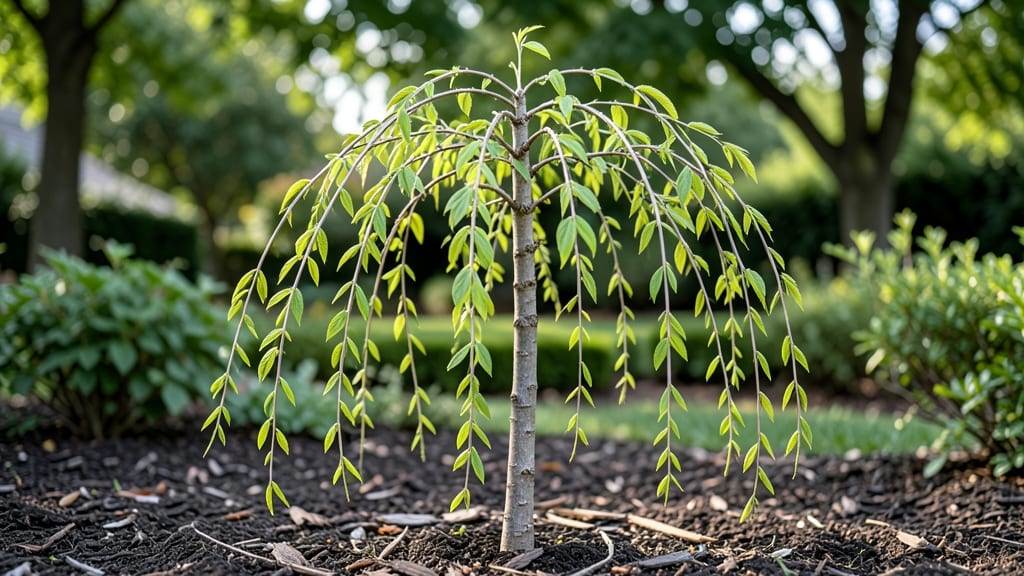
That weeping cherry tree sapling is a promise of soft pink cascades and whispering branches—if you prune it right. ✨ I’ve shaped mine into a living fountain, and the secret lies in timing, cuts, and patience.
Most people over-prune, turning delicate arcs into stiff sticks, but the right approach keeps those branches graceful and blooms coming year-round.
The best time to prune is late winter or early spring, just as buds swell but before new growth starts. You’ll need sharp pruners, rubbing alcohol for sterilizing cuts, and a clear day to see the tree’s natural shape.
Focus on removing dead wood first, then thin out crowded branches to let light reach the center—this prevents disease and encourages more blooms.
By summer, your tree will reward you with lush, arching branches heavy with blossoms, and the fragrance alone makes it worth the effort. The key is consistency: a little pruning each year keeps the tree manageable and beautiful, whether you’re shaping it as a standard or letting it grow naturally.
Works for both container-grown saplings and in-ground plantings, though larger trees need a ladder. Here’s how to keep it thriving for decades—no green thumb required, just attention to detail.
📚 In This Guide
- What you need
- Instructions
- Tips and common mistakes
- Wrapping up and next steps
What you need
- ● Weeping cherry tree sapling (1-3 years old, ideally 3–6 feet tall for beginner-friendly pruning)
- ● Pruning shears – Bypass pruners (sharp, 5–8" blades) for clean cuts on small branches (1/4"–3/4" diameter)
- ● Loppers – Bypass or anvil type (for thicker branches up to 2" diameter)
- ● Hand pruners – Anvil-style (for dead/diseased wood, but avoid on healthy branches)
- ● Disinfectant (70% isopropyl alcohol or 10% bleach solution to sterilize tools between cuts)
- ○ Pruning sealant (optional, for cuts larger than 1/2"; use a tree wound sealant with mycorrhizal fungi)
- ● Garden gloves (cut-resistant, nitrile-coated for grip)
- ● Safety glasses (to protect from debris)
- ● Ladder or step stool (if sapling is >6 feet tall; non-slip base recommended)
- ● Trash bag (for collecting pruned branches)
- ● Measuring tape (16-foot tape for assessing branch length)
- ● Pole saw (for high branches beyond ladder reach)
- ● Sharpie or marker (to mark branches for removal before cutting)
- ● Hose or spray bottle (to clean tools mid-pruning)
- ● Pruning saw (for stubborn, thick branches >2" diameter)
- ● Camera or sketchbook (to document the tree’s shape before/after pruning)
Instructions for pruning your weeping cherry sapling
Here's how to shape those delicate branches for stunning year-round beauty.
✂️ Step 1: Time Your Pruning for Best Results
Prune your weeping cherry sapling during its dormant season, which is late winter or early spring before buds swell. This timing ensures you're not removing next year's blooms—cherry trees set their flower buds in late summer, so pruning too late risks cutting off potential spring blossoms. If you must prune in summer, do it immediately after flowering to avoid sacrificing future blooms.
Real talk: I once pruned my weeping cherry in fall, and half the branches didn't bloom the next spring. The lesson? Wait until those buds are still tight and dormant. You'll see them as small, plump nubs along the branches—those are your flower buds, and they're precious.
🌿 Step 2: Remove Dead or Damaged Branches First
Start by inspecting your sapling for any branches that are dead, diseased, or crossing. Dead branches snap easily when bent—if a branch breaks with a dry, hollow sound, it's time to go. Diseased branches often have discolored bark, oozing sap, or fungal growth. Use clean, sharp pruners to make a clean cut just outside the branch collar (the swollen area where the branch meets the trunk).
Don't skip this step. I know it's tempting to jump straight to shaping, but diseased wood spreads quickly. You'll also notice crossing branches—where two limbs grow toward each other—creating weak points where they'll eventually rub and damage each other. Remove the smaller of the two branches to maintain the tree's natural balance.
☀️ Step 3: Thin Out Overcrowded Areas
Weeping cherries thrive on an open, airy structure. Look for areas where branches are growing too close together, blocking light and air circulation. Your goal is to create a spread-out canopy that allows sunlight to reach all parts of the tree. Aim to remove about 20-30% of the total branches—this might sound aggressive, but it encourages stronger growth.
Focus on removing branches that grow inward or downward. These are the ones that will compete with others for sunlight and nutrients. You'll see them as the thinner, weaker branches that don't align with the tree's natural weeping shape. Cut these back to a healthy outward-facing bud or branch. This ensures the remaining branches have room to grow gracefully.
✂️ Step 4: Shape for Elegance and Balance
Now it's time to refine the tree's shape. Weeping cherries naturally grow with a graceful, cascading form, but gentle pruning helps maintain that look. Start by identifying the main scaffold branches—these are the larger limbs that form the tree's structure. Leave these mostly intact, only trimming to remove any awkward growth or branches that disrupt the weeping effect.
For the smaller branches, aim to create a layered, tiered look. This means encouraging branches to grow at different heights rather than all at once. Cut back any branches that grow straight up—these will disrupt the tree's elegant, drooping silhouette. Instead, focus on branches that grow downward or at a slight angle. You'll see the tree's natural beauty emerge as you step back and admire your work.
🌱 Step 5: Clean Up and Monitor Growth
After pruning, clean your tools with rubbing alcohol to prevent the spread of disease. Remove all pruned branches and debris from the area around the tree. This keeps pests and pathogens from lingering. You can also apply a tree sealant to the cuts if they're larger than ½ inch in diameter—this helps prevent disease and excessive moisture loss.
Monitor your sapling over the next few weeks. You'll see new growth emerge from the buds you left behind, and the tree will begin to fill out more gracefully. If you notice any branches growing in directions you didn't intend, don't worry—you can always make minor adjustments in the following dormant season. The key is patience and consistency. Your weeping cherry will reward you with stunning blooms and elegant branches for years to come.
Tips & tricks for pruning your weeping cherry sapling
A few key insights that'll help you transform your sapling into a stunning, long-lived showpiece.
Timing is Everything: The dormant season window is narrow—late winter to early spring before buds swell. I check for those tiny, plump flower buds (they look like little green nubs) to confirm I'm pruning at the perfect time. If you miss this window, you risk cutting off next year's blooms, and nobody wants a bare tree come spring. For summer pruning, act immediately after flowering to minimize impact on future blossoms.
Tool Prep Matters: Sharp, clean pruners are non-negotiable. I sterilize mine with rubbing alcohol between cuts to prevent disease spread—especially important when dealing with saplings. For larger branches, use loppers with bypass blades (they make cleaner cuts than anvil pruners). Always cut just outside the branch collar to promote proper healing. Pro tip: Wipe your tools with a damp cloth after each use to remove sap and debris.
Visual Pruning Guide: When thinning branches in Step 3, imagine looking at your tree from above. You want to see sunlight streaming through the canopy, not blocked by dense growth. For the layered effect in Step 4, think of a waterfall—each tier should flow gracefully into the next. If you're unsure, take photos before and after pruning to track progress over seasons. This visual approach makes it easier to see when you've achieved that airy, elegant structure.
Post-Pruning Care: After cleaning up, don't forget to monitor your sapling's response. New growth should appear within 2-3 weeks from the buds you left behind. If you notice any branches growing in odd directions, make minor adjustments during the next dormant season. And here's what nobody tells you—water your tree deeply after pruning to help it recover. The roots need moisture to support all that new growth you're encouraging.
Pro Tips for Weeping Cherry Tree Sapling
- A few key insights that'll help you transform your sapling into a stunning, long-lived showpiece.
- Timing is Everything: The dormant season window is narrow—late winter to early spring before buds swell.
- Tool Prep Matters: Sharp, clean pruners are non-negotiable.
Frequently asked questions
When is the best time to prune a weeping cherry sapling?
The ideal window is late winter or early spring (just before buds swell), when the tree is dormant but about to wake up. Avoid pruning in fall—it can encourage new growth that won’t harden off before winter. For light shaping, you can also prune in summer after flowering, but keep cuts minimal to avoid stress.
How much can I trim off a young weeping cherry sapling?
For saplings (under 3 years old), limit pruning to no more than 20-25% of the foliage per year. Focus on removing dead, crossing, or upward-growing branches to maintain that signature weeping shape. Over-pruning can weaken the tree and reduce next year’s blossoms—think of it as a gentle haircut, not a buzz cut!
Should I seal pruning cuts on my weeping cherry?
Nope! Do not use pruning sealant on weeping cherries (or most fruit/nut trees). The tree’s natural bark will heal faster with fresh air exposure. Sealant can trap moisture, inviting disease. Just make clean cuts at a 45° angle about ¼ inch above a bud, and you’re golden.
Why isn’t my sapling blooming like mature weeping cherries?
Patience, gardener! Saplings typically take 3–5 years to produce significant blooms. Ensure it gets full sun (6+ hours/day) and well-draining soil. If it’s older and still sparse, check for over-fertilizing with nitrogen (which fuels leaves over flowers) or winter dieback (common in young trees). A balanced 10-10-10 fertilizer in early spring can help.
Can I grow a weeping cherry sapling in a container?
Yes, but with caveats! Weeping cherries have shallow roots and need plenty of space—aim for a 15+ gallon container with drainage holes. Use a light, airy potting mix (like 60% soil, 30% compost, 10% perlite). Repot every 2–3 years and move it outdoors in spring/summer. Note: Container-grown trees may bloom less vigorously than in-ground plants.
How do I protect my sapling from winter damage?
Weeping cherries are hardy to USDA Zones 5–8, but young saplings can suffer from winter burn or dry winds. Wrap the trunk with tree guard or burlap to shield it. In extreme cold (below 10°F), add a light layer of mulch (3–4 inches) around the base—but keep it 6 inches away from the trunk to prevent rot.
Wrapping up and next steps
Your weeping cherry tree sapling is now ready to thrive with its graceful branches and stunning blooms! Remember, pruning isn’t just about shaping—it’s about nurturing a healthier, more vibrant tree.
Whether you’re trimming for the first time or refining your skills, every careful cut brings you closer to a breathtaking garden centerpiece.
Ready to take the next step? Start small—observe your sapling’s growth over the seasons, and adjust your pruning routine as needed. Happy gardening! 🌸✂️