
Trees
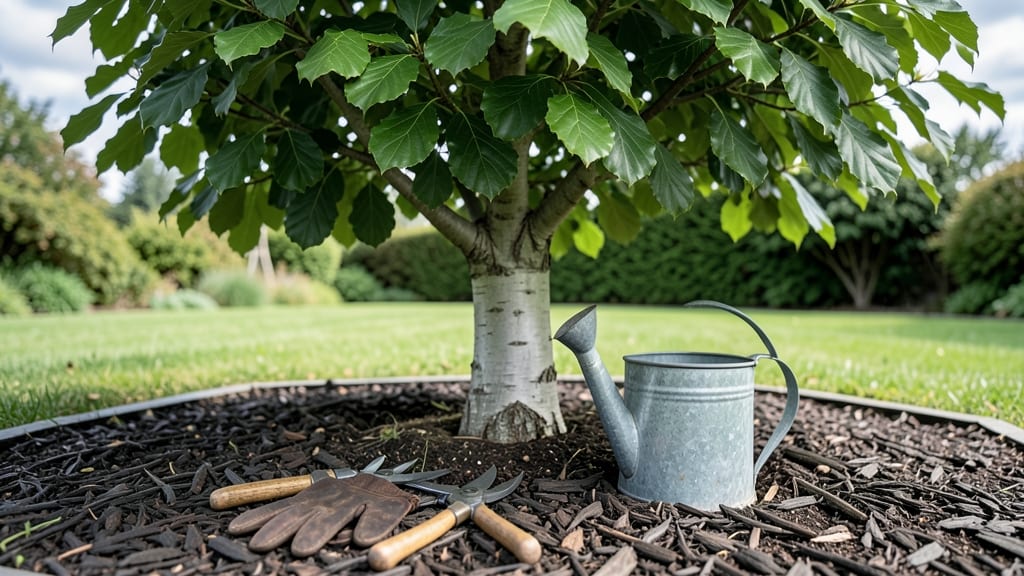
The care of your ornamental trees deserves year-round attention—not just when they're flowering or dropping leaves. 🌳 The secret to their health lies in understanding when to prune, how to feed them, and what pests to watch for, because skipping these steps means weaker growth, fewer blooms, and shorter lifespans.
Most people prune once in late winter, but the real magic happens when you adjust care by season. Spring brings new growth, summer demands extra water, fall is for cleanup, and winter is when you plan next year's shape.
I’ve learned the hard way that timing matters—my dogwood nearly died after a summer prune, but now it thrives with a simple seasonal schedule.
You’ll end up with trees that bloom more heavily, resist disease better, and stand stronger in storms. The key is balancing pruning cuts, soil health, and pest checks—no complicated tools or degrees in horticulture required. Just a sharp pair of shears and a calendar reminder.
Works for magnolias, maples, dogwoods, and even young fruit trees. Let’s get your trees looking their best all year—without the guesswork.
📚 In This Guide
- What you need
- Instructions
- Tips and common mistakes
- Wrapping up and next steps
What you need
- ● Pruning shears: Bypass pruners (sharp, 6–8" blades) for small branches (¼" thick). Quantity: 1 pair.
- ● Loppers: For medium branches (¾"–2" thick). Quantity: 1 pair (bypass or anvil type).
- ● Pruning saw: Curved-tooth saw for thick branches (2"–4" thick). Quantity: 1.
- ● Extension pole: Attachable to loppers/saws for high branches (6–12 ft). Quantity: 1.
- ● Gloves: Heavy-duty, cut-resistant gloves (gardening or pruning-specific). Quantity: 1 pair.
- ● Disinfectant: 70% isopropyl alcohol or bleach solution (1 part bleach to 9 parts water) to sterilize tools between cuts. Quantity: Small spray bottle or wipe.
- ○ Tree wound dressing: Optional but helpful for large cuts (e.g., Tanglefoot Tree Wound Pruning Sealer). Quantity: Small tub.
- ● Ladder: Sturdy, extendable ladder (rated for your height needs). Quantity: 1 (if trees exceed 8 ft).
- ● Tarp or drop cloth: To catch debris during cleanup. Quantity: 1–2 (depending on tree size).
- ● Trash bags: Heavy-duty bags for pruned branches. Quantity: 2–3.
- ● Hand saw: For stubborn, thick branches that pruners can’t handle.
- ● Pole pruner: Extendable tool for high branches (replaces the need for a ladder).
- ● Tree banding: Protective wrap for young trees (e.g., Tree Guard).
- ● Pruning sealant: For sealing cuts on sensitive tree species (e.g., maples, elms).
- ● Work boots: With ankle support for stability on uneven ground.
- ● Safety glasses: To protect eyes from debris.
Step-by-step seasonal pruning for ornamental trees
Here's my foolproof seasonal approach to keep your trees thriving year after year.
⏰ Step 1: Late Winter Pruning (Dormant Season)
This is the best time to shape your trees while they're still dormant but before new growth begins. Aim for mid-February to early March when temperatures are consistently above 20°F but before buds swell. I always prune on a dry day to prevent disease spread from wet tools or fresh cuts.
Start by removing dead, diseased, or crossing branches—these are easy to spot without foliage. Use clean, sharp pruners to make 45-degree cuts just outside the branch collar. Avoid cutting into the trunk or leaving stubs, as these invite rot. For larger branches, I make a second cut from below to prevent tearing bark.
☀️ Step 2: Spring Pruning (After Leaf-Out)
Once you see first signs of new growth (usually late April to May), focus on light shaping and thinning. This is when you can see the tree's natural form and adjust for balance. I avoid heavy pruning now—just remove suckers, water sprouts, and any branches that rub together.
Watch for epinasty (downward leaf curling) or yellowing leaves, which can signal over-pruning. If you notice weak growth, hold off on further cuts until summer. For flowering trees, never prune after buds form—you'll sacrifice next year's blooms.
✂️ Step 3: Summer Pruning (Minimal Maintenance)
Summer is for corrective pruning only—never more than 25% of the tree's canopy at once. The best time is mid-June to early July when the tree has fully leafed out. Focus on removing only the most problematic branches—those that block sunlight, grow inward, or are diseased.
I use a bypass pruner for small branches and a saw for larger ones, always cutting just outside the branch collar. After pruning, I apply pruning sealant to cuts wider than ½ inch to prevent disease entry. Never prune in late summer—new growth won't harden off before winter.
🌿 Step 4: Fall Cleanup (Post-Leaf Drop)
After leaves fall (October to November), remove all dead or weak branches and rake up debris. This prevents pests and diseases from overwintering. I also thin out crowded branches to improve airflow, which is critical for fungal resistance.
Stop pruning by mid-November—any cuts made after that risk exposing fresh wood to winter damage. If you must prune late, use wound dressing on all cuts to protect against cold snaps. This is also the time to sharpen tools and sterilize them with rubbing alcohol for next year.
Tips & tricks for perfect ornamental tree pruning
A few simple strategies that'll help you prune like a pro while keeping your trees healthy and beautiful.
Timing is Everything: Those mid-February to early March windows for late winter pruning are non-negotiable for most trees. If you miss it, wait until after leaf-out in spring—but never prune flowering trees after buds form, or you'll lose next year's blooms. I once pruned my magnolia too late and spent the whole summer admiring its bare branches instead of flowers. The difference between a thriving tree and a struggling one often comes down to these timing windows.
Tool Prep Prevents Problems: Always sterilize your pruners with rubbing alcohol between cuts, especially when working with diseased branches. I keep a small bottle of 70% isopropyl alcohol in my tool bag and wipe down blades after every 3-4 cuts. Sharp tools make clean cuts that heal faster—dull blades tear bark and invite infections. For larger branches, use a bypass pruner for clean cuts and a saw for branches wider than ½ inch, then seal those cuts immediately with pruning sealant.
Seasonal Focus Matters: Summer pruning should never exceed 25% of the canopy at once—this is corrective-only season. I mark my calendar for mid-June to early July because that's when trees have fully leafed out and can handle minor adjustments. Never prune in late summer; new growth won't harden off before winter, leaving your tree vulnerable to cold damage. The key is minimal intervention during this growth phase.
Visual Cues Save Time: Learn to spot the signs of over-pruning: epinasty (downward leaf curling) or yellowing leaves appear when you've removed too much foliage. In spring, I look for these red flags and hold off on further cuts until summer. For flowering trees, I make a habit of checking bloom schedules—if buds are forming, it's too late to prune that season. The tree's natural signals tell you exactly when to stop.
Pro Tips for Ornamental Tree Care
- A few simple strategies that'll help you prune like a pro while keeping your trees healthy and beautiful.
- Timing is Everything: Those mid-February to early March windows for late winter pruning are non-negotiable for most trees.
- Tool Prep Prevents Problems: Always sterilize your pruners with rubbing alcohol between cuts, especially when working with diseased branches.
Frequently asked questions
Got questions about keeping your ornamental trees thriving?
Here are answers to the most common concerns—from pruning timing to troubleshooting—so you can care for your trees like a pro!
When is the best time to prune ornamental trees?
The ideal time depends on the tree type! For most ornamental trees, late winter or early spring (just before buds swell) is best. Summer pruning can encourage new growth, while fall pruning risks stressing the tree before winter. Always avoid heavy pruning in late fall or winter unless dealing with dead/diseased branches. Pro tip: Research your specific tree—some, like maples, bleed sap if pruned too early!
Can I prune ornamental trees in summer?
Yes, but with caution! Light summer pruning (removing only dead, diseased, or crossing branches) is safe. Heavy pruning in summer can stress the tree, inviting pests or disease. If you must prune extensively, focus on shaping or thinning to improve airflow. Water deeply afterward to help recovery. Pro tip: Early morning is the best time to prune in summer—cooler temps reduce stress!
What if my ornamental tree has dead branches? Should I prune them now?
Dead or dying branches should be removed immediately—they drain energy from the tree and can harbor pests. Use clean, sharp pruners to cut back to healthy wood (look for green tissue inside the branch). Disinfect tools between cuts to prevent spreading disease. Pro tip: If the branch is large, cut in stages to avoid tearing the bark!
How do I know if my ornamental tree is too hot or cold for pruning?
Prune when temperatures are mild—avoid extreme heat (above 90°F) or freezing conditions. Ideal temps are 50–75°F. If your area has sudden temperature swings, wait for a stable forecast. Watch for signs of stress like wilting leaves or slowed growth after pruning, which may indicate it was done at the wrong time. Pro tip: Mulch and water well after pruning to help trees recover!
Are there alternatives to traditional pruning for ornamental trees?
Yes! Consider topiary shaping (for structured designs), pollarding (cutting back to a stub for regrowth), or coppicing (cyclical cutting for multi-stemmed growth). For minimalists, selective thinning (removing only crowded branches) works well. Always research the method for your tree’s species—some thrive with heavy cuts, while others need gentler approaches. Pro tip: Consult an arborist if unsure—your tree’s health is worth the expertise!
Wrapping up and next steps
Caring for your ornamental trees doesn’t have to be overwhelming—just follow the seasonal pruning timeline and a few basic best practices to keep them thriving year-round! 🌳 Whether you’re trimming for shape, health, or safety, consistency is key.
Now that you’re armed with the right tools, techniques, and timing, take action—start small, observe your trees, and adjust as needed. Your green thumb (and your trees!) will thank you!
🌟 Ready to Get Started?
Pick a season to begin—spring or early summer is ideal for most ornamental trees. Grab your pruners, put on some gloves, and enjoy the process! With patience and care, your trees will reward you with stunning blooms, lush foliage, and years of beauty. Happy pruning! ✂️💚