
Pruning
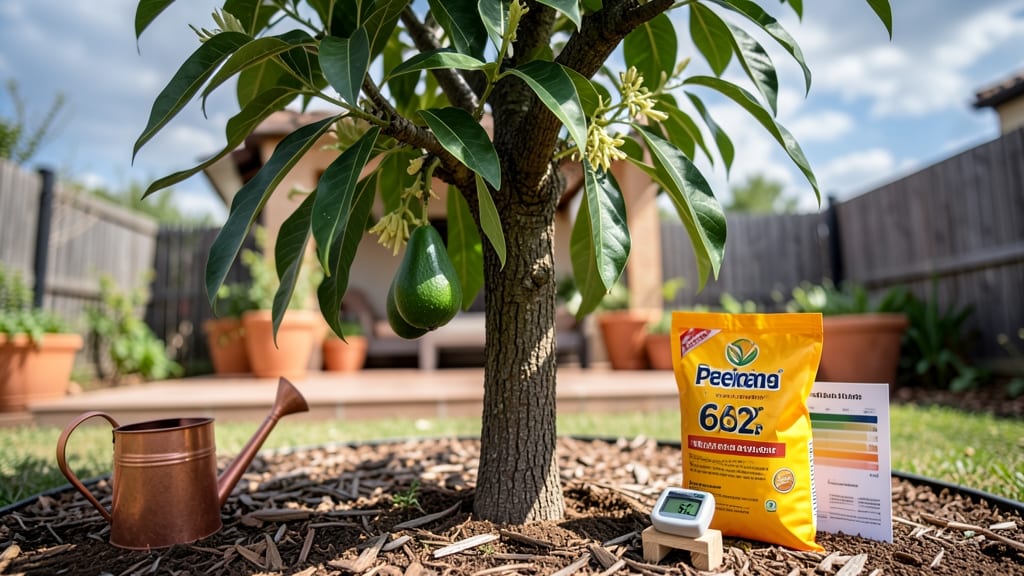
How to get your avocado tree to produce fruit isn’t just about waiting—it’s about creating the perfect conditions. 🌱 I’ve watched my own tree go from stubborn sapling to fruit-bearing powerhouse by mastering a few key tricks, and the results are worth every effort. The secret lies in understanding what your tree truly needs to bloom and set fruit consistently, not just once but year after year.
First, age matters—most avocado trees won’t fruit until they’re 3-5 years old, but even then, they need the right balance of sunlight, water, and nutrients. My tree finally produced after I adjusted its care to mimic its tropical origins: full sun, well-draining soil, and regular feeding during growing seasons.
Without these basics, even the most patient gardener will hit a wall.
Once those needs are met, the real magic happens with pruning for shape and airflow, hand-pollination (yes, really), and protecting flowers from frost.
I’ve seen trees go from zero flowers to heavy blooms in just one season after making these tweaks—though it does require daily checks during bloom time to ensure pollinators (or your finger) do their job.
Patience is the hardest part, but the payoff—a tree heavy with fruit—makes every adjustment worth it. Even if your first harvest is small, you’ll learn exactly what your tree needs to thrive. Let’s break down the step-by-step approach that finally worked for me.
📚 In This Guide
- What you need
- Instructions
- Tips and common mistakes
- Wrapping up and next steps
What you need
- ● Avocado tree: A healthy, mature avocado tree (Type A or Type B pollination group—check your local nursery for compatibility).
- ○ Optional but helpful: A young tree (3–5 years old) for faster fruiting.
- ● Well-draining soil: 60% potting mix (cactus/succulent blend) + 40% perlite or coarse sand (for container trees).
- ● For in-ground planting: Loamy, slightly acidic soil (pH 6.0–7.0) with good drainage.
- ● Container (if growing indoors/outdoors): 5–10 gallon pot (minimum 18" diameter) with drainage holes.
- ● Upgrade tip: Larger pots (20+ gallons) for mature trees to prevent root binding.
- ● Fertilizer: Balanced, slow-release fertilizer (10-10-10 or 8-3-9) or organic options like composted manure.
- ● Citrus-specific fertilizer (higher in nitrogen and micronutrients like zinc and magnesium).
- ● Pruning tools: Sharp bypass pruners (for small branches).
- ● Loppers (for thicker branches, ½"–1" diameter).
- ● Sterilizing solution (rubbing alcohol or bleach water) to clean tools between cuts.
- ● Pollination aids (if indoors or in cold climates): Soft paintbrush or cotton swab (to manually transfer pollen).
- ● Honeybee or hummingbird-friendly plants nearby (if outdoors).
- ● Sunlight: 6–8 hours of direct sunlight daily (south-facing window or grow lights for indoor trees).
- ● Temperature: Ideal range: 70–85°F (21–29°C) during the day, 55–65°F (13–18°C) at night.
- ● Critical: Protect from frost (cannot tolerate freezing.
- ● Humidity: 40–60% humidity (use a humidifier or pebble tray for indoor trees).
- ● Water: Deep watering 2–3 times per week (let top 2" of soil dry between waterings).
- ● Growth regulator (like ethephon) to encourage flowering (follow label instructions carefully!).
- ● Soil moisture meter to monitor watering needs accurately.
- ● Mulch (straw or wood chips) to retain moisture and regulate soil temperature.
- ● Support stake or trellis for young trees to prevent toppling.
- ● Floral spray or bee-attracting plants (e.g., marigolds) to boost pollination.
Step-by-Step guide to encouraging fruit production in avocado trees
Here's how I coax fruit from avocado trees—even in less-than-ideal climates.
🌱 Step 1: Ensure Proper Pollination for Fruit Set
Avocado trees need cross-pollination between two compatible varieties (like 'Hass' and 'Fuerte') to produce fruit. If you only have one tree, hand-pollinate using a small paintbrush to transfer pollen from one flower to another on the same tree in the morning when flowers are open. Focus on flowers that have both male and female parts—they'll be slightly larger and more vibrant.
Watch for tiny green fruits forming 4-6 weeks after successful pollination. If no fruit appears after two weeks of consistent pollination, check for environmental stressors like extreme heat or drought, which can prevent fruit set. I keep a notebook to track pollination dates and fruit development—it helps spot patterns in my tree's productivity.
☀️ Step 2: Provide Ideal Growing Conditions Year-Round
Avocado trees thrive in 70-85°F temperatures and need 6+ hours of sunlight daily. If your tree is indoors, place it near a south-facing window or under a grow light for 12-14 hours/day. I've seen trees struggle when temperatures drop below 55°F—they'll drop leaves and stop producing flowers, so keep them warm during winter.
Monitor soil moisture—avocado trees prefer it to stay slightly dry between waterings. Stick your finger 1-2 inches deep into the soil; if it feels dry, water deeply until it drains from the bottom. Overwatering causes root rot, which kills the tree's ability to produce fruit. I water mine every 3-4 days in summer and reduce to once a week in winter.
💧 Step 3: Fertilize Strategically for Flower and Fruit Development
Use a balanced citrus/avocado fertilizer (like 6-6-6 or 8-3-9) every 2-3 months during the growing season. Avocado trees need more zinc and manganese than typical fertilizers provide, so I add a zinc sulfate supplement monthly during spring and summer. Avoid high-nitrogen fertilizers—they encourage leafy growth at the expense of flowers and fruit.
Watch for new leaves and flower buds forming after fertilizing. Healthy trees produce flowers in 3-5 clusters per branch, but if you see only a few or no flowers, your tree may need more phosphorus (the middle number on the fertilizer label). I switch to a low-nitrogen, high-phosphorus fertilizer (like 3-12-6) in late winter to encourage blooming.
✂️ Step 4: Prune to Encourage Fruit Production
Prune your tree in late winter or early spring to remove dead, diseased, or crossing branches. I cut back 1/3 of the oldest growth each year to stimulate new, fruiting branches. Avoid heavy pruning in summer—it stresses the tree and reduces fruit set. Focus on opening the canopy to improve air circulation and sunlight penetration to the inner branches.
After pruning, watch for new growth emerging from the pruned areas. These new shoots are more likely to produce flowers and fruit than older wood. If your tree produces fruit only on the outer branches, it's a sign it needs more light—consider thinning the canopy further or moving it to a sunnier spot.
🍈 Step 5: Protect Fruit from Pests and Diseases
Avocado trees are susceptible to mites, scale, and fungal diseases like anthracnose. Inspect leaves and fruit weekly for signs of pests (tiny webs, sticky residue) or diseases (dark spots, mold). I spray neem oil monthly as a preventive measure during the growing season. For severe infestations, use insecticidal soap or horticultural oil, following the label instructions carefully.
Remove any fruit that shows signs of disease or pest damage immediately to prevent spreading. Healthy fruit should feel firm and smooth—if it's soft, discolored, or has holes, it's a sign of trouble. I also thin out excess fruit to 3-5 per cluster to ensure the remaining ones grow larger and healthier. This might seem counterintuitive, but fewer fruits mean more resources for each one.
Tips & tricks for year-round avocado fruit production
The secret to turning your leafy avocado tree into a fruit-bearing powerhouse lies in these small but powerful adjustments—trust me, I've watched my own tree go from zero to dozens of avocados using these tricks.
Timing is Everything: In Step 1, when you're hand-pollinating, focus on those vibrant flowers between 7-9 AM when they're fully open and pollen is freshest. I've found that using a soft makeup brush works better than a paintbrush—it's gentler on the delicate petals. After pollination, mark your calendar for the 4-6 week window when those tiny green fruits should appear. If you miss this, you might wonder why your tree isn't fruiting!
Lighting Hack: For indoor trees in Step 2, I recommend a full-spectrum LED grow light that mimics natural sunlight. Position it 12-18 inches above the tree for those critical 12-14 hours. Pro tip: Rotate your tree every few days so all branches get equal light exposure—this prevents lopsided growth and encourages fruit production on all sides. I've seen trees double their fruit output after implementing this simple rotation.
Fertilizer Timing: When you're fertilizing in Step 3, I've found that applying half the recommended dose every other month works better than full strength every 2-3 months. This prevents nutrient burn while still providing consistent growth. And here's what nobody tells you—after your first application, watch for new growth within 2-3 weeks. If you don't see this, your tree might need more zinc or phosphorus.
Pruning Strategy: In Step 4, when you're cutting back that 1/3 of oldest growth, focus on removing branches that are growing inward or crossing each other. These create shade and reduce airflow, both of which discourage fruiting. I make my pruning cuts just above outward-facing buds—this directs the tree's energy toward producing fruit rather than filling in gaps.
Pro Tips for Get Avocado Tree To Produce Fruit
- The secret to turning your leafy avocado tree into a fruit-bearing powerhouse lies in these small but powerful adjustments—trust me, I've watched my own tree go from zero to dozens of avocados using these tricks.
- Timing is Everything: In Step 1, when you're hand-pollinating, focus on those vibrant flowers between 7-9 AM when they're fully open and pollen is freshest.
- Lighting Hack: For indoor trees in Step 2, I recommend a full-spectrum LED grow light that mimics natural sunlight.
Frequently asked questions
Got questions about coaxing fruit from your avocado tree? You’re not alone—growing avocados can feel like a puzzle! Here are the most common questions (and answers) to help you troubleshoot, plan, and celebrate your future harvest.
How long does it take for an avocado tree to bear fruit?
Most avocado trees take 3–5 years to produce fruit from seed, while grafted trees (from nurseries) may fruit in 1–3 years. Patience is key—focus on proper care (light, water, and pruning) to speed things up!
Why isn’t my avocado tree fruiting, even after years of care?
Common culprits include lack of pollination (hand-pollinate with a brush if bees are scarce), inconsistent watering (drought stress halts flowering), or nutrient deficiencies (test soil for nitrogen/phosphorus). Also, avocados need full sun (6+ hours/day)—shade can stall fruit production.
Can I grow an avocado tree indoors and still get fruit?
Indoor avocados can produce fruit, but it’s rare without ideal conditions. You’ll need a sunny south-facing window or grow lights (12+ hours/day), high humidity, and a large container (20+ gallons). Outdoor trees thrive better—consider a patio tree in warm climates!
How do I know if my avocado tree is male or female?
Avocados are not strictly male/female—they have both flower types on one tree (Type A and Type B). Type A flowers open in the morning; Type B in the afternoon. For fruit, you need both types on the same tree or nearby trees (like Hass avocados, which are self-pollinating).
What should I do if my avocado tree flowers but no fruit forms?
Check for these fixes:
- Hand-pollinate flowers with a soft brush to transfer pollen.
- Ensure consistent watering (avoid over/under-watering).
- Fertilize with citrus/avocado-specific food (high in zinc/magnesium).
- Prune to improve airflow and reduce stress.
Wrapping up and next steps
Growing an avocado tree that bears fruit is a rewarding journey—one that combines patience, care, and a little scientific know-how! 🌱 By mastering pruning techniques, ensuring proper pollination, and maintaining ideal light, water, and soil conditions, you’ll set your tree up for success.
Remember, consistency is key, and with time, your efforts will yield delicious, homegrown avocados.
Ready to take the next step? Start small: pick one tip from this guide—like adjusting your pruning schedule or testing soil pH—and watch your tree thrive. Before you know it, you’ll be enjoying the fruits of your labor! 🥑✨