
Propagation
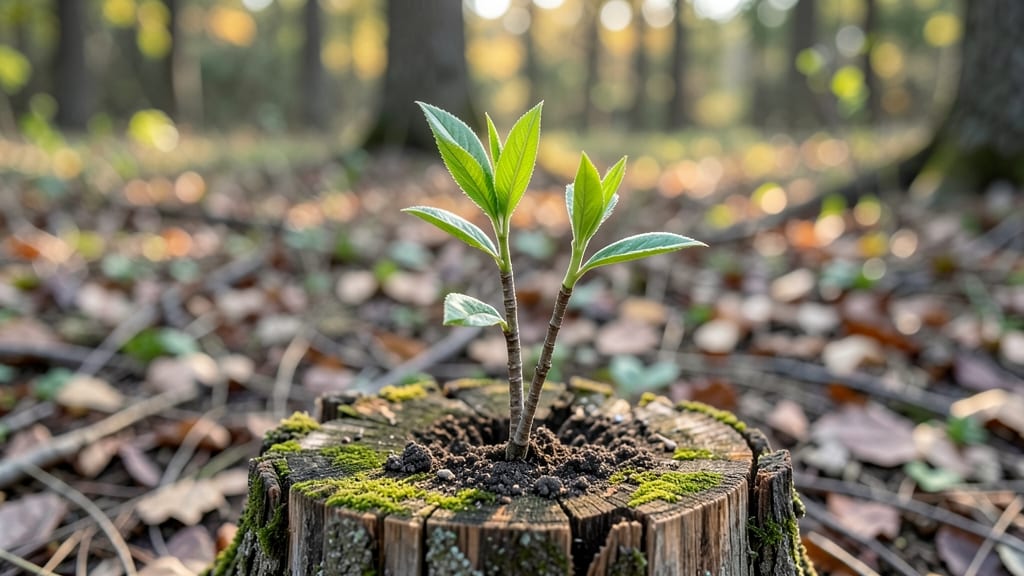
That stubborn sprout at your tree’s base isn’t a sign of failure—it’s a survival trick. 🌱 Whether it’s a stubborn root sucker or a genetic quirk, understanding why it happens lets you decide: prune it away, nurture it, or let the tree decide its own fate.
My old oak’s base sprouts every spring, but I’ve learned which to encourage and which to snip for a cleaner look.
The reason behind those shoots? Trees grow from their base to spread roots, replace damaged limbs, or even reproduce. Some varieties like willows and poplars do it naturally, while others react to stress or pruning.
The key is watching: if the sprout’s healthy and helps the tree, leave it be. If it’s weak or crowding roots, it’s time to act—simple tools and timing make all the difference.
You’ll end up with a tree that thrives and looks intentional—no more scraggly bases or wasted energy. A quick pruning in late winter (before new growth starts) keeps things tidy, while encouraging strong shoots can even thicken your tree’s trunk over time.
The best part? No chemicals needed—just sharp shears and a little patience.
Works for fruit trees, shade trees, or even those pesky volunteer saplings popping up where you didn’t plant them. Here’s how to tell friend from foe and when to step in—without stressing the tree (or yourself).
Rooted In Nature’s Tricks
When you spot a tree sprouting from its base, it’s often nature’s way of telling you something important—whether it’s a sign of resilience, a hidden problem, or even a propagation opportunity.
Understanding the science behind this phenomenon helps you decide whether to nurture it or address an underlying issue. Here’s why it happens, broken down into clear causes and actionable insights.
Trees are masters of survival, and when the trunk or roots sustain damage—from pruning, storms, or pests—they trigger a defense mechanism called sprouting. This is how trees heal themselves.
- How it works: The tree’s vascular system detects damage and releases hormones (like auxin) that stimulate dormant buds near the base to wake up. These buds grow into new shoots to compensate for lost foliage or root function.
- Examples: A pruned oak or a maple with storm-damaged limbs often sends up vigorous sprouts from the base within weeks.
- Actionable tip: If the original tree is healthy but just damaged, these sprouts can be pruned back to redirect energy—but if the tree is struggling, the sprouts may be its last lifeline. 💡 Monitor for 3–6 months to see if the main trunk recovers.
Many trees (especially fruit trees like apple, cherry, or citrus) have dormant buds hidden in their bark or root collar. These buds lie in wait for the right conditions—like increased sunlight, warmth, or moisture—to burst into growth.
- Why it happens:
- Exposed root collar: If mulch or soil erodes, buds near the base get sunlight and sprout.
- Over-pruning: Heavy trimming can stress the tree, causing it to send up new growth from the base.
- Age-related decline: Older trees may prioritize producing new shoots over sustaining the main trunk.
- Actionable tip: If the sprouts are unwanted, prune them at the base with sterilized shears to prevent disease. But if the tree is young or recovering, these sprouts might be its future! ✨ Consider grafting if you’re propagating a desirable variety.
When roots are compromised—by compaction, girdling roots, or poor drainage—the tree’s survival instincts kick in. Sprouting from the base is a last-ditch effort to access water and nutrients.
| Cause | Signs | What to Do |
|---|---|---|
| Girdling roots | Sprouts appear in a ring around the trunk; soil may look "lifted" near the base. | Carefully excavate and prune constricting roots (use a saw or knife). Replant with 3–4 inches of organic mulch (not touching the trunk). |
| Compacted soil | Slow growth, yellowing leaves, and sprouts emerging from a hard, dense soil layer. | Loosen soil with a garden fork or add compost to improve aeration. Avoid heavy foot traffic near the base. |
| Fungal root rot | Mushrooms at the base, soft/wet roots, and sprouts as a desperate regrowth attempt. | Remove infected soil and treat with copper fungicide. In severe cases, the tree may need removal to save nearby plants. |
💡 Pro Tip: If root stress is the culprit, water deeply but infrequently (1–2 inches per week) to encourage deep root growth rather than shallow, stressed sprouts.
Sometimes, a tree sprouting from its base isn’t a problem—it’s a free propagation success! Many trees (like willows, poplars, or even citrus) naturally produce basal shoots as a form of clonal reproduction.
- How it works: The tree duplicates itself via roots or the root collar, creating genetically identical offspring. This is common in:
- Fruit trees (e.g., peach, plum)
- Ornamental trees (e.g., dogwood, crepe myrtle)
- Fast-growing species (e.g., bamboo, willow)
- Actionable tip:
- If you want more trees: Dig up the sprout and replant it 6–12 inches away from the parent. It’ll establish its own root system in 1–2 years.
- If it’s unwanted: Cut it at the base and treat the wound with pruning sealant to prevent disease.
✨ Bonus: Some gardeners intentionally encourage basal sprouts to create a natural hedge or thicket. For example, apple trees often produce "suckers" that can be trained into new trees.
Now that you know the science, you can decide whether to celebrate, prune, or investigate that unexpected growth. The key is observing the tree’s overall health—if it’s thriving, the sprouts might be a gift. If it’s struggling, they could be a cry for help. 🌿
Revive Your Plant’s Base Growth
Now that you know why your tree is sprouting from the base (or struggling to thrive), it’s time to take action! The good news? Most of these issues have simple, effective fixes—no green thumb required.
Below, we’ll match common causes to step-by-step solutions, plus pro tips to keep your plant healthy long-term.
Fix: Adjust your watering routine and improve airflow.
- 🔥 Let the Soil Dry Out
- Stick your finger 1–2 inches into the soil. If it’s damp, wait before watering again.
- Water only when the top layer feels dry to the touch.
- 🍳 Upgrade Your Pot
- If your pot lacks drainage holes, transfer your plant to one with holes (or drill them yourself).
- Use a well-draining potting mix (avoid heavy garden soil).
- 👨🍳 Check for Root Rot
- Gently remove the plant and inspect the roots. Mushy, black roots? Trim the affected ones with sterilized scissors.
- Repot in fresh, dry soil and hold off on watering for 3–5 days to let roots recover.
💡 Pro Tip: If your tree is in a decorative (non-drainage) pot, water sparingly and consider a cache pot with gravel underneath to catch excess moisture.
Fix: Move your plant to a brighter spot (but avoid harsh sunburn).
- 🌡️ Find the Sweet Spot
- Most trees need bright, indirect light (e.g., near an east or north-facing window).
- If leaves are stretching or yellowing, it’s not getting enough light.
- ✨ Rotate Your Plant Weekly
- Turn the pot ¼ turn every 7 days so all sides get even light exposure.
- 🎯 Use Grow Lights (If Needed)
- For low-light areas, a basic LED grow light (12–16 hours/day) can work wonders.
💡 Pro Tip: If your tree is outdoors, acclimate it gradually to full sun to avoid shock.
Fix: Feed your plant and refresh its growing medium.
- 📊 Test Your Soil
- Use a simple soil pH test kit (ideal range: 6.0–7.0 for most trees).
- If soil is compacted or depleted, repot with fresh, nutrient-rich mix.
- 💪 Fertilize Smartly
- Use a balanced liquid fertilizer (e.g., 10-10-10) every 4–6 weeks during growing season (spring–fall).
- Over-fertilizing? Flush the soil with water to avoid salt buildup.
- 🥗 Add Organic Boosters
- Mix in compost, worm castings, or slow-release granules for a nutrient boost.
💡 Pro Tip: If your tree is newly repotted, wait 4–6 weeks before fertilizing to avoid root burn.
Fix: Identify the problem and treat it early.
- 🔪 Inspect for Pests
- Spider mites? Wipe leaves with neem oil or rinse with water.
- Aphids/scale? Spray with soapy water (1 tsp mild soap per quart of water).
- Fungus (powdery mildew)? Apply baking soda spray (1 tsp baking soda + 1 quart water + drop of soap).
- 🌿 Isolate Infested Plants
- Keep infected plants away from others until fully treated.
- 🌡️ Adjust Humidity
- Most trees prefer 40–60% humidity. Use a humidifier or pebble tray if air is dry.
💡 Pro Tip: Prevent future issues by quarantining new plants for 2 weeks before introducing them to your collection.
Want to avoid future base sprouting?
Follow these easy maintenance habits: - Water wisely: Less is often more—dry soil > soggy soil. - Monitor light: Rotate plants and adjust placement seasonally. - Repot when needed: Every 1–2 years (or when roots circle the pot). - Prune strategically: Trim dead or crowded base growth to encourage stronger stems. - Clean tools: Sterilize pruners with rubbing alcohol to prevent disease spread.
By tackling the root cause (pun intended!) and sticking to these fixes, your tree should bounce back stronger—and those unsightly base sprouts will give way to healthier, fuller growth. Happy gardening! 🌿✨
Frequently asked questions
Why do some trees sprout more aggressively from their base than others?
Genetics play a huge role—species like willows, poplars, and fruit trees (apples, cherries) naturally produce more vigorous basal sprouts for propagation. Stress also triggers it: heavy pruning, root damage, or poor soil can cause even non-sucker-prone trees to send up shoots as a survival tactic. Observe your tree’s overall health first before deciding whether to prune or encourage the growth.
Is it safe to remove all base sprouts, or should I leave some?
Never remove all sprouts at once—especially if the main tree is struggling. Keep 1-2 of the healthiest shoots (if they’re strong and upright) to help the tree recover. For established, healthy trees, you can prune back unwanted sprouts to about 6 inches from the base. Always use sterilized tools and make clean cuts to prevent disease.
Can I turn those base sprouts into new trees?
Many gardeners propagate new trees from healthy base sprouts. Dig up the sprout carefully (keeping some root attached) and replant it 6-12 inches away from the parent tree. Water regularly for the first 2 months to help it establish. This works especially well with fruit trees, dogwoods, and crepe myrtles—just be patient as it may take 1-2 years to fully root.
What’s the best time of year to prune base sprouts?
Late winter or early spring (just before new growth starts) is ideal. This gives the tree time to heal before summer stress. Avoid pruning in fall when the tree is preparing for dormancy, or during extreme heat. For tropical trees, you can prune year-round—but always after a rain to reduce stress on the plant.
Could base sprouts be a sign of serious tree disease?
Not always, but if you notice other symptoms like oozing sap, mushrooms at the base, or sudden leaf drop, it could indicate root rot or fungal infection. Check for soft/wet roots or unusual growth patterns. In these cases, prune affected sprouts and treat with copper fungicide. If the tree is severely compromised, consult an arborist—the sprouts might be its last attempt to survive.