
Pruning
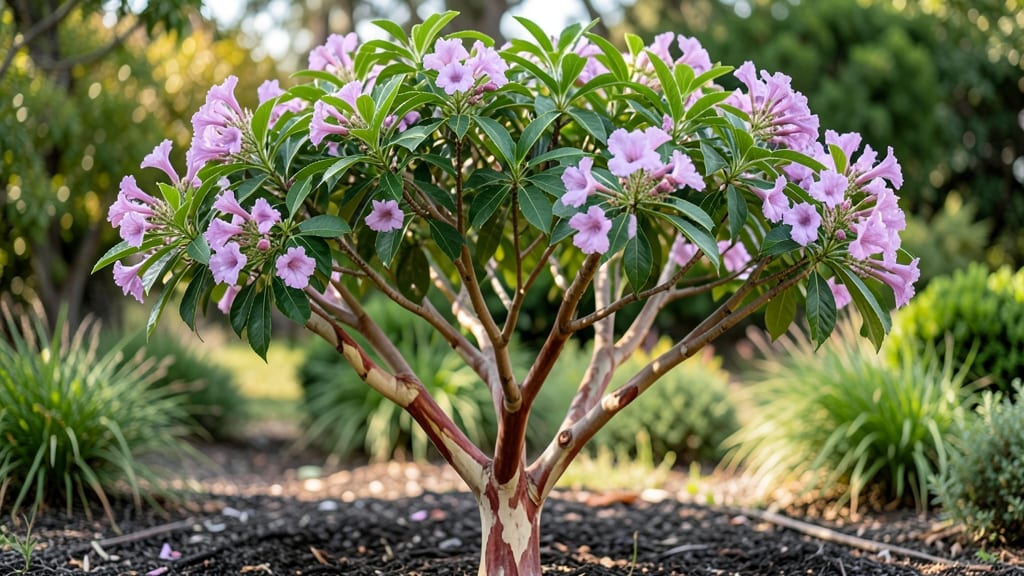
That tree that looks like a crepe myrtle in your yard—with its peeling bark and clusters of summer blooms—might actually be an imposter, and pruning it wrong could ruin its perfect shape. 🌳 I’ve spent years comparing crepe myrtles to their look-alikes (like Bradford pears or lilacs), and the differences matter more than you think.
The real giveaway is the bark: crepe myrtles shed in long, papery strips, while look-alikes often have smooth or rougher bark. Leaf shape also tells the story—crepe myrtle leaves are narrow and pointed, while lilacs have rounded, fuzzy edges.
Once you spot these clues, pruning becomes straightforward: cut back leggy branches to encourage bushier growth and open up the center for airflow. A properly pruned crepe myrtle (or its look-alike) will reward you with bold, layered branches and a canopy that catches the light just right.
The key is timing: prune in late winter or early spring before new growth starts, and avoid "crepe murder"—the brutal topping that turns trees into stumps. If you’re still unsure, snap a photo and compare it to local plant databases like iNaturalist or ask your county extension office.
They’ll confirm whether you’ve got a crepe myrtle or something else—and how to shape it perfectly for your climate.
📚 In This Guide
- What you need
- Instructions
- Tips and common mistakes
- Wrapping up and next steps
What you need
- ● Pruning shears: Bypass-style (sharp, 6–8" blades) for clean cuts on small branches.
- ● Loppers: Long-handled (18–24") for thicker branches (½"–1.5" diameter).
- ● Pruning saw: Curved-tooth for branches >1.5" thick (avoid tearing bark!).
- ● Ladder: Sturdy, extendable (16–24' height, depending on tree size). Safety tip: Use a ladder stabilizer or have a helper!
- ● Disposable gloves: Heavy-duty (nitrile-coated) to protect from thorns and sap.
- ● Rubbing alcohol (70%+): Small bottle for sterilizing tools between cuts (prevents disease spread).
- ● Heavy-duty trash bags: 2–3 large bags (20–30 gallons) for debris.
- ○ Pruning sealant: Optional but helpful (latex-based) for sealing large cuts (>½" diameter).
- ● Extension pole pruners: For high branches without a ladder (10–12' reach).
- ● Tree paint: Non-toxic (e.g., copper-based) to protect exposed wood on young trees.
- ● Work lights: LED clip-on for early morning/late afternoon pruning.
- ● First-aid kit: Basic (bandages, antiseptic wipes) for minor scrapes.
- ● Camera or phone: To snap before/after pics for tracking progress!
Step-by-Step guide to pruning a crepe myrtle-like tree for perfect shape
Here’s how I transform wild-looking trees into stunning, sculpted specimens—no green thumb required.
✂️ Step 1: Identify the Tree and Gather Tools
First, confirm it’s a crepe myrtle (or similar) by checking for bark that peels in papery layers and summer blooms in clusters. Grab your tools: a pair of clean, sharp pruning shears for small branches, loppers for thicker stems, and a small pruning saw for anything wider than your wrist. I always disinfect blades with rubbing alcohol—this prevents spreading disease between cuts.
Wear gloves to protect your hands from thorns (crepe myrtles often have them) and dress in long sleeves. The goal here is to see the tree’s natural structure—step back often to visualize the final shape. If you’re unsure about the species, snap a photo and compare it to online guides before cutting.
✂️ Step 2: Remove Dead or Crossing Branches First
Start by eliminating any dead wood—it’s easy to spot as dry, brittle branches that snap when bent. Next, cut out branches that cross or rub against each other. These create wounds that invite pests and disease. I make my cuts just outside the branch collar (the swollen area where the branch meets the trunk) at a 45-degree angle.
Watch for water sprouts—those fast-growing, vertical shoots that pop up everywhere. These steal energy from the tree and ruin its shape. Snip them at the base. If a branch is larger than your loppers can handle, use the pruning saw, but make sure to cut cleanly to avoid tearing the bark.
✂️ Step 3: Shape the Canopy for Balance and Airflow
Step back and imagine the tree as a vase—wide at the bottom, narrower at the top. Start thinning from the inside of the canopy to improve airflow and sunlight penetration. Remove branches that grow inward or downward, cutting them back to a lateral bud or branch. This opens up the center and prevents a dense, shadowy mess.
For height control, limit vertical growth by pruning the topmost branches. Never cut the very top leader (the central stem)—this can kill the tree. Instead, focus on side branches to encourage a fuller, bushier shape. If your tree has become too tall, you can gradually reduce height over 2-3 years to avoid shocking it.
⏰ Step 4: Prune for Flowering and Seasonal Timing
Crepe myrtles bloom on new wood, so the best time to prune is late winter or early spring, just before buds swell. This encourages vigorous new growth and abundant summer flowers. Avoid pruning in fall or winter—you’ll cut off next year’s blooms before they even form.
If you missed the ideal window, don’t panic. Light pruning in early summer is better than none at all, but avoid heavy cuts after June 1st. You’ll see new growth spurt within 2-3 weeks of pruning—this is your signal that the tree is responding well. Water deeply after pruning to help it recover.
🌿 Step 5: Clean Up and Monitor for Recovery
Rake up all the debris from your cuts—leaving branches on the ground attracts pests and can harbor diseases. Dispose of them in the trash, not the compost bin (pruned wood can harbor fungal spores). Give the tree a final inspection: check for any missed dead branches or uneven growth.
Over the next 4-6 weeks, watch for new growth at the pruned areas. If you see yellowing leaves or wilting, you may have cut too aggressively. In that case, hold off on further pruning until the tree recovers. A well-pruned crepe myrtle will reward you with bold, healthy growth and stunning summer blooms.
Tips & tricks for perfect pruned crepe myrtle-like trees
These pro tips will help you transform even the most unruly trees into showstopping centerpieces.
Branch Collar Precision: When pruning branches in Step 2, look for that swollen area where the branch meets the trunk—the branch collar. Cut just outside this collar at a 45-degree angle to prevent unsightly stubs that can trap moisture and invite disease. I've seen too many pruning jobs ruined by cuts that left ugly wounds—this one detail makes all the difference.
Seasonal Timing Secret: The late winter/early spring window mentioned in Step 4 is critical because crepe myrtles bloom on new wood. If you prune too late, you'll sacrifice next year's flowers. Pro tip: Mark your calendar for February-March in most climates, or wait until after the last frost date in your area. This timing ensures you get both beautiful blooms and a well-shaped tree.
Canopy Visualization: Before making any cuts in Step 3, step back and visualize your tree as an upside-down vase—wide at the bottom, narrowing toward the top. This mental image helps you see where to thin branches for that perfect sculpted look. I always sketch a quick outline on paper first to plan my cuts before touching the tree.
Recovery Monitoring: After pruning, watch for new growth within 2-3 weeks as mentioned in Step 4. Healthy new shoots should appear green and firm. If you see yellowing leaves or wilting, you've likely cut too aggressively. In this case, hold off on further pruning until the tree shows signs of recovery—usually within 4-6 weeks as noted in Step 5.
Pro Tips for Tree Looks Like Crepe Myrtle
- These pro tips will help you transform even the most unruly trees into showstopping centerpieces.
- Branch Collar Precision: When pruning branches in Step 2, look for that swollen area where the branch meets the trunk—the branch collar.
- Seasonal Timing Secret: The late winter/early spring window mentioned in Step 4 is critical because crepe myrtles bloom on new wood.
Frequently asked questions
about trees that resemble crepe myrtles—and how to care for them—can save you time and frustration. Here are answers to the most common questions!What other trees look similar to a crepe myrtle?
If your tree has peeling bark, layered branches, and summer blooms, it might be a Lagerstroemia (crepe myrtle) lookalike. Other possibilities include royal poinciana (with feathery seed pods), crape myrtle (yes, the spelling varies!), or even southern wax myrtle, which lacks flowers but has similar foliage. Check leaf shape and bloom color for clues!
When is the best time to prune a crepe myrtle?
Prune your tree late winter to early spring (before buds swell) to shape it properly. Avoid summer pruning—it can stress the tree and reduce blooms. If you must prune for safety (e.g., dead branches), do it year-round, but wait until late fall or winter for major shaping.
Why does my crepe myrtle look leggy or sparse?
Leggy growth often happens from over-pruning (cutting too much at once) or lack of sunlight. Thin out crowded branches and prune just above a leaf node (bud) to encourage bushier growth. If the tree is young, give it time—crepe myrtles mature slowly. Fertilize lightly in spring if soil is poor.
Can I prune a crepe myrtle into a standard tree shape?
Yes! Crepe myrtles respond well to standard pruning (one central trunk with branches spaced evenly). Start young for best results—remove competing trunks early. Use three cuts:
- Remove dead/diseased wood,
- Thin out crossing branches,
- Shape the canopy by cutting just above outward-facing buds.
How do I know if my "crepe myrtle" is actually something else?
Use this quick checklist:
- Bark: Crepe myrtles have exfoliating (peeling) bark. If yours is smooth or rough, it might be a different species.
- Flowers: True crepe myrtles have papery petals in pink, purple, or white. If flowers are yellow or orange, it’s likely a poinciana.
- Leaves: Crepe myrtle leaves are alternate (one per node) and lance-shaped. Opposite leaves (pairs at each node) suggest another tree.
Wrapping up and next steps
Now that you’ve mastered identifying and pruning your crepe myrtle look-alike, you’re well on your way to cultivating a stunning, healthy tree! 🌿 Remember, the key lies in timing, technique, and patience—your efforts will pay off with vibrant blooms and a picturesque silhouette. Ready to take it further?
Your next step? Monitor your tree’s growth and adjust your pruning routine as needed. Consider seasonal check-ins to ensure it stays in top shape year-round. Happy gardening!