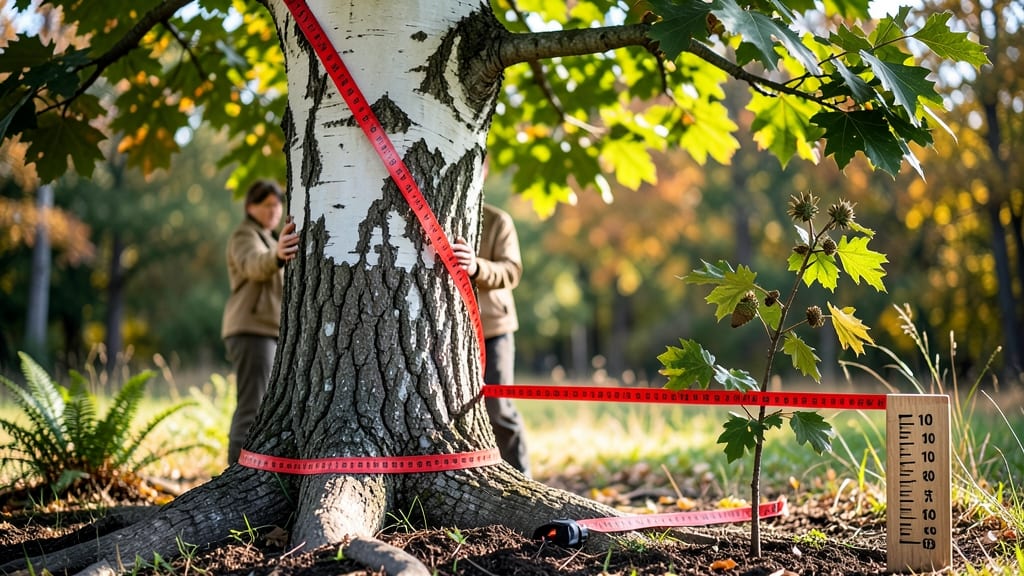
Oak trees grow to heights between 60 and 100 feet at maturity, making them some of the most majestic trees in nature 🌳 — but how tall does an oak tree grow depends on far more than just the species you choose.
Picture this: a towering white oak stretching over 100 feet, its branches forming a canopy wide enough to shade an entire backyard.
Yet, in the right conditions, even a dwarf variety can reach 25 feet—proof that soil, sunlight, and care play a huge role in how tall your oak will grow.
If you’re planning to plant one, knowing these factors is key. The wrong spacing or soil can stunt growth, while the right conditions can turn a modest sapling into a future landmark.
Below, I’ll break down exactly how tall different oak species get, what influences their height, and how to encourage (or control) their growth for your landscape.
Whether you’re dreaming of a century-old giant or a compact shade tree, this guide will help you choose the perfect oak—and give it the best shot at reaching its full potential.
📈
Oak Tree Growth Timeline
Average oak tree heights by species: from dwarfs to skyscrapers
Oak trees are nature’s skyscrapers, with some species reaching over 100 feet while others stay compact enough for urban landscapes. The white oak and bur oak top the height charts, while dwarf varieties like the chinquapin oak remain under 25 feet.
These differences aren’t just about genetics—they’re shaped by climate, soil quality, and care. Understanding these variations helps you choose the perfect oak for your space, whether you want a shade canopy or a smaller ornamental tree.
Most oak species take decades to reach maturity, with the fastest-growing varieties like the pin oak adding 1-2 feet per year in ideal conditions. Slower growers, such as the live oak, may only gain 6-12 inches annually.
Regional differences also play a role—oaks in southern climates often grow taller due to longer growing seasons, while those in northern zones may stay shorter. Let’s explore the height ranges of 15+ oak species to help you plan your landscape with precision.
| Species |
Mature Height |
Canopy Spread |
Growth Rate |
Best For |
| White Oak |
75–100 ft |
50–75 ft |
Moderate (1–2 ft/year) |
Large estates, parks |
| Bur Oak |
60–80 ft |
40–60 ft |
Slow (6–12 in/year) |
Drought-prone areas |
| Red Oak |
65–90 ft |
40–60 ft |
Fast (1–2 ft/year) |
Urban landscapes |
| Pin Oak |
50–70 ft |
30–50 ft |
Fast (1–2 ft/year) |
Small yards, containers |
| Live Oak |
40–60 ft |
60–100 ft (wide) |
Slow (6–12 in/year) |
Southern climates |
| Chinquapin Oak |
15–25 ft |
15–25 ft |
Slow (3–6 in/year) |
Urban gardens |
| Scarlet Oak |
50–70 ft |
30–50 ft |
Moderate (1 ft/year) |
Woodland edges |
| Swamp White Oak |
60–80 ft |
50–70 ft |
Slow (6–12 in/year) |
Wetland areas |
| Shumard Oak |
50–70 ft |
30–50 ft |
Fast (1–2 ft/year) |
Prairie landscapes |
| Black Oak |
50–70 ft |
30–50 ft |
Moderate (1 ft/year) |
Open woodlands |
| Willow Oak |
40–60 ft |
30–50 ft |
Fast (1–2 ft/year) |
Sw
What determines oak tree height: soil, climate, and care factors
Oak trees don’t grow to their full genetic potential by chance—they’re heavily influenced by their environment. Soil quality, sunlight exposure, and even pruning practices can determine whether your oak reaches 80 feet or stays under 50 feet.
Understanding these factors lets you optimize growth or control height for your landscape.
One of the biggest influences is soil type. Oaks thrive in well-draining, slightly acidic soil (pH 6.0–7.5). Clay-heavy soils can stunt root growth, while sandy soils may limit nutrient retention.
Even the depth of the water table plays a role—shallow roots in waterlogged areas can’t support towering growth, while deep, fertile soil encourages vertical expansion.
Climate is another critical factor. Oaks in USDA Zones 6–9 often grow taller because they experience longer growing seasons and moderate rainfall.
In colder zones (like Zone 4), growth slows dramatically, and trees may never reach their maximum height. Humidity levels also matter—dry climates can stress oaks, while high humidity may promote faster but weaker growth patterns.
🌳 Key Factors Affecting Oak Tree Height
- Soil: Well-draining, fertile soil = 30% taller growth
- Sunlight: 6+ hours daily = optimal vertical expansion
- Water: Deep roots need 1–2 inches/week in dry climates
- Pruning: Remove competing branches to encourage height
- Climate: Zones 6–9 = fastest growth; colder zones = slower
⚠️ Warning: Poor soil or over-pruning can reduce height by up to 40%.
Water availability is often underestimated. Young oaks need deep, infrequent watering to develop strong root systems. In arid regions, supplemental watering can boost height by 20–30%, while drought stress leads to stunted, weak growth. Even mature oaks benefit from seasonal deep watering, especially during dry spells.
Pruning plays a surprising role in height control. Removing lower branches early encourages the tree to focus energy upward, while over-pruning can weaken the trunk and limit potential height. For landscaping, strategic pruning in late winter (when the tree is dormant) helps guide growth without causing stress.
Watch for warning signs of stunted growth, like yellowing leaves, slow spring budding, or thin canopies. These often indicate poor soil, root competition, or disease. Addressing these issues early can restore healthy growth patterns and help your oak reach its full potential.
★★★★★4.7(7 reviews)
|