
Pruning
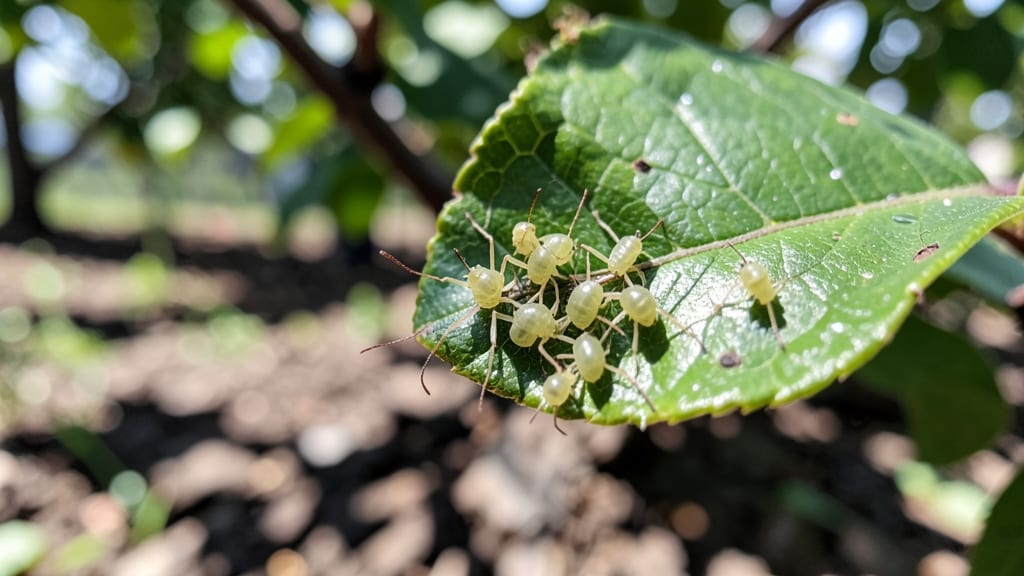
Tiny tree bugs like aphids and spider mites can turn your healthy trees into a stressed, sticky mess—unless you act fast. 🌿 I’ve seen entire orchards suffer from these pests, but the right pruning and treatment can restore growth and keep trees thriving.
The key is catching them early, when damage is still reversible. Most infestations start with subtle signs: yellowing leaves, webbing, or tiny black dots on bark. These bugs thrive on stressed trees, so proper pruning (removing dead branches) and regular inspections cut their food source.
Aphids cluster on new growth, while scale insects hide under bark—both leave behind a telltale sticky residue called honeydew. With the right tools—neem oil, horticultural soap, or beneficial insects—you can eliminate these pests without chemicals.
Prune infected branches in late winter or early spring to prevent spread, and monitor trees weekly during growing season. Healthy trees resist pests better, and a little vigilance keeps them that way. This method works for fruit trees, shade trees, and even young saplings.
The goal isn’t just to remove bugs—it’s to build resilience so trees stay strong year-round. Let’s get your trees back to their best.
Root Causes of Tiny Tree Invaders
Tiny tree bugs—whether they’re sap-sucking aphids, wood-boring beetles, or leaf-munching caterpillars—don’t just appear out of nowhere. Their presence is usually a sign of underlying conditions in your tree’s environment, health, or even your garden’s ecosystem.
Understanding these triggers helps you address the problem at its source, not just the symptoms. Let’s break down the most common reasons these pests take up residence in your trees.
Trees, like all living organisms, have natural defenses against pests. But when these defenses are compromised, they become easy targets for tiny invaders. Here’s why trees get vulnerable:
- Nutrient Deficiencies: Trees struggling from poor soil quality (lack of nitrogen, phosphorus, or potassium) produce weaker leaves and bark—perfect hiding spots for pests. Example: A nitrogen-deficient tree may attract aphids, which thrive on sap-rich but nutrient-starved foliage.
- Water Stress: Overwatering or drought weakens tree roots and stunts growth, making them more susceptible to borers and bark beetles. Fun fact: Some beetles specifically target stressed trees because their reduced resin production means fewer chemical defenses.
- Disease or Fungal Infections: Fungal spots (like powdery mildew) or bacterial infections create entry points for pests. For instance, Cryptostegia caterpillars love trees already weakened by fungal diseases.
💡 Pro Tip: Conduct a soil test and inspect your tree’s leaves for discoloration or spots. If you spot yellowing (chlorosis) or wilting, it’s a red flag for pest attraction.
Trees don’t live in isolation—they’re part of a larger ecosystem. When their surroundings are imbalanced, pests move in like uninvited guests at a buffet. Here’s how:
- Lack of Beneficial Predators: A healthy garden teems with natural predators (ladybugs, birds, parasitic wasps) that keep pest populations in check. If these helpers are missing—due to pesticide overuse or habitat loss—tiny bugs multiply unchecked.
- Monoculture Plantings: Planting the same species of trees (or plants) in a row creates a pest buffet. Example: A row of apple trees is a magnet for codling moths, while a diverse garden confuses pests and dilutes their food sources.
- Debris and Moisture Traps: Piles of fallen leaves, bark, or mulch near tree bases provide shelter for beetles and mites. Excess moisture (from poor drainage or overwatering) also encourages fungal growth, which attracts sap-sucking insects.
🌡️ Actionable Fix: Introduce native flowering plants to attract predator insects, and prune away dead branches to remove hiding spots. Mulch sparingly—too much creates a pest paradise.
Tiny tree bugs are highly sensitive to environmental changes. Shifts in temperature, rainfall, or even urbanization can turn your once-pest-free tree into a hotspot. Here’s how climate plays a role:
- Warmer Winters: Many pests (like spider mites or bark beetles) survive cold winters in dormant eggs. With milder winters, these eggs hatch earlier and in larger numbers. Example: Emerald ash borers thrive in regions where winters rarely drop below 0°F.
- Drought Followed by Heavy Rain: Drought-stressed trees produce less sap, but sudden heavy rains can wash away protective fungal coatings on leaves, leaving them vulnerable to aphids and scale insects.
- Urban Heat Islands: Trees in cities (especially those near pavement or buildings) experience higher temperatures and drought stress. This makes them prime targets for heat-loving pests like psyllids or whiteflies.
✨ Long-Term Solution: Choose tree species native to your climate zone—they’re already adapted to local pest pressures. If you’re in a warming region, opt for drought-resistant varieties like oaks or hackberries.
Sometimes, the biggest culprit is us! Poor gardening practices or landscaping choices can inadvertently create a pest magnet. Here’s how:
- Over-Fertilizing: Excess nitrogen promotes lush, tender new growth that aphids and caterpillars adore. Rule of thumb: Fertilize only when necessary—soil tests are your friend!
- Improper Pruning: Heavy pruning (especially late in the season) stresses trees, making them susceptible to borers. Mistake: Cutting too close to the trunk creates wounds that attract wood-boring beetles.
- Firewood or Nursery Stock: Moving firewood or buying infected nursery trees can introduce pests like the Asian longhorned beetle or sudden oak death bacteria. Always inspect new plants and quarantine them for a few weeks.
🎯 Prevention Tip: Prune in late winter or early spring (when trees are dormant) and use sterilized tools to avoid spreading diseases or pests.
Quick Fixes for Tree Invaders
Tiny tree bugs—whether they’re sap-sucking aphids, wood-boring beetles, or leaf-munching caterpillars—can turn your lush canopy into a battleground. But don’t panic! With the right approach, you can evict these pests fast and keep your trees thriving.
Below, we’ve mapped out targeted solutions based on the most common culprits, plus prevention tips to lock them out for good.
Problem: These bugs cluster on new growth, leaving sticky honeydew and stunted leaves.
How to Kick Them Out:
- 🔥 Blast Them Off – Use a strong stream of water (hose nozzle on high) to dislodge clusters. Repeat every 3–4 days for a week.
- 🍳 Soap It Up – Mix 1 tbsp mild dish soap + 1 quart water in a spray bottle. Drench infested areas (test on a small leaf first).
- 👨🍳 Neem Oil Spray – Combine 1 tsp neem oil + 1 tsp castile soap + 1 quart water. Spray early morning/late evening to avoid harming bees.
💡 Prevention Pro Tips: ✔ Encourage predators – Ladybugs and lacewings love aphids. Plant dill, fennel, or marigolds nearby to attract them. ✔ Prune early – Remove heavily infested branches before bugs spread. Seal cuts with pruning sealant. ✔ Reflective tape – Wrap tape around trunks to confuse flying pests (works for some beetles too).
Problem: These critters tunnel under bark, weakening structural integrity and inviting disease.
How to Stop the Damage:
- 🔪 Scrape & Treat – Use a putty knife or wire brush to scrape off infested bark. Dispose of debris far from your yard.
- 🌡️ Heat Treatment – For severe cases, boil infested branches (if small) or use a propane torch (safely!) to heat-blast entry holes.
- 🎯 Systemic Insecticide – Apply imidacloprid or dinotefuran granules to soil. Trees absorb it through roots—best done in early spring.
💡 Prevention Pro Tips: ✔ Inspect wounds – After pruning, fill cuts with pruning paste to block entry points. ✔ Remove stressed trees – Weak or dying trees attract borers. Replace or treat if needed. ✔ Beneficial nematodes – Soil-dwelling Steinernema carpocapsae nematodes attack larvae. Apply in early spring or fall.
Problem: Ragged leaves, skeletonized foliage, and sudden defoliation signal these hungry invaders.
How to Outsmart Them:
- 🍳 Handpick & Drown – Glove up and pluck caterpillars into a bucket of soapy water. Do this early morning when they’re sluggish.
- 🔪 Burlap Bands – Wrap trunks with burlap in spring to trap emerging moths before they lay eggs.
- 🌡️ Spinosad Spray – A natural bacterial treatment (derived from soil bacteria). Spray at dusk for best results.
💡 Prevention Pro Tips: ✔ Traps & lures – Hang pheromone traps for moths or use fermentation traps (apple cider + yeast in a jar) for beetles. ✔ Diatomaceous earth – Sprinkle food-grade DE around the base of trees (reapply after rain). It dehydrates soft-bodied pests. ✔ Plant diversity – Bugs target monocultures. Mix native trees/shrubs to disrupt their life cycles.
Even after pests are gone, stress = open invitations.
Keep your trees resilient with: - 💪 Proper watering – Deep, slow watering 1–2x/week (not daily shallow soaks). - 🥗 Mulch like a pro – 3-inch layer of wood chips (keep 6” from trunk) to retain moisture and block weeds. - 🌿 Fertilize smart – Use slow-release organic fertilizer in early spring to avoid nutrient spikes that attract pests.
⚠️ When to Call a Pro: If you spot large exit holes, sawdust-like frass, or sudden dieback, the infestation may be too deep for DIY fixes. A certified arborist can assess and treat internal borers with injected pesticides or cultural controls.
Frequently asked questions
What are the most common tiny tree bugs I should watch for?
The most troublesome tiny tree pests include aphids (green/black clusters on new growth), scale insects (brown bumps on bark), spider mites (tiny red dots with webbing), and bark beetles (tiny holes in bark with sawdust-like frass). Early identification is key—check undersides of leaves and bark crevices regularly.
How do I tell if my tree has a pest problem or just seasonal stress?
Look for these red flags: sticky residue (honeydew) on leaves, visible bugs or eggs, webbing, or unusual holes in bark. Seasonal stress usually shows as uniform yellowing without pests or sticky deposits. Take a close look with a magnifying glass if you're unsure.
Are homemade sprays like neem oil or soap water safe for all trees?
Most trees tolerate neem oil or soapy water sprays (1 tbsp mild dish soap per quart of water), but always test on a small leaf first. Avoid using these on conifers (pines, spruces) or broadleaf evergreens like boxwoods, as they're more sensitive. For delicate species, dilute to half-strength.
When is the best time of year to treat tiny tree bugs?
The ideal window is early spring (before buds open) or late fall (after leaf drop). This catches pests when they're most vulnerable. For aphids and mites, treat again in early summer if needed. Avoid spraying when bees are active (midday on warm days). Timing matters more than frequency.
What should I do if I find tiny bugs but no visible damage yet?
Act fast! Start with physical removal (blow clusters off with water) and introduce beneficial insects (ladybugs, lacewings). Monitor weekly and treat preventatively with neem oil or reflective tape around trunks. Early intervention prevents infestations from becoming unmanageable. The sooner you act, the easier it is to keep pests under control.