
Pests and Diseases
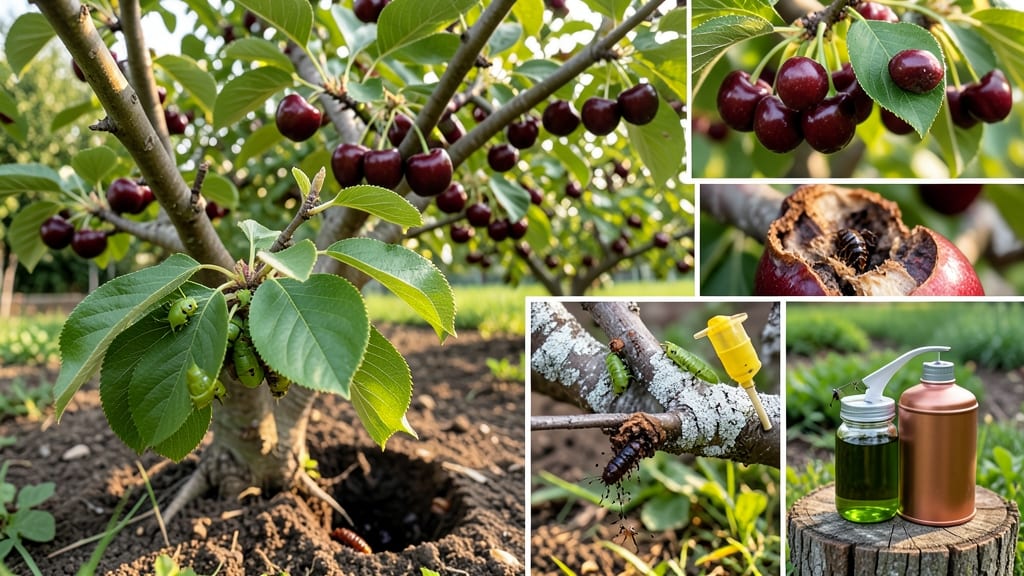
Cherry tree pests and diseases turn my once-thriving orchard into a battleground every spring. 🌳 The wilting leaves, mysterious spots, and oozing cankers aren't just cosmetic—they signal serious problems like brown rot or borer invasions that can kill a tree in weeks if ignored.
I learned the hard way that prevention starts in winter: pruning out dead wood, sealing wounds, and choosing resistant varieties. But when pests strike, I reach for targeted fixes—neem oil for aphids, copper fungicide for bacterial canker, and beneficial nematodes for grubs.
These methods work without harsh chemicals that harm pollinators. By summer, your tree will bounce back with fresh foliage and fruit. The key is catching issues early—check for sticky sap (aphids), sawdust-like frass (borers), or powdery coatings (mildew) every two weeks.
A healthy tree produces 30% more cherries than a struggling one. Works for sweet, tart, and ornamental cherries alike. Let's get your tree back to peak health!
Root Causes of Cherry Tree Struggles
Cherry trees are stunning additions to any landscape, but their health can take a hit from a mix of environmental stressors, biological threats, and even human habits. Understanding why these problems arise is the first step to protecting your tree.
Below, we break down the science behind the most common issues—from fungal infections to insect invasions—and explain the conditions that make your tree vulnerable.
Cherry trees thrive in specific conditions, and when those needs aren’t met, they become prime targets for pests and diseases. Here’s what puts them at risk:
- Poor Soil Drainage or Overwatering
Cherry trees hate soggy roots. When soil stays waterlogged—often due to heavy clay or compacted ground—Phytophthora fungi thrive, causing root rot and crown cankers. Overwatering (especially in late summer/fall) also weakens the tree’s defenses, making it easier for pathogens to invade.
- Nutrient Deficiencies
Lack of key nutrients like nitrogen, potassium, or zinc stresses trees, reducing their ability to fight off infections. For example, zinc deficiency (seen as small leaves or stunted growth) makes trees more susceptible to Monilinia (brown rot fungus). A soil test can reveal imbalances before they become critical.
- Extreme Weather or Sunburn
Sudden temperature swings (like late frost after bud break) or intense afternoon sun can damage bark, creating entry points for pests like Eriophyid mites (which cause little cherry disease). Young trees or those in exposed locations are especially at risk.
💡 Pro Tip: Mulch properly (2–4 inches of organic mulch, kept 6 inches from the trunk) to regulate soil temperature and moisture—this reduces stress-related vulnerabilities.
Pests and diseases don’t just appear out of nowhere—they target trees that are already compromised. Here’s how biology turns the tables:
| Pest/Disease | Why It Strikes | Trigger Conditions |
|---|---|---|
| Western Black Spot (Fungal) | Spores spread via rain or overhead watering, infecting leaves through stomata (tiny pores). | Humid, rainy summers + dense foliage (poor airflow). |
| Japanese Beetles | Adults skeletonize leaves, while grubs feed on roots. They’re drawn to stressed or newly planted trees. | Drought stress + nearby grassy areas (grub habitats). |
| Canker Diseases (e.g., Leucostoma) | Fungi enter through bark wounds (pruning cuts, hail damage) and thrive in wet, warm conditions. | Recent pruning in wet weather + poor sanitation (old infected branches left on the ground). |
| Root-Knot Nematodes | Microscopic worms penetrate roots, causing galls that disrupt water/nutrient uptake. | Compacted, sandy soil + history of infested plants in the area. |
✨ Key Insight: Many pests and diseases are opportunistic. A tree with strong vigor (thanks to proper care) can often fend them off. Think of it like a human with a strong immune system—less likely to get sick when germs are around.
Sometimes, well-meaning gardening practices accidentally invite trouble. Here’s how common errors open the door to problems:
- Improper Pruning
Cutting too late in the season (after Monilinia spores are active) or using contaminated tools spreads fungal infections. Jagged cuts also slow healing, leaving trees vulnerable to cankers.
- Ignoring Sanitation
Leaving fallen leaves, mummified fruit, or diseased branches on the ground creates a buffet for pathogens. For example, Brown rot overwinters in infected twigs—removing them breaks the cycle.
- Over-Fertilizing
Too much nitrogen promotes lush, tender growth that’s a magnet for pests like aphids or spider mites. It also delays hardening-off before winter, increasing frost damage risk.
- Planting in the Wrong Location
Cherry trees need full sun (6+ hours/day) and space (15–20 feet apart). Crowding or shade from other trees stresses them, making them easier targets for diseases like Powdery Mildew.
🎯 Actionable Fix: Always sterilize pruning tools with rubbing alcohol between cuts, and prune during dry weather in late winter/early spring to minimize disease spread.
Quick Fixes for Cherry Tree Woes
When your cherry tree shows signs of stress—whether it’s wilting leaves, mysterious spots, or gnarly cankers—acting fast is key. Below are targeted solutions for the most common issues, paired with prevention tips to keep your tree thriving. Think of this as your cherry tree first-aid kit!
Fungi love damp conditions, and cherry trees are prime targets. Here’s how to evict them for good:
🔥 Treat Leaf Spot or Brown Rot
- Prune infected branches (at least 6 inches below the damage) using sterilized pruners (wipe with rubbing alcohol between cuts).
- Apply fungicide: Use a copper-based fungicide (like Bordeaux mixture) or a neem oil spray (1 tsp neem oil + 1 tsp mild soap per quart of water).
Spray every 7–10 days during wet seasons. - Clean up debris: Rake and remove fallen leaves from under the tree—fungi hibernate there!
✨ Prevention Pro Tip: Space trees properly (15–20 ft apart) for airflow. Water at the base (not overhead) to keep leaves dry.
🌡️ Stop Cankers from Spreading
- Scrape out cankers: Use a sterilized knife to cut out infected bark down to healthy tissue.
Apply pruning paint (not tar—it traps moisture!) to the wound. - Disinfect tools: Wipe pruners with bleach or alcohol between cuts to avoid cross-contamination. - Boost tree health: Fertilize in early spring with a balanced 10-10-10 formula to strengthen defenses.
💡 Quick Fix: If cankers are severe, consider surgery-style pruning—remove the entire branch at the collar (where it meets the trunk) for a clean recovery.
Pests weaken trees by sucking sap or tunneling inside. Smother them before they multiply!
🍳 Drown Borers and Beat Bark Beetles
- Drill holes (¼-inch wide) into infested branches and pour in soapy water (1 tbsp dish soap per gallon). This drowns larvae inside.
- Invite predators: Ladybugs, lacewings, and birds love aphids and beetles.
Install a birdhouse or plant companion flowers (like marigolds) nearby. - Wrap young trees: Use tree guard wrap (not plastic—it traps moisture!) to block bark beetles from laying eggs.
🔪 Radical Move: If borers have killed large branches, prune them immediately to prevent spread.
👨🍳 Zap Aphids and Spider Mites
- Blast them off: Spray with a strong stream of water (aphids hate this!).
- Neem oil spray: Mix 1 tbsp neem oil + 1 tsp soap per gallon of water and spray every 5–7 days until gone.
- Introduce beneficial insects: Ladybugs (buy online) or release predatory mites for spider mites.
🎯 Prevention Tip: Mulch properly (2–3 inches of wood chips) to reduce stress—healthy trees resist pests better!
If your cherry tree looks leggy, yellow, or just sad, it might need a full-body reboot.
⏰ Revive a Stressed Tree
- Deep watering: Soak the root zone (not just the surface) once a week in dry spells.
Use a soaker hose for slow, deep hydration. - Aerate compacted soil: Dig 1-inch holes around the drip line (where branches extend) to loosen roots. - Fertilize smart: Use a slow-release fertilizer (like 10-10-10) in early spring and late summer. Avoid over-fertilizing—it burns roots!
🌿 Emergency Fix: If the tree is severely wilting, prune 1/3 of the canopy to reduce water demand while roots recover.
| Season | Do This | Avoid This |
|---|---|---|
| Spring | Prune dead wood, apply fungicide, mulch | Overwatering |
| Summer | Monitor for pests, water deeply | Fertilizing late in season |
| Fall | Rake leaves, check for cankers | Leaving fallen fruit (harbors pests) |
| Winter | Inspect bark for cracks, wrap young trees | Ignoring dormant pests |
Final Thought: A little early action goes a long way! Most cherry tree issues are manageable with proactive care. Keep an eye on your tree, stay consistent with treatments, and your tree will reward you with sweet, healthy cherries for years. 🍒✨
Frequently asked questions about cherry tree pests and diseases
How do I tell if my cherry tree has brown rot?
Look for dark brown, mummified fruit still clinging to branches and shot-hole leaf damage (small holes with brown edges). In wet weather, you might see pinkish fungal growth on infected areas. Remove all infected fruit and branches immediately to prevent spread.
What's the best organic solution for spider mites on cherry trees?
Start with a strong blast of water to dislodge them, then apply a neem oil spray (1 tbsp neem oil + 1 tsp mild soap per gallon of water) every 5-7 days until they're gone. Introduce predatory mites or release lacewings for natural control—both are available online.
Can I save a cherry tree with canker disease?
Yes, but act fast! Remove infected bark down to healthy tissue with a sterilized knife, then paint the wound with pruning sealant. Prune the entire branch at the collar if cankers are large. Boost tree health with balanced fertilizer and proper watering to help it recover.
Why do my cherry leaves have yellow spots with black centers?
That's likely leaf spot disease, caused by fungal spores. Prune infected leaves immediately and apply copper fungicide every 10 days during wet seasons. Improve airflow by thinning dense branches and avoid overhead watering to prevent future outbreaks.
How often should I inspect my cherry tree for pests?
Check your tree every 2 weeks during growing season (spring-fall). Look for sticky sap (aphids), sawdust-like frass (borers), or webbing (spider mites). Early detection lets you treat issues before they spread—most problems are easier to fix when caught early!