
Pruning
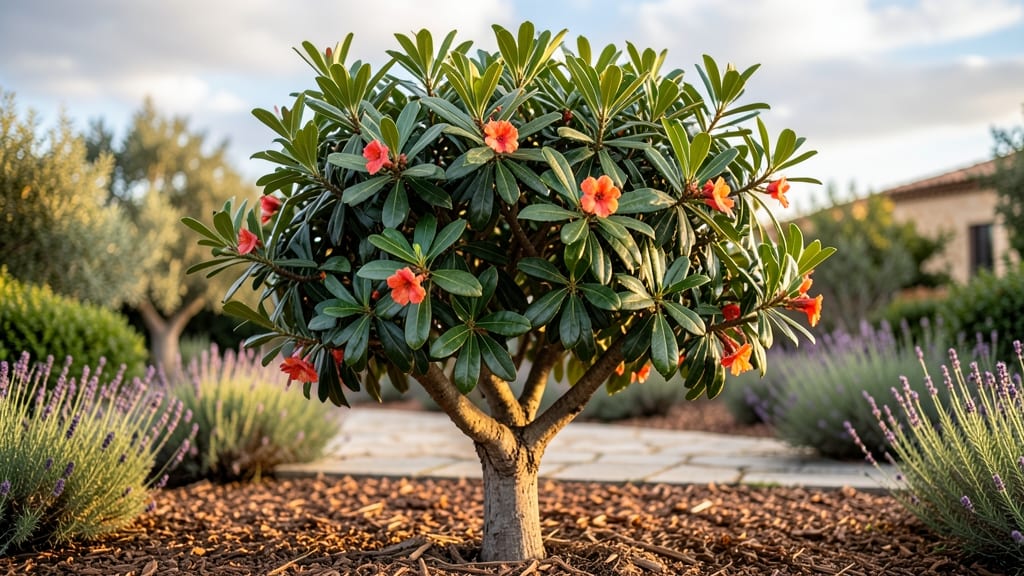
Understanding pomegranate tree cold tolerance reveals they naturally grow best in USDA Zones 7-11 but can endure brief cold snaps down to 15°F (-9°C) with protective measures. Tougher cultivars like 'Wonderful' handle temperatures as low as 10°F (-12°C), while more delicate varieties require winter safeguards like mulching or container relocation.
Pomegranate trees actually have a surprising resilience to cold when given the right care. 🌱 The key difference between varieties becomes clear when you consider how long they can handle freezing temperatures—some can survive brief dips below freezing, while others need consistent protection.
For example, 'Eversweet' pomegranates are more cold-sensitive and may need extra insulation compared to 'Wonderful,' which has been bred for better hardiness. The real challenge comes when temperatures drop below 15°F (-9°C) for more than a few hours, as this can cause irreversible damage to the plant's vascular system.
What many gardeners don't realize is that proper winter preparation can push these limits even further. Techniques like wrapping the trunk with burlap or using thick layers of straw mulch around the base create an insulating barrier that maintains root zone temperatures.
For container-grown pomegranates, moving them to a sheltered location or even indoors during extreme cold events can make all the difference. The goal is to prevent rapid temperature fluctuations, which are often more damaging than steady cold.
One important factor to remember is that cold tolerance isn't just about minimum temperatures—it's also about how quickly the plant can recover in spring. Even if a pomegranate survives winter, sudden warm spells followed by hard freezes can stress the plant and reduce fruit production.
That's why I always recommend monitoring your local weather forecasts and having your protection plan ready before the first frost arrives.
💡 In This Article
- USDA Zones for Pomegranate Trees and Cold Hardiness Limits
- Winter Protection Strategies for Pomegranate Trees
USDA zones for pomegranate trees and cold hardiness limits
Pomegranate trees belong to the Punica genus and are native to regions with Mediterranean climates, where they experience mild winters and hot summers.
The USDA Zone 7-11 range reflects their natural preference for warm conditions, but their cold tolerance varies dramatically between varieties. 🌡️ For example, the widely grown 'Wonderful' cultivar can handle temperatures down to 10°F (-12°C) for short periods, thanks to its thicker bark and more robust vascular system.
In contrast, varieties like 'Eversweet' typically struggle below 15°F (-9°C), making them better suited for Zone 8 and warmer.
The science behind this tolerance lies in how plant cells respond to freezing. When temperatures drop below 32°F (0°C), water inside plant cells begins to crystallize, damaging cell membranes and disrupting nutrient flow.
Pomegranates in Zones 7-8 have evolved to produce higher levels of antifreeze proteins that lower the freezing point of their cell sap, similar to how some fish survive in Arctic waters.
However, prolonged exposure to 10°F (-12°C) or colder overwhelms even these protective mechanisms, leading to what horticulturists call "chilling injury" - a condition where the plant's ability to photosynthesize is permanently compromised.
What makes this even more complex is that cold tolerance isn't just about minimum temperatures - it's about duration.
A brief freeze at 15°F (-9°C) might cause only superficial damage to leaves, while the same temperature maintained for 24 hours can kill the plant's cambium layer, preventing new growth in spring.
This is why gardeners in marginal zones (like Zone 7) often see their pomegranates survive winters but produce poor fruit yields the following year. The plant's energy gets diverted to repairing cold damage rather than flowering and fruiting.
Another critical factor is how quickly temperatures fluctuate. Pomegranates are particularly sensitive to freeze-thaw cycles, where daytime warming followed by nighttime freezing causes repeated expansion and contraction of plant tissues. This mechanical stress can be more damaging than steady cold.
For instance, a pomegranate tree might survive 10°F (-12°C) overnight but suffer severe damage if daytime temperatures rise to 50°F (10°C) before dropping again.
This phenomenon explains why some gardeners in Zone 7 report successful pomegranate cultivation while others struggle - it often comes down to microclimate stability rather than just minimum temperatures.
Consider these variety-specific cold tolerance benchmarks when selecting plants for your climate:
- 'Wonderful': 10°F (-12°C) tolerance (most cold-hardy common variety)
- 'Eversweet': 15°F (-9°C) tolerance (requires winter protection in Zone 7)
- 'Sweetheart': 10°F (-12°C) tolerance (similar to 'Wonderful')
- 'Crimson Beauty': 15°F (-9°C) tolerance (intermediate hardiness)
The key takeaway is that while pomegranates can extend their range into Zone 7 with proper care, they'll never be as cold-tolerant as native species like crabapples or serviceberries.
Their tropical heritage shows in their sensitivity to prolonged freezing, making winter protection not just helpful but essential for successful cultivation in marginal climates. 🌿