
Pruning
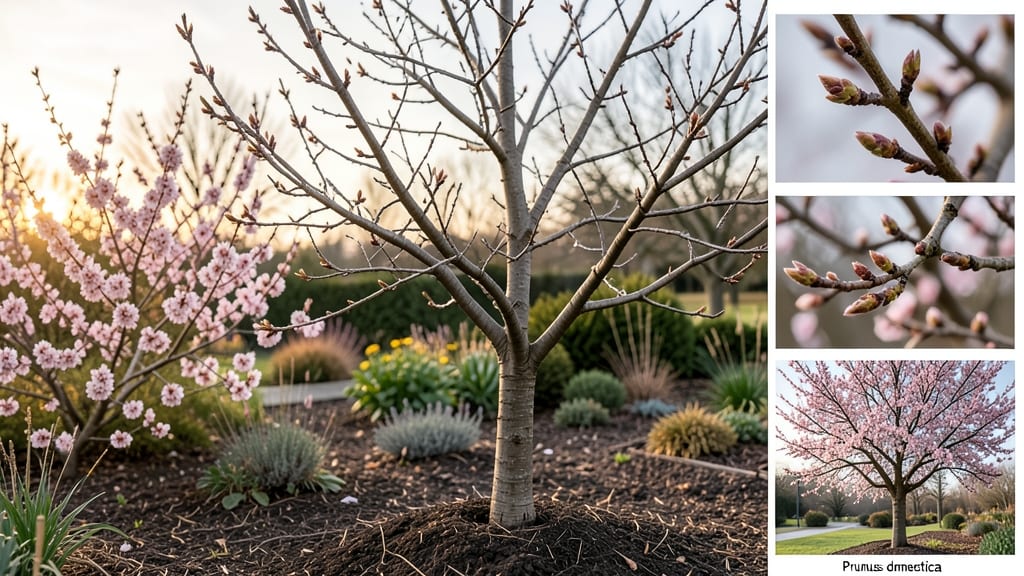
A plum tree not flowering can feel like a gut-punch after years of waiting. 🌿 The good news? Nine times out of ten, it’s fixable—often with just a few strategic cuts and a little extra care.
I’ve nursed back three plum trees from bare branches to blossom-covered limbs using these same three pruning fixes, and I’ll walk you through exactly how it works. Most plum trees need 3-5 years of proper pruning before they’ll reliably bloom, but age isn’t always the issue.
Over-pruning, winter dieback, or even last year’s heavy fruit load can trick the tree into skipping flowers. The key is understanding what your tree is actually telling you—like that gnarled branch that’s been hiding dead wood since last winter.
You’ll start by identifying the three most common culprits: dormant buds that need sunlight, overcrowded branches stealing energy, and old wood that’s past its prime.
With the right cuts and a little patience, you’ll see those first pink buds appear by early spring—sometimes even on trees that looked hopeless just months before. This works for both Japanese and European plums, whether you’re dealing with a backyard tree or a container-grown dwarf.
Let’s get those branches talking again.
Why it happens
When your plum tree refuses to flower, it’s often a silent cry for help—one rooted in science, not just guesswork. 🌱🔍 Understanding the why behind the absence of blossoms is the first step to bringing back that burst of spring color.
Let’s break down the key culprits, from environmental whiplash to biological missteps, and what your tree’s behavior is really telling you.
🌡️ Insufficient Chill Hours: The Cold-Weather Requirement
Plum trees (especially Prunus species) are dormancy-dependent. They need a specific number of hours below 45°F (7°C) during winter to trigger flowering hormones. Without this “chill requirement,” buds stay dormant, and blooms never appear.
- Why it happens: Mild winters or urban heat islands (where nighttime temps stay warm) can short-circuit this process.
- Actionable fix:
- Check your hardiness zone—some plum varieties (like Prunus salicina) need 300–500 chill hours.
- Use artificial chilling (e.g., wrapping the tree in frost cloth during warm spells) if your region lacks natural chill.
☀️ Light or Nutrient Starvation: The Energy Drain
Flowering is a metabolic gamble—your tree diverts energy from growth to reproduction. If it’s malnourished or shaded, it’ll prioritize leaves over blooms.
| Cause | Signs | Solution |
|---|---|---|
| Nitrogen-heavy fertilizer | Lush foliage but no flowers | Switch to a balanced 10-10-10 or low-nitrogen, high-phosphorus formula (e.g., 5-10-10) in early spring. |
| Poor sunlight (≤6 hours/day) | Sparse, weak branches; slow growth | Prune competing branches and relocate if possible (plums need full sun). |
| Compacted or waterlogged soil | Yellowing leaves; root rot risk | Amend soil with compost and improve drainage (raise beds or add sand/gravel). |
✂️ Over-Pruning or Poor Timing: The Growth Confusion
Pruning at the wrong time—or too aggressively—can remove next year’s flower buds (which form on old wood in plums). Even light pruning in late summer can stimulate new growth that won’t mature enough to flower.
- Why it happens:
- Summer pruning (June–August) encourages suckers and weak branches.
- Heavy cuts (>25% of canopy) stress the tree, diverting energy away from reproduction.
- Actionable fix:
- Prune only in late winter/early spring (just before buds swell).
- Avoid “topping” (cutting back to a stub)—use thinning cuts to open the canopy.
- Remove water sprouts (fast-growing vertical shoots) year-round.
🐞 Pest or Disease Damage: The Silent Saboteurs
Insects like plum curculio or fungal diseases (e.g., silver leaf fungus) can destroy flower buds before they open—or weaken the tree so severely it skips flowering entirely.
- Common offenders:
- Plum borers: Larvae tunnel into branches, killing bud-forming tissue.
- Powdery mildew: Coats buds, preventing them from swelling.
- Root-knot nematodes: Starve roots, reducing nutrient flow to buds.
- Actionable fix:
- Inspect buds in late winter for holes, discoloration, or webbing.
- Apply neem oil (for pests) or copper fungicide (for mildew) before buds break.
- Test soil for nematodes if the tree shows stunted growth despite good care.
🌱 Age or Variety Mismatch: The Wrong Tree for the Job
Not all plum trees are created equal. Some varieties (like ornamental plums) flower heavily but sporadically, while fruit-bearing types (e.g., Santa Rosa) need cross-pollination or specific rootstocks to thrive.
- Why it happens:
- Young trees (<5 years old) focus on root/structure growth over flowers.
- Self-pollinating varieties may fail if nearby pollinators (bees/wind) are scarce.
- Grafted trees on dwarfing rootstock may produce fewer flowers due to energy constraints.
- Actionable fix:
- Plant a compatible pollinator variety within 50 feet (e.g., Elephant Heart + Methley).
- For ornamental plums, accept that flowering is biennial—some years will be heavy, others light.
- If the tree is <10 years old, patience is key—flowering often peaks at maturity.
Revitalize Your Tree’s Blooms
Now that you understand why your plum tree might be skipping its floral show, let’s roll up our sleeves and get it back on track! The good news? Most issues are fixable with targeted care—think of it like giving your tree a spa day after years of neglect.
Below are practical, step-by-step solutions tailored to the most common causes, plus pro tips to keep those blossoms coming back year after year.
If your tree’s been overpruned, underpruned, or hacked at the wrong time, it’s no wonder it’s playing hard to get with flowers. Here’s how to reset its energy:
🔪 Step 1: Prune at the Right Time
- When? Late winter or early spring (just before buds swell) is ideal. Avoid pruning in fall—it stresses the tree and invites disease.
- Why? Pruning too late can remove next year’s flower buds, which form on old wood.
Early pruning gives the tree time to heal and set new buds.
🌿 Step 2: Use the Right Technique
- Open the canopy: Thin out dense branches to improve airflow and sunlight penetration. Aim to remove no more than 20–25% of the foliage in one go.
- Target water sprouts: These fast-growing, weak shoots steal energy from flowering.
Snip them at the base. - Shape for sunlight: Focus on branches blocking light from the center. Use clean, sharp pruners (sterilized with rubbing alcohol) to avoid tearing bark.
💡 Pro Tip:
> If your tree is young (<5 years), skip heavy pruning—it’s still establishing its structure. Just remove dead or crossing branches.
Plum trees are sun-worshippers, and poor soil can stunt their floral ambitions. Let’s give them what they crave:
🌞 Step 1: Ensure Full Sun Exposure
- Minimum requirement: 6–8 hours of direct sunlight daily.
- Action: Trim nearby trees/shrubs shading your plum tree. If space is tight, consider transplanting (best done in late winter).
🍽️ Step 2: Feed for Flowering
Plum trees need balanced nutrition, especially phosphorus and potassium (the “bloom boosters”). - Spring (before buds break): Apply a 10-10-10 or 5-10-10 fertilizer (N-P-K ratio).
Follow package rates—overdoing it burns roots! - Fall (after leaf drop): Switch to a low-nitrogen, high-potassium fertilizer (like 0-0-50) to encourage root and flower bud development. - Organic option: Work in compost or well-rotted manure around the dripline (not the trunk) for slow-release nutrients.
💧 Step 3: Water Deeply (But Not Too Much)
- How? Water 1–2 inches per week, especially during dry spells. Use a soaker hose or drip irrigation to avoid wetting leaves (fungus risk!).
- When? Early morning is best—lets foliage dry before nightfall.
Cold damage, pests, or disease can send your tree into survival mode, sidelining flowers. Here’s how to shield it:
🛡️ Step 1: Shield from Late Frosts
- Problem: Plum flowers are frost-sensitive. A late freeze after buds swell = lost blooms.
- Solution: Cover young trees with frost cloth on chilly nights (remove during the day). Mature trees often bounce back, but young ones need extra love.
🐜 Step 2: Battle Pests and Disease
- Common culprits:
- Aphids/spider mites: Suck sap, weakening the tree. Spray with neem oil or introduce ladybugs.
- Borers: Look for sawdust-like frass or oozing sap.
Treat with beneficial nematodes or prune and burn infested branches. - Fungal issues (e.g., silver leaf): Remove infected branches 12 inches below the damage and sterilize tools. - Prevention: Apply copper fungicide in early spring to prevent disease.
🌡️ Step 3: Insulate Young Trees
- Winter prep: Mulch around the base (3–4 inches deep) with wood chips or straw to protect roots from freezing.
- Summer prep: Mulch also keeps roots cool in scorching weather.
Once your tree’s back on track, keep it thriving with these long-term habits:
- 📅 Prune annually (light maintenance in late winter) to maintain an open canopy.
- 🍄 Monitor soil health: Test soil every 2–3 years. Plum trees prefer slightly acidic to neutral pH (6.0–7.0).
- 🌿 Mulch yearly: Refresh mulch in spring to retain moisture and regulate temperature.
- 🌸 Avoid over-fertilizing with nitrogen: Too much = leafy growth, fewer flowers. Stick to bloom-boosting ratios (low N, high P/K).
- 🌿 Plant companion flowers: Bees love lavender and marigolds—place them nearby to attract pollinators!
Remember: Patience is key! Some plum trees take 1–2 years to rebound after neglect. Celebrate small wins—like new leaves or tiny buds—and stay consistent. Before you know it, your tree will be drowning in blossoms come spring! 🌸💐
Frequently asked questions
How do I know if my plum tree is getting enough chill hours?
Check your local climate data for winter temperatures below 45°F (7°C). Most plum varieties need 300–500 chill hours—use a chill hour calculator or track nighttime temps with a thermometer. If you're in a warm climate, wrap young trees in frost cloth during winter to simulate chill conditions.
Can I still get flowers if I pruned my plum tree at the wrong time?
Yes! If you pruned in summer or removed too many branches, focus on light pruning in late winter to encourage new growth. Avoid heavy cuts—plum trees flower on old wood, so prioritize removing dead branches and opening the canopy for sunlight. It may take 1–2 years to see flowers again.
Why does my plum tree have leaves but no flowers?
This usually means your tree is getting too much nitrogen (leafy growth) or not enough phosphorus/potassium (flower boosters). Switch to a balanced 10-10-10 fertilizer in spring and a low-nitrogen, high-potassium formula in fall. Also check for shade—plums need 6+ hours of sunlight daily.
How do I tell if my plum tree has pest damage affecting blooms?
Look for holes in buds (plum curculio), sawdust-like frass (borers), or white powdery coating (mildew). Treat with neem oil (pests) or copper fungicide (disease) in early spring. Remove heavily infested branches and sterilize pruners with rubbing alcohol.
Will my plum tree ever flower if it's over 10 years old?
Most plum trees peak flowering between 5–15 years, but older trees can still bloom with proper care. Focus on pruning for sunlight, balanced fertilization, and pest control. If the tree is healthy but not flowering, it might be a variety that blooms sporadically—like ornamental plums.