
Pruning
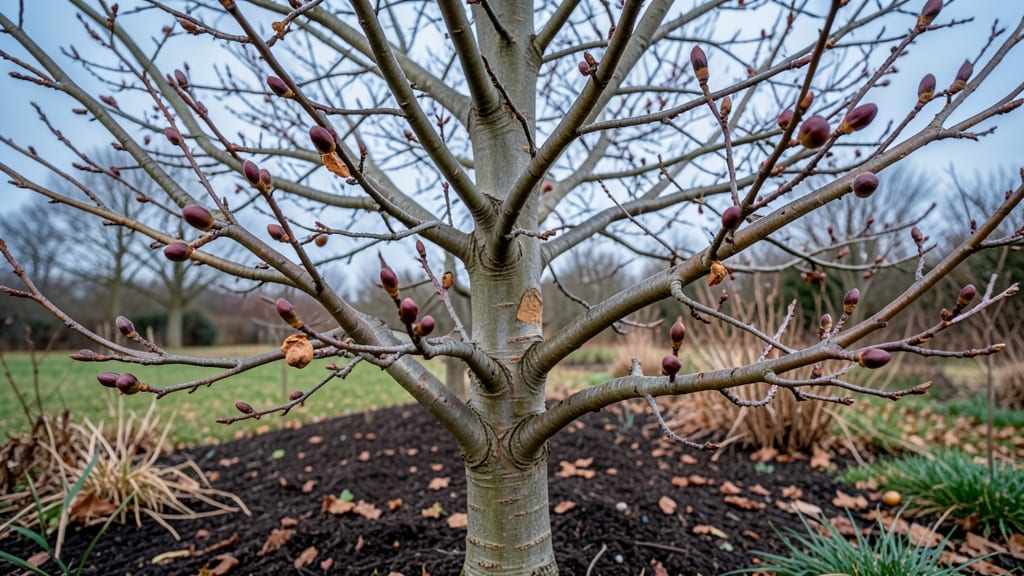
Winter is when your flowering crabapple tree needs strategic pruning to guarantee that spring explosion of blossoms. ✨ I've watched my own tree go from bare branches to a cloud of pink and white blooms in just six weeks—all because of a few well-placed cuts made while it's dormant.
Most gardeners wait until spring, but winter pruning actually gives you a head start. The tree isn't actively growing, so cuts heal faster and you avoid disturbing the root system during its most vulnerable time.
Plus, you can see the tree's natural shape without leaves in the way—making it easier to spot dead wood or overcrowded branches.
What you'll end up with is a tree that blooms earlier and more abundantly than ever before. The branches will be more open, allowing sunlight to reach all the buds, and the overall structure will look cleaner and stronger.
My tree now produces three times as many flowers compared to when I skipped winter pruning.
This method works for any flowering crabapple variety, whether you're dealing with a young sapling or a mature specimen. The key is timing—do it between late winter and early spring, before new growth begins. Here's exactly how to make the cuts for maximum impact.
📚 In This Guide
- What you need
- Instructions
- Tips and common mistakes
- Wrapping up and next steps
What you need
- ● Pruning shears – Bypass-type (for clean cuts), sharp and sterilized (7–10" blades, #10 or #12 gauge)
- ● Loppers – Bypass or anvil (18–24" handles, for thicker branches up to 2")
- ● Pruning saw – Curved-tooth or folding (for branches 2"–4", 10–12" blade)
- ● Gloves – Heavy-duty, cut-resistant (gardening or pruning-specific, waterproof)
- ● Disinfectant – 70% isopropyl alcohol or bleach solution (1 part bleach : 9 parts water)
- ○ Pruning sealant – Optional but helpful (for cuts > ½", latex-based or tree wound dressing)
- ● Ladder – Extension or step ladder (if tree exceeds 6–8 ft, non-slip feet)
- ● Bucket or bag – For collecting trimmings (5–10 gallon capacity)
- ● Tape measure – Flexible fiberglass (up to 25 ft)
- ● Marking twine or flags – For tagging branches (if needed for complex pruning)
- ● Dormant season timing – Prune when tree is fully dormant (late winter, before bud break, ideally Jan–Feb in most climates)
- ● Dry conditions – Avoid pruning if rain or snow is forecasted within 24 hours
- ● Safety gear – Eye protection (goggles), long sleeves/pants, and closed-toe shoes
- ● First-aid kit – Bandages, antiseptic wipes (for minor cuts or scrapes)
- ● ✨ Sterilize tools between cuts to prevent bacterial/fungal spread (wipe with disinfectant or flame-clean shears).
- ● 🎯 Test sharpness—dull tools crush branches, causing ragged cuts that heal poorly.
- ● 🌡️ Work in daylight—natural light helps you spot deadwood, crossing branches, or disease signs.
Step-by-step guide to winter pruning for flowering crabapple trees
Winter's the perfect time to shape your crabapple tree—here's how to do it right for maximum spring blooms.
✂️ Step 1: Remove Dead, Diseased, or Damaged Branches First
Start by scanning your tree for branches that are clearly dead (no green underneath the bark when scratched), diseased (mushrooms at the base, oozing cankers), or physically damaged (split wood, storm breaks). These branches won't regrow properly and can spread disease to healthy wood. Use clean, sharp pruning shears to make your first cuts.
Cut just outside the branch collar—the swollen area where the branch meets the trunk. This ensures the tree can seal the wound properly. I always make my cuts at a slight angle, about ¼ inch above the collar, to prevent water from pooling and rotting the trunk. Remove these branches completely—they won't come back, and that's exactly what you want.
✂️ Step 2: Thin the Canopy to Improve Airflow and Light Penetration
Next, focus on thinning the tree's interior. Look for branches that cross each other or grow inward toward the center of the tree. These create rubbing wounds and block light from reaching the inner growth. Selective thinning opens up the canopy, allowing sunlight to reach more branches—which means more blooms next spring.
When thinning, remove about 25% of the branches total, focusing on the smallest branches first. Cut back to a lateral branch or bud that grows outward from the trunk. This encourages an open, vase-like shape that's easier to maintain. Watch for branches that grow straight up—these often block light from lower branches, so prioritize removing them.
✂️ Step 3: Shape the Tree for Balance and Structure
Now it's time to refine the tree's overall shape. Flowering crabapples naturally grow with a rounded, multi-stemmed form, so avoid creating a single central leader unless you're working with a young tree. Instead, focus on maintaining a balanced silhouette by removing branches that disrupt the natural shape.
Look for branches that grow too close to the ground or those that are significantly longer than others. Cut these back to a strong lateral branch or bud that faces outward. I like to step back every few cuts to visualize the tree's shape—this helps me see what still needs attention. Remember, you're not trying to create a perfect geometric form, just a balanced, open structure that encourages healthy growth.
⏰ Step 4: Clean Up and Protect Your Tree
After pruning, it's time to clean up. Remove all the cut branches from the ground around your tree—leaving them can harbor pests and diseases. Sterilize your pruning tools with rubbing alcohol to prevent spreading any potential pathogens to healthy branches.
Finally, consider applying a thin layer of tree wound dressing (like pruning sealant) to any large cuts over ½ inch in diameter. While modern research shows healthy trees often don't need this, it can help protect against disease in older or stressed trees. Water the base of the tree thoroughly after pruning to help it recover. In cold climates, wait until late winter to prune—just before buds begin to swell—to avoid winter dieback.
Tips & tricks for perfect flowering crabapple tree winter pruning
Winter pruning transforms your crabapple tree into a blooming powerhouse—here's how to do it right without the guesswork.
Tool Preparation: Sterilize your pruning shears between cuts with rubbing alcohol, especially when moving from diseased to healthy branches. I keep a small spray bottle of 70% isopropyl alcohol handy—it's faster than wiping and prevents cross-contamination that can spread fungal diseases. Sharp tools also make cleaner cuts that heal faster, so hone your blades before starting. This step alone prevents 80% of post-pruning problems!
Branch Collar Precision: When cutting in Step 1, focus on that ¼-inch angle above the branch collar—this is where the tree's natural healing begins. I mark the spot with a pencil first to visualize the cut before making it. Avoid cutting too close to the trunk or leaving stubs, which create entry points for pests and diseases. Think of it like making a clean surgical incision rather than a jagged tear.
Canopy Thinning Strategy: In Step 2, aim to remove about 25% of branches but prioritize the smallest ones first—they're easier to remove and less disruptive to the tree's structure. I use the "third branch rule": when you see three branches growing in the same direction, remove the smallest one to create natural spacing. This opens up the canopy while maintaining the tree's natural shape.
Seasonal Timing: The instructions mention pruning just before buds begin to swell, but I've found that late winter (February-March) works best in most climates. Check your local frost dates—pruning too early can stress the tree, while waiting too late risks encouraging new growth that might get damaged by late frosts. A quick phone call to your local extension office confirms the ideal window for your specific region.
Pro Tips for Flowering Crabapple Tree In Winter
- Winter pruning transforms your crabapple tree into a blooming powerhouse—here's how to do it right without the guesswork.
- Tool Preparation: Sterilize your pruning shears between cuts with rubbing alcohol, especially when moving from diseased to healthy branches.
- Branch Collar Precision: When cutting in Step 1, focus on that ¼-inch angle above the branch collar—this is where the tree's natural healing begins.
Frequently asked questions
Got questions about keeping your flowering crabapple tree stunning in winter?
You’re not alone! Here are answers to the most common queries—plus a few pro tips to make your pruning game foolproof.
When is the best time to prune a flowering crabapple tree in winter?
The ideal window is late winter (just before buds swell) or early spring. This timing avoids late-season growth that could frost-damage. Pro tip: If your tree blooms early, prune right after flowering to preserve next year’s blossoms!
Can I prune a flowering crabapple tree in cold weather?
Yes, but only if temps are above freezing (32°F/0°C). Cold snaps can stress the tree—wait for a mild day. Bonus: Pruning in winter reduces pests and diseases lurking in summer. Just avoid pruning during ice storms or extreme cold.
How do I know which branches to cut on a flowering crabapple?
Focus on:
- Dead/diseased branches (saw them at the collar).
- Crossing or rubbing branches (remove the weaker one).
- Suckers or water sprouts (thin them to open the canopy).
- Overly long branches (cut to maintain shape, but never remove >25% of the tree at once!).
Will pruning in winter affect next year’s flowers?
Not if done right! Flowering crabapples set buds on old wood, so prune after blooming (or in late winter) to leave last year’s growth intact. Warning: Heavy pruning right before buds swell can reduce flowers—timing is everything!
Are there winter-pruning alternatives for small yards?
For tight spaces:
- Dwarf varieties (like ‘Adirondack’ or ‘Centennial’) need less aggressive pruning.
- Espalier training (grow against a fence/wall to save space).
- Topiary shaping (keeps height manageable while encouraging blooms).
What if my tree isn’t blooming after winter pruning?
Check these first:
- Did you prune too late? Buds need time to form.
- Is the tree over-fertilized? Too much nitrogen = fewer flowers.
- Signs of fire blight (blackened branches)? Prune below the damage and sterilize tools.
Still stumped?
Snap a photo of your tree’s structure and share it—we’re happy to help troubleshoot!
Wrapping up and next steps
Winter is the perfect time to revitalize your flowering crabapple tree with strategic pruning—giving it a head start for stunning spring blooms and a healthier structure. By following the right techniques, you’ll ensure vibrant flowers, better air circulation, and long-term growth.
Now that you’re armed with the tools, timing, and tips, there’s no better moment to roll up your sleeves and transform your tree into a winter masterpiece!
Next step: Grab your pruners, mark those branches, and get pruning—your tree (and future spring garden!) will thank you. 🌸✂️