
Planting
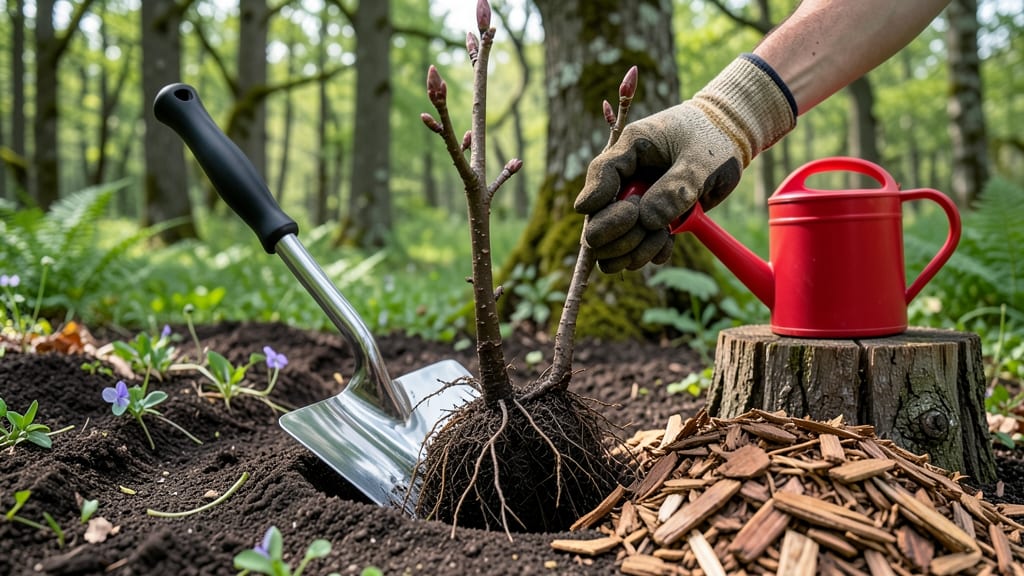
Planting a tree on Earth Day isn’t just about digging a hole—it’s about planting hope for the planet. 🌱 Every year, millions of trees go into the ground on April 22nd, but the ones that thrive start with the right species and a little extra care.
I’ve learned that fast-growing native trees like red maples or serviceberries make the biggest difference for wildlife and carbon capture, while fruit trees add a bonus harvest for your community.
The key is timing: plant when soil is workable but not frozen, usually 2-4 weeks before or after Earth Day depending on your zone. Most nurseries sell bare-root saplings by then, which are cheaper and establish faster than potted trees.
Just avoid planting in extreme heat or drought—your tree’s first weeks are critical for survival.
By the end of the season, you’ll have a living legacy that cleans the air, cools the neighborhood, and supports birds and pollinators. The best part? You’re not just planting a tree—you’re joining a global movement. Whether it’s in your yard, a park, or a school garden, every tree counts.
Pro tip: Involve kids or neighbors—they’ll remember the day they helped the Earth grow. Mulch well, water deeply, and stake young trees to give them the strongest start. Your Earth Day tree could live for decades, so plant it like it’s your own future growing in the soil.
📚 In This Guide
- What you need
- Instructions
- Tips and common mistakes
- Wrapping up and next steps
What you need
- ● Tree sapling: Choose a native, fast-growing species (e.g., oak, maple, or fruit trees). Quantity: 1 per planting site.
- ● Shovel or trowel: A sturdy digging tool (18–24" deep for most saplings).
- ● Watering can or hose: With a gentle spray nozzle for hydration.
- ○ Mulch (optional but recommended): Shredded bark or compost (2–3 inches thick).
- ● Stakes & ties (if needed): For young or windy areas (2 stakes + soft ties).
- ● Gloves: Heavy-duty work gloves to protect your hands.
- ● Pruning shears: For trimming dead branches (small pair, ~$10).
- ○ Soil test kit (optional): To check pH/nutrients (available at garden centers).
- ● Fertilizer (slow-release): Organic options like compost or worm castings.
- ● Marking flags: To label the tree species/planting date.
- ○ Kid-friendly tools (optional): Mini shovels or watering cans for family involvement!
- ● Check local regulations: Some areas require permits for tree planting.
- ● Test soil drainage: Dig a small hole (12" deep) to ensure water doesn’t pool.
- ● Pick a sunny spot: Most trees need 6+ hours of sunlight daily.
- ● Plan for spacing: Mature tree size matters—check recommended distances!
Step-by-Step instructions for planting a tree on Earth Day
Here's how to plant a tree that will thrive for years—simple steps for a lasting impact.
🌱 Step 1: Choose the Right Tree and Location
Pick a native tree species suited to your climate zone—it’ll need less water and care. I always check local guidelines to avoid invasive species that can harm ecosystems. The spot should get at least 6 hours of sunlight daily and have 6-10 feet of clearance around the trunk for mature growth.
Dig a test hole to check soil depth and drainage. If water pools after 30 minutes, amend the soil with compost or plant in a raised bed. Avoid low spots where water collects—root rot is the silent killer of young trees.
🪴 Step 2: Prepare the Planting Hole
Dig a hole twice as wide as the root ball but no deeper—planting too deep suffocates roots and causes stress. Loosen the sides of the hole with a shovel to help roots spread easily. The goal is to create a natural environment where roots can grow outward without resistance.
Mix the removed soil with compost or well-rotted manure to enrich it. This ensures your tree gets a nutrient boost right from the start. I like to add a handful of mycorrhizal fungi too—it helps roots establish faster by forming beneficial partnerships with soil microbes.
☀️ Step 3: Plant the Tree Properly
Gently remove the tree from its container and loosen any circling roots with your fingers—these can strangle the tree as it grows. Place it in the hole so the top of the root ball sits level with the surrounding soil. Fill the hole halfway, then water deeply to settle the soil and remove air pockets.
Finish filling the hole, tamping soil lightly around the edges to eliminate gaps. The root flare (where roots meet the trunk) should be visible above the soil line. If buried too deep, the tree can suffocate. Water again until the soil is moist 12 inches down.
💧 Step 4: Mulch and Water for Long-Term Health
Spread 3-4 inches of mulch (wood chips or straw) in a 3-foot diameter circle around the base, keeping it 6 inches away from the trunk to prevent rot. Mulch locks in moisture and regulates soil temperature—critical for young trees in hot or cold climates.
Water deeply once a week for the first year, ensuring moisture reaches 12 inches down. You’ll know it’s enough when water drains through the soil. Overwatering is just as harmful as underwatering—soil should feel damp but not soggy. After the first year, most trees need water only during dry spells.
⏰ Step 5: Protect and Monitor Growth
Install a tree guard (metal or plastic) to shield the trunk from rodents and lawnmowers. Stake the tree only if necessary—overly tight stakes can girdle the trunk as it grows. I use soft ties and check them monthly to ensure they’re not cutting into the bark.
Inspect the tree monthly for signs of stress: yellowing leaves, wilting, or fungal growth on the trunk. Adjust watering if the soil feels too dry or too wet. Native trees handle pests better, but a quick spray of neem oil can deter early invaders. In 3-5 years, your tree will be self-sufficient!
Tips & tricks for planting a thriving Earth Day tree
Real talk: Even the best-intentioned tree planting can go wrong if you miss these key details.
Location Intelligence: That 6-hour sunlight rule is non-negotiable for most trees. I once planted a shade-loving tree in full sun—it struggled for years. Check your yard's sun patterns throughout the day, not just the current season. Morning sun is gentler than afternoon heat, so position accordingly. And remember: mature tree clearance means 10 feet for large species like oaks, not just the young sapling.
Drainage Test: The 30-minute water test in Step 1 is your best friend. If water pools beyond this time, you're dealing with compacted soil. I've seen root rot destroy trees planted in "perfect" spots that failed this test. For heavy clay soils, mix in compost or create a raised bed—it's worth the extra effort for long-term health.
Root Care Secrets: Those circling roots in Step 3? They're actually a nursery trick to keep roots contained during shipping. Gently tease them apart with your fingers—don't cut them. I've seen people skip this and end up with trees that can't spread properly. For container-grown trees, soak the root ball before planting to reduce transplant shock. The goal is to mimic natural root growth patterns as closely as possible.
Mulch Mastery: That 3-4 inch mulch layer isn't just decoration—it's a moisture regulator and temperature insulator. I recommend using wood chips over straw because they break down slowly and improve soil structure over time. The key is keeping it 6 inches away from the trunk to prevent rot. Think of it like a cozy blanket for your tree's roots, not a smothering cover.
Pro Tips for Plant A Tree On Earth Day
- Real talk: Even the best-intentioned tree planting can go wrong if you miss these key details.
- Location Intelligence: That 6-hour sunlight rule is non-negotiable for most trees.
- Drainage Test: The 30-minute water test in Step 1 is your best friend.
Frequently asked questions
Got questions about planting a tree on Earth Day? You’re not alone! Here are some common queries—and expert answers—to help you get started with confidence.
What’s the best type of tree to plant for Earth Day?
Choose native species! They thrive in your local climate, support wildlife, and require less water. Fast-growing trees like red maple or silver birch are great for quick impact, while oak or pine offer long-term benefits. Check with local nurseries or conservation groups for tailored recommendations.
When is the absolute best time to plant a tree on Earth Day?
Earth Day (April 22) is a fantastic time to plant in most regions! Aim for early spring when the ground is thawed but before extreme heat arrives. If you miss it, late fall (before frost) is the next best window. Avoid planting during droughts or freezing temperatures—your tree will thank you!
How much does it cost to plant a tree on Earth Day?
Costs vary! A sapling from a nursery typically runs $10–$50, while larger trees or professional planting services can cost $100–$300+. Many communities offer free tree giveaways or discounts on Earth Day—call local parks departments or environmental orgs to save.
Can I plant a tree in a pot or small space?
Container gardening is perfect for balconies, patios, or urban areas. Opt for dwarf varieties like Japanese maple or dwarf fruit trees. Just ensure the pot has drainage holes and use high-quality potting soil. With proper care, potted trees can live for years—then transplant them later!
What if my tree doesn’t survive? How can I troubleshoot?
Don’t worry—even "failed" plantings teach valuable lessons! Check for poor soil (amend with compost), over/under-watering (stick your finger in the soil!), or pests (neem oil helps). If the tree wilts, trim dead branches and mulch well. Many nurseries offer replacement guarantees, so ask before buying.
Still unsure? Drop your question in the comments—we’re happy to help your tree grow strong!
Wrapping up and next steps
Planting a tree on Earth Day isn’t just about digging a hole—it’s a powerful promise to our planet and future generations. 🌱 Every seed you plant today grows into hope for cleaner air, thriving wildlife, and a healthier Earth.
Whether you’re a gardening pro or a newbie, your effort matters, and it’s never too late to start.
Ready to take action? Pick a spot, grab your tools, and plant that tree! Share your progress with friends or join a local initiative—because together, we can turn small roots into a global movement. Let’s grow a greener tomorrow, one tree at a time! 🌎✨