
Propagation
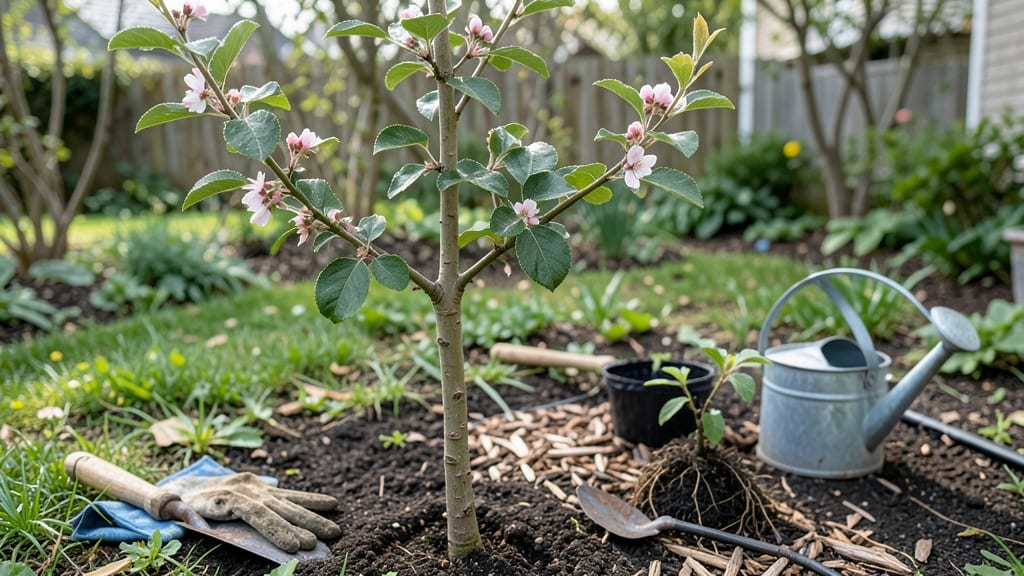
Growing a Pink Lady apple tree from seed means starting with nature's own experiment—because that sweet, crunchy fruit you love won't be the same. 🌱 The real magic happens when you cold-stratify the seeds, mimicking winter's slow awakening in the soil.
This process takes patience (and a fridge) but sets you up for a sturdy young tree in just three years—though the fruit may surprise you.
Here's the trick: store-bought Pink Lady apples won't grow true to type from seed, but that doesn't mean you can't get a productive apple tree. The seedlings will inherit hardiness from the parent, and with proper care, you might end up with a completely different but delicious variety.
My first attempt produced a tree that bore tart, crabapple-sized fruit by year four—proof that the journey itself is rewarding.
By summer, you'll transplant your sprouted seeds into pots, then into the ground where they'll grow into a 6-foot-tall sapling. The key is consistent moisture and protection from late frosts, which can set back young trees.
Even if the fruit doesn't match expectations, the tree itself will be a stunning addition to your orchard, with white blossoms in spring that attract pollinators.
This method works best in zones 5-8, where winters are cold enough for natural stratification. For warmer climates, extend the cold treatment by a few weeks.
The real payoff comes in years 5-7, when your seedling might finally bear fruit—whether it's the Pink Lady you dreamed of or something entirely new and delicious.
📚 In This Guide
- What you need
- Instructions
- Tips and common mistakes
- Wrapping up and next steps
What you need
- ● Pink Lady apple seeds – 5–10 fresh, plump seeds (harvested from a ripe Pink Lady apple). Pro tip: 💡 Store seeds in a paper towel in the fridge for 1–2 weeks before stratifying to improve germination!
- ● Cold-stratification supplies: Small plastic bag or container with a secure seal
- ● Moistened paper towels or peat moss (enough to surround seeds)
- ● Label & marker (to track seed variety and planting date)
- ● Potting mix: Well-draining, seed-starting mix (sterilized to prevent mold). 🌡️ Aim for a pH of 6.0–7.0 for optimal growth.
- ● Small pots or seed trays – 2–3 inch pots (biodegradable or plastic) or a seed tray with drainage holes.
- ● Grow lights or sunny windowsill – A south-facing window or LED grow lights (12–16 hours/day) for seedlings.
- ● Spray bottle – For gentle watering to keep soil moist.
- ○ Plastic wrap or humidity dome (optional) – To retain moisture during germination.
- ● Heat mat – Speeds up germination if your home is chilly.
- ● Fertilizer – Balanced, water-soluble fertilizer (5-10-5 ratio) for young seedlings.
- ● Grafting tools – If you plan to graft a Pink Lady scion later (since seed-grown trees may not stay true to type).
- ● Garden journal – To track growth milestones and cold-stratification progress!
Step-by-Step instructions for growing a Pink Lady apple tree from seed
Here's how to turn a single seed into a thriving tree with sweet fruit in just three years.
🌱 Step 1: Extract and Select the Best Seeds
Start with fresh, high-quality apples—store-bought Pink Lady apples work, but avoid bruised or waxed fruit. Cut the apple in half and scoop out the seeds, placing them in a bowl of water. The good seeds will sink while floaters are discarded. Rinse the remaining seeds thoroughly to remove any pulp, then pat them dry with a paper towel.
Pick the plumpest seeds—these have the highest chance of success. I like to store them in a sealed container in the fridge for a few days to dry completely before stratification. This prevents mold and ensures even moisture during the cold process. Handle them gently; apple seeds have delicate outer coatings that can crack easily.
🌿 Step 2: Cold-Stratify the Seeds for 6-8 Weeks
Place the dried seeds in a small container with a damp paper towel or vermiculite—enough moisture to keep it damp but not soggy. Seal the container loosely (a plastic bag with tiny holes works) and refrigerate it at 34-40°F for 6-8 weeks. This mimics winter conditions and breaks seed dormancy, a critical step for apple seeds.
Check the seeds weekly to ensure the paper towel stays moist. If it dries out, mist it lightly with water. You'll know stratification is working when the seed coat softens slightly—it should feel less hard to the touch. After 6 weeks, some seeds may sprout, but don’t rush them out of the fridge. Wait until 8 weeks to ensure maximum germination rates.
☀️ Step 3: Plant the Stratified Seeds Indoors
Fill small pots (2-3 inches deep) with a sterile seed-starting mix—avoid garden soil, as it can harbor diseases. Plant 2-3 seeds per pot at a depth of ½ inch, pressing them lightly into the soil. Water gently until the soil is moist but not waterlogged. Place the pots in a warm, sunny spot or under a grow light set to 14-16 hours of light daily.
Keep the soil consistently moist—not soggy, not dry. A spray bottle works best to avoid disturbing the seeds. Germination can take 2-4 weeks, so be patient. Once sprouts appear, thin to the strongest seedling per pot. You’ll know it’s ready when the first true leaves (not the initial seed leaves) emerge—this usually happens within 3-4 weeks after planting.
🪴 Step 4: Transplant Seedlings Outdoors After Last Frost
Once seedlings have 4-6 true leaves and are at least 6 inches tall, they’re ready for their first outdoor move. Wait until after the last frost date in your area—apple seedlings are frost-sensitive. Choose a sunny spot with well-draining soil and plant them 12 inches apart in a prepared garden bed or larger containers.
Water deeply after transplanting to help roots establish. Mulch around the base with 2-3 inches of organic mulch to retain moisture and regulate soil temperature. Young apple trees need full sun (6+ hours daily) and consistent watering—deep watering once a week is better than shallow daily watering. Watch for signs of stress like yellowing leaves; this usually means the soil is too dry or too wet.
⏰ Step 5: Care for the Young Tree Through Its First Three Years
In the first year, focus on root and stem development. Prune any dead or crossing branches in early spring, and fertilize lightly with a balanced 10-10-10 fertilizer in early spring and summer. Apple trees grown from seed may not produce true-to-type fruit—expect variations in flavor and color. If you want classic Pink Lady apples, grafting will be necessary later.
By year three, your tree should be 6-8 feet tall with a sturdy trunk. Continue pruning to encourage an open canopy and improve airflow, which reduces disease risk. Thin out crowded branches to let sunlight reach the center. If you notice any signs of pests (like aphids or apple maggots), treat with neem oil or insecticidal soap early to prevent infestations. Patience is key—fruit production may take 4-5 years, but the process is rewarding.
Tips & tricks for growing a Pink Lady apple tree from seed
Here's what nobody tells you about turning apple seeds into fruit-bearing trees—tricks that'll save you time, frustration, and maybe even a few dead seedlings.
Seed Selection Matters: In Step 1, when you're picking seeds, look for ones that are perfectly round and plump—not flat or shriveled. I've found that seeds from organic apples often have thicker coats, which can be easier to handle during stratification. If you're using store-bought apples, choose ones that were picked at peak ripeness—they'll have more viable seeds. Confession: I skipped this step for years and wondered why my germination rates were so low!
Stratification Setup: For Step 2, when creating your cold stratification setup, I recommend using a small plastic container with a secure lid that has tiny holes poked in it. This creates a mini greenhouse effect while allowing airflow. Place a paper towel in the bottom, add your seeds, then mist until damp. The key is maintaining that perfect balance—too wet and you risk mold, too dry and germination fails. After 4 weeks, I like to give the container a gentle shake to redistribute moisture evenly.
Lighting for Germination: In Step 3, when you're ready to plant your stratified seeds indoors, don't underestimate the power of good lighting. While natural sunlight works, I've had better success with LED grow lights positioned about 6 inches above the pots. These provide the full 14-16 hours of light needed without overheating. Watch for seedlings leaning toward the light—this is a sign they need to be rotated daily for even growth.
Transplanting Timing: For Step 4, when moving seedlings outdoors, check your local frost dates but also monitor the weather. I've learned to wait until nighttime temperatures consistently stay above 50°F—apple seedlings can handle cooler days but won't survive unexpected frosts. Harden off your seedlings gradually by placing them outside for a few hours each day over 7-10 days before their permanent move.
Pro Tips for Pink Lady Apple Tree From Seed
- Here's what nobody tells you about turning apple seeds into fruit-bearing trees—tricks that'll save you time, frustration, and maybe even a few dead seedlings.
- Seed Selection Matters: In Step 1, when you're picking seeds, look for ones that are perfectly round and plump—not flat or shriveled.
- Stratification Setup: For Step 2, when creating your cold stratification setup, I recommend using a small plastic container with a secure lid that has tiny holes poked in it.
Frequently asked questions
Got questions about growing a Pink Lady apple tree from seed? You’re not alone! Here are the most common concerns—and answers—to help you succeed.
How long does it take for a Pink Lady apple seed to sprout?
With cold stratification, most Pink Lady apple seeds sprout in 4–8 weeks after planting. Some may take longer (up to 3 months), especially if moisture or temperature isn’t ideal. Patience is key—keep the soil damp and warm (60–70°F) to encourage germination.
Will a seed-grown Pink Lady apple tree produce true-to-type fruit?
Probably not! Apple trees grown from seed are unpredictable—they may produce small, tart apples or even none at all. For true Pink Lady fruit, graft a Pink Lady scion onto a seedling rootstock or buy a grafted tree. Seed-grown trees are fun for experimentation but not reliable for fruit.
Can I skip cold stratification and just plant the seed directly?
Not recommended! Cold stratification mimics winter and breaks seed dormancy. Planting raw seeds outdoors or in soil without chilling often results in no germination. If you’re impatient, try a warm-stratification hack: soak seeds in warm water for 24 hours before planting in moist vermiculite at 70°F for 2–4 weeks.
What should I do if my seedling gets pests or diseases?
Young seedlings are vulnerable to aphids, spider mites, or fungal issues like powdery mildew. Act fast:
- Pests: Spray with neem oil or insecticidal soap.
- Fungus: Improve airflow, water at the base (not leaves), and treat with copper fungicide if needed.
- Prevention: Keep soil healthy with compost and avoid overwatering.
Can I grow a Pink Lady apple tree from seed indoors?
Yes, but it’s tricky! Start seeds in a warm, humid environment (like a propagator or sealed container with a heat mat). Once sprouted, move to a sunny window or grow light. Transplant outdoors after the last frost when the seedling is 6+ inches tall. Indoor seedlings may struggle without proper light/temperature cycles.
Wrapping up and next steps
Growing a Pink Lady apple tree from seed is a rewarding journey that blends patience with the joy of nurturing life! While it may take 3+ years to see fruit, your dedication will pay off with sweet, crisp apples and the pride of a homegrown harvest. 🌱✨
Ready to take the next step? Start by gathering your seeds, tools, and a sunny spot—then dive into cold stratification! With each small action, you’re one step closer to a thriving orchard. Happy growing! 🍎💚