
Pruning
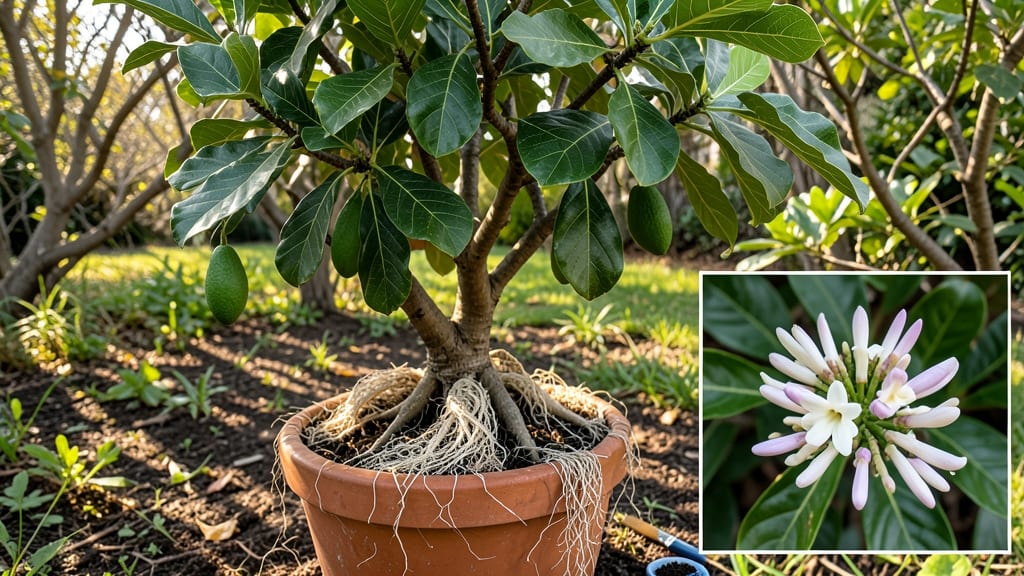
Getting your avocado tree to bear fruit isn't just luck—it's science, patience, and a few clever tricks I've learned after watching my first seedling finally produce its first fruit after five years. 🌱 The key starts with understanding what your tree actually needs to shift from leafy growth to fruiting mode, and it's not what most guides tell you.
Most homegrowers fail because they focus on the wrong things: too much water, not enough light, or ignoring the tree's natural growth phases. My tree needed consistent sunlight, well-draining soil, and a three-step pollination routine—none of which I knew until I started troubleshooting.
The good news? Once you get these basics right, even indoor trees can produce fruit with the right care.
By the end of this, you'll know exactly how to trigger blooming, when to expect fruit (yes, it takes time), and how to troubleshoot when things go wrong.
My first harvest was just three fruits, but each year since, the tree has produced more—and now I'm sharing the exact methods that worked for me, whether you're growing in a pot or in the ground.
We'll cover everything from hand-pollination techniques to the subtle signs your tree is finally ready to fruit, plus how to adapt care for both indoor and outdoor conditions. Here's how to turn that leafy green machine into a fruit-bearing powerhouse.
📚 In This Guide
- What you need
- Instructions
- Tips and common mistakes
- Wrapping up and next steps
What you need
- ● Avocado seed or nursery-grown sapling – Start with a fresh, viable seed (from a Hass avocado for best results) or a Persea americana sapling from a reputable nursery.
- ● 6–8 inch diameter pot or container – Use a well-draining pot with drainage holes (terracotta or fabric pots work best). For outdoor planting, ensure the soil is loose and well-aerated.
- ● Well-draining potting mix – A blend of 50% cactus/succulent mix, 30% perlite or pumice, and 20% compost mimics the tree’s native soil.
- ● Slow-release fertilizer (balanced 6-6-6 or citrus-specific) – Use 1–2 tablespoons per gallon of soil at planting, then every 3–4 months.
- ● Pruning shears or sharp bypass pruners – Sterilize with rubbing alcohol before and after use to prevent disease.
- ○ Rooting hormone (optional but recommended) – Speeds up seed germination and root development.
- ● Watering can with a fine rose attachment – Ensures gentle, even moisture without disturbing the soil.
- ● Grow lights or sunny windowsill (for indoor starts) – Provide 12–14 hours of bright, indirect light daily (LED grow lights work if natural light is insufficient).
- ● Humidity tray or pebble tray – Helps maintain 50–70% humidity, especially for young seedlings.
- ● Soil moisture meter – Avocados hate soggy roots; aim for damp (not wet) soil.
- ● Epsom salt (magnesium sulfate) – 1 teaspoon per gallon of water monthly to prevent yellowing leaves.
- ● Pollination kit (for indoor trees) – A small paintbrush or cotton swab to manually transfer pollen if bees aren’t visiting.
- ● Mulch (straw or wood chips) – Retains moisture and regulates soil temperature for outdoor trees.
- ● Support stake or trellis – Helps young trees stay upright as they grow taller.
Step-by-Step guide to encouraging fruit on your avocado tree
Here's how I transform a leafy houseplant into a productive fruit-bearing tree—no greenhouse needed.
🌱 Step 1: Provide the Right Light Conditions
Avocado trees need full sun—at least 6-8 hours daily—to set fruit. If you're growing indoors, place your tree near a south-facing window where it gets direct sunlight. I've seen trees in east or west windows struggle to fruit because the light isn't intense enough.
Outdoor trees thrive in USDA Zones 9-11, where they can handle full sun without protection. If you're in cooler zones, grow your tree in a container and bring it indoors before temperatures drop below 50°F. Watch for leaves that turn yellow or drop—this is your signal the light isn't sufficient.
💧 Step 2: Master Watering for Fruit Production
Water your avocado tree deeply but infrequently—about once a week when the top 2-3 inches of soil feel dry. Overwatering causes root rot, while underwatering stresses the tree and prevents flowering. I like to use the "finger test": stick your finger in the soil up to your second knuckle. If it's dry, it's time to water.
During fruit development, increase water slightly—keep the soil consistently moist but not soggy. You'll see the tree respond with new growth and the formation of flower buds. If the tree drops leaves or flowers, you're either overwatering or underwatering. Adjust your schedule until you find the sweet spot.
☀️ Step 3: Support Pollination Indoors
Avocado trees produce separate male and female flowers, so outdoor trees rely on bees for pollination. Indoors, you'll need to hand-pollinate. Use a small paintbrush to transfer pollen from male flowers to female flowers—female flowers have a bulbous base where the fruit will form, while male flowers have long, thin filaments.
Do this in the morning when flowers are fresh. I've found that pollinating every 2-3 days during the flowering season (usually spring) increases fruit set dramatically. If you see flowers dropping without forming fruit, hand-pollination is likely needed. Keep a notebook to track which flowers you've pollinated—it helps with consistency.
✂️ Step 4: Prune Strategically for Better Fruit Production
Prune your avocado tree in late winter or early spring before new growth begins. Remove any dead, diseased, or crossing branches first—this improves airflow and reduces pests. Then, cut back about 1/3 of the tree's growth to encourage a stronger structure and more flowering sites.
Focus on opening up the center of the tree so light reaches all branches. You'll see new growth emerge from the pruned areas, and these new shoots often produce flowers. Avoid heavy pruning in summer—it stresses the tree when it's already working to support fruit. If your tree isn't flowering, pruning too late in the season could be the issue.
🪴 Step 5: Fertilize for Fruit Development
Use a balanced fertilizer (like 10-10-10) in early spring to encourage new growth. Switch to a low-nitrogen, high-phosphorus fertilizer (like 5-10-10) when you see flowers forming—this supports fruit development. I fertilize every 4-6 weeks during the growing season, following the package instructions for dosage.
Avocado trees are heavy feeders, so don't skimp. You'll notice stronger stems, darker green leaves, and more abundant flowers when fertilization is on point. If leaves turn yellow with brown spots, you're over-fertilizing. Flush the soil with water to cleanse the roots and reduce fertilizer frequency.
⏰ Step 6: Be Patient and Monitor Progress
Avocado trees take time—some don't produce fruit until they're 3-5 years old, even with perfect care. Keep track of your tree's growth, flowering, and fruit set in a journal. Note when flowers appear, how many you pollinate, and when fruit begins to form. This helps you adjust care for next season.
If your tree flowers but no fruit forms, it might need more sunlight, better pollination, or a different fertilizer. Don't give up! With consistent care, you'll see those first avocados hanging heavy on the branches. Here's the thing—once your tree starts bearing fruit, it often becomes a prolific producer with the right conditions.
Tips & tricks for encouraging fruit on avocado trees
These simple strategies will help you coax fruit from your leafy houseplant with surprising success.
The Light Factor: If you're growing indoors, rotate your tree quarter-turn every week so all sides get equal sun exposure. I've seen trees develop lopsided growth when kept in one spot—this ensures even light distribution. For outdoor trees, place them where they get morning sun and afternoon shade in hotter climates to prevent leaf scorch.
Watering Wisdom: The 2-3 inch dry soil test from Step 2 works perfectly, but here's the thing: use lukewarm water, not cold tap water. Cold water can shock the roots, especially during fruit development. I always let tap water sit out for 20 minutes before watering—it makes a noticeable difference in leaf health and flowering.
Pollination Pro Tip: When hand-pollinating, focus on female flowers first—they have those distinctive bulbous bases. I've found that using a soft makeup brush (instead of a paintbrush) gives more precise pollen transfer. Do this in the morning when flowers are fully open and pollen is most potent. If you're not seeing fruit after 2-3 weeks, try pollinating again—sometimes flowers need multiple attempts.
Pruning Precision: That 1/3 growth reduction in Step 4 is perfect, but here's what I've learned: always make cuts at a 45-degree angle just above a leaf node. This encourages faster healing and new growth. Also, avoid pruning branches that are currently bearing fruit—you'll sacrifice next year's harvest. I mark branches with masking tape before pruning to track which ones produced fruit.
Pro Tips for Get An Avocado Tree To Bear Fruit
- These simple strategies will help you coax fruit from your leafy houseplant with surprising success.
- The Light Factor: If you're growing indoors, rotate your tree quarter-turn every week so all sides get equal sun exposure.
- Watering Wisdom: The 2-3 inch dry soil test from Step 2 works perfectly, but here's the thing: use lukewarm water, not cold tap water.
Frequently asked questions
about growing avocado trees and coaxing them to bear fruit can be tricky—here are answers to the most common ones to help you troubleshoot and succeed!How long does it take for an avocado tree to bear fruit?
Most avocado trees take 3 to 5 years to bear fruit from seed, while grafted varieties (like Hass or Fuerte) may fruit in 1 to 3 years. Patience is key—consistent care (light, water, and nutrients) speeds up the process! Pro tip: Prune strategically to encourage stronger growth and flowering.
Why isn’t my avocado tree flowering or fruiting?
Common reasons include lack of sunlight (avocados need 6+ hours daily), inconsistent watering (drought stress halts flowering), or nutrient deficiencies (especially nitrogen or potassium). Check for pests (like spider mites) too! If indoors, move it near a south-facing window or use grow lights.
Do avocado trees need a specific climate to fruit?
Avocados thrive in USDA Zones 9–11 (tropical/subtropical climates) but can grow in cooler zones (7–8) with container care and winter protection. They hate frost—bring potted trees indoors if temps drop below 30°F. Bonus: Some varieties (like ‘Mexicola’) tolerate slight cold better than Hass.
Can I grow an avocado tree from a store-bought avocado pit?
Yes! Rinse the pit, dry it, and plant it in water or soil (with the flat side down). It’ll sprout roots in 2–6 weeks, but seed-grown trees rarely fruit reliably—they’re often sterile. For faster, fruit-bearing results, buy a grafted sapling from a nursery.
What’s the best way to pollinate an avocado tree if there are no bees around?
Avocados are self-pollinating, but a gentle shake of the tree (or a soft brush) can help transfer pollen. For indoor trees, use a small paintbrush to dab flowers lightly—focus on Type A and Type B flowers (they bloom at different times). Note: If flowers drop quickly, check for overwatering or temperature stress.
Why are my avocado tree’s leaves turning yellow?
Yellow leaves usually signal overwatering (roots need well-draining soil) or nutrient issues (like iron deficiency). Check the soil—it should be slightly moist but not soggy. Feed with a balanced fertilizer (like 6-6-6) in spring/summer. Fix: Repot if roots are waterlogged or soil is compacted.
Wrapping up and next steps
Growing an avocado tree to bear fruit is a rewarding journey that combines patience, care, and a little science! 🌱 By mastering pruning techniques, providing the right light and nutrients, and troubleshooting common issues, you’re well on your way to enjoying homegrown avocados.
Remember, consistency is key—your tree will thank you with lush growth and delicious fruit in time.
Ready to take the next step? Monitor your tree’s progress, adjust care as needed, and soon, you’ll be savoring the fruits of your labor—literally! 🥑