
How To
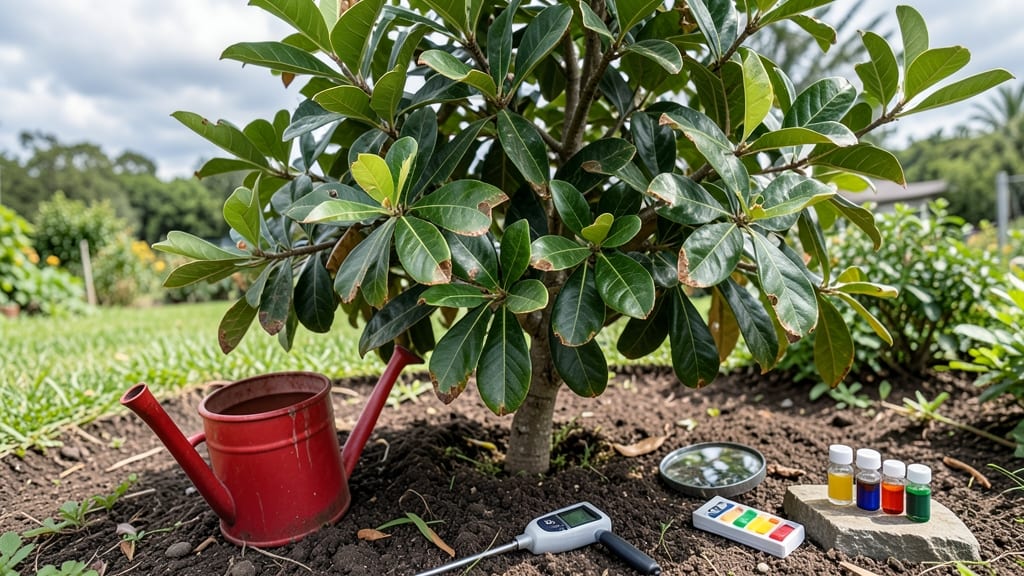
Brown leaf tips on your avocado tree mean one thing: it’s thirsty for balance. 🌿 I’ve nursed back more than a few sad-looking trees by fixing the watering routine—what seemed like a death sentence turned into a comeback story with just a few adjustments.
The real culprit is almost always overwatering—those crispy edges appear when roots sit in soggy soil, starving for oxygen. Check the top 2 inches of soil first: if it’s damp, hold off on watering.
Avocados hate wet feet but need consistent moisture, so aim for deep waterings every 7-10 days instead of light daily sprinkles.
Once you adjust the water, watch for new growth within 2-4 weeks. The leaves will soften, regain their glossy sheen, and stop curling at the edges. For extra insurance, flush the soil with water to clear out salt buildup, which worsens the problem.
This fix works for container-grown trees or in-ground plants—just match your watering to the pot size or soil type. If brown tips persist after 3 weeks, check for pests or nutrient deficiencies, but 9 times out of 10, water is the villain.
Root Causes Behind Leaf Discoloration
Understanding why your avocado tree’s leaves develop brown tips is the first step to restoring its health—and your green thumb’s confidence! 🌿 These symptoms rarely appear out of nowhere. Instead, they’re usually a cry for help from your tree, signaling an imbalance in its care.
Let’s break down the most common culprits, backed by science, so you can diagnose the issue like a pro.
---
💧 Why it happens: Avocado trees (Persea americana) are native to tropical climates where rainfall is frequent but the soil drains exceptionally well. When you overwater, you’re essentially suffocating the roots by depriving them of oxygen.
Here’s the science: - Root asphyxiation: Waterlogged soil displaces oxygen in the root zone, forcing roots to "drown."
Without oxygen, roots can’t absorb nutrients or water efficiently, leading to nutrient deficiency (especially potassium and magnesium). - Salt buildup: Excess water flushes nutrients out of the soil but leaves behind sodium and chloride salts, which accumulate in the root zone.
These salts draw moisture out of the leaves via osmotic pressure, causing the tips to dry out and brown. - Fungal infections: Stagnant water creates the perfect breeding ground for Phytophthora and other soil-borne fungi, which clog root cells and disrupt nutrient transport.
🔍 Actionable clue: Check the soil 2–3 inches below the surface. If it’s soggy (like a damp sponge) or smells sour, overwatering is likely the culprit.
---
🌵 Why it happens: While overwatering is the usual suspect, underwatering can also trigger brown tips—though the process is subtly different. Here’s how it unfolds: - Transpiration imbalance: When soil moisture drops too low, the tree’s roots struggle to pull water upward through the xylem (vascular tissue).
This causes water stress, where leaves lose turgor pressure and edges dry out. - Mineral lockout: Dry soil binds nutrients (like calcium and boron) too tightly for roots to access.
Without these minerals, new leaf cells develop weak cell walls, making them prone to browning. - Root shrinkage: Chronic drought forces roots to shrink in size, reducing their surface area for absorption. The tree prioritizes water to older leaves, leaving new growth (and tips) high and dry.
💡 Pro tip: Stick your finger in the soil—if it feels drier than a desert cactus’s skin, it’s time to water. Avocado trees prefer consistently moist but never soggy soil.
---
🍃 Why it happens: Brown tips can be a visual SOS for specific nutrient shortages.
Here’s which nutrients are usually to blame and why: - Potassium (K) deficiency: - Role: Regulates water movement and enzyme activity in cells. - Symptoms: Brown, crispy tips that spread inward (often on older leaves first). - Why it happens: Potassium leaches quickly in sandy or overwatered soils.
Avocados are heavy feeders and deplete soil reserves fast. - Magnesium (Mg) deficiency: - Role: Central atom in chlorophyll (the green pigment in leaves). - Symptoms: Interveinal browning (brown patches between veins) that starts at the tips. - Why it happens: Magnesium is immobile in plants—once it’s tied up in older leaves, new growth can’t access it.
Overwatering or high soil pH (>7.0) locks it out. - Calcium (Ca) deficiency: - Role: Strengthens cell walls and membrane integrity. - Symptoms: Tips curl and brown, often with blister-like spots (a sign of poor cell structure). - Why it happens: Calcium is plentiful in soil but immobile in plants, so deficiencies show up in new growth first.
Compacted or waterlogged soil prevents root uptake.
📊 Quick test: Send a soil sample to a local extension office for a nutrient analysis. Avocados thrive in soil with a pH of 6.0–7.0 and balanced NPK (nitrogen-phosphorus-potassium) ratios.
---
🌡️ Why it happens: Avocado trees are tropical babies—they hate sudden environmental shocks.
These factors can scorch leaves faster than a summer sunburn: - High temperatures + low humidity: - Leaves lose moisture through stomata (tiny pores) faster than roots can replace it, leading to desiccation (drying out) at the tips. - Fix: Mulch heavily (3–4 inches) to retain soil moisture and reduce temperature fluctuations. - Salt burn (from tap water or fertilizer): - Municipal water often contains chloride and sodium, which accumulate in leaf tissue.
When concentrations get too high, cells plasmolyze (shrink away from their walls), causing browning. - Fix: Use rainwater or filtered water for potted trees.
Flush the soil monthly with plain water to leach out salts. - Wind exposure: - Strong winds increase transpiration rates, pulling moisture from leaf edges before the tree can compensate.
Young, tender leaves are most vulnerable. - Fix: Plant avocados in sheltered spots or use windbreaks (like bamboo screens) in exposed areas.
--- 🐜 Why it happens: While less common, pests and diseases can also trigger brown tips by disrupting the tree’s ability to transport water and nutrients: - Spider mites: - These tiny pests pierce leaf cells, causing them to lose turgor and dry out from the edges inward.
They thrive in hot, dry conditions (ironically, the same stress that mimics underwatering). - Root rot (Phytophthora): - Fungal infections block xylem vessels, restricting water flow.
Brown tips appear alongside yellowing leaves, wilting, or blackened roots. - Scale insects: - They suck sap from leaves, leaving behind sticky honeydew that fosters sooty mold. This fungal growth smothers stomata, reducing gas exchange and causing browning.
🔥 First aid: Inspect leaves for webbing (mites), bumps (scale), or mold (sooty black film). Treat with neem oil or horticultural oil for pests; for root rot, adjust watering and improve drainage immediately.
Fixing Brown Leaf Tips Naturally
Now that you know the likely causes behind your avocado tree’s brown leaf tips, it’s time to take action! The good news? Most fixes are simple, cost-effective, and don’t require a green thumb.
Below, we’ve mapped out practical solutions for each common cause, along with prevention tips to keep your tree thriving. Let’s restore that lush, vibrant foliage!
---
Fix: Adjust your watering habits and improve soil conditions to prevent root stress.
1. 🔥 Let the Soil Dry Out - Stick your finger 2-3 inches deep into the soil. If it’s damp, wait before watering again. - Avocado trees prefer moderate moisture—they hate soggy roots! Water deeply but infrequently (about once a week, depending on climate).
2. 🍳 Improve Drainage - If your pot lacks drainage holes, repot your tree into one with holes or add a layer of gravel or perlite at the bottom. - For in-ground trees, consider amending the soil with compost or sand to improve aeration.
3. ⏰ Water in the Morning - Watering early allows excess moisture to evaporate, reducing fungal risks.
💡 Prevention Tip: Use a moisture meter to track soil hydration—no more guesswork!
---
Fix: Hydrate your tree properly and protect it from extreme heat.
1. 👨🍳 Water Deeply and Slowly - When watering, soak the soil until water drains from the bottom. Repeat every 5-7 days in hot weather. - Avoid shallow watering—it encourages weak root growth.
2. 🥘 Provide Shade (Temporarily) - If temperatures exceed 90°F (32°C), move potted trees to a shadier spot for a few hours. - Use lightweight shade cloth (30-50% coverage) for in-ground trees.
3. 🌡️ Mulch the Base - Apply 2-3 inches of mulch (straw, wood chips) to retain moisture and regulate soil temperature.
💡 Prevention Tip: Group avocado trees with other plants to create a microclimate with more stable humidity.
---
Fix: Boost essential nutrients with targeted fertilizers.
1. 🔪 Use a Balanced Fertilizer - Switch to a slow-release, organic fertilizer (like 6-6-6 or 10-10-10) in early spring and summer. - For magnesium deficiency, apply Epsom salt (1 tbsp per gallon of water) every 4-6 weeks.
2. 🥗 Compost Tea or Fish Emulsion - Mix compost tea or liquid fish emulsion into water and apply as a foliar spray or soil drench.
💡 Prevention Tip: Test your soil annually with a DIY kit to catch deficiencies early.
---
Fix: Identify the culprit and treat it naturally.
1. 🔥 Inspect for Pests - Check leaves for spider mites, scale, or aphids. Blast them off with water or use neem oil spray (1 tsp neem oil + 1 tsp mild soap per quart of water).
2. 🍳 Fungal Treatment - If brown tips are crusty or powdery, it may be powdery mildew. Spray with a baking soda mix (1 tsp baking soda + 1 quart water + a drop of dish soap).
3. ✨ Prune Affected Leaves - Trim only the brown tips (not entire leaves) to prevent spread. Sterilize pruners with rubbing alcohol.
💡 Prevention Tip: Encourage beneficial insects (like ladybugs) by planting marigolds or basil nearby.
---
Fix: Give your avocado tree a health checkup to prevent future issues.
1. 🌡️ Monitor Humidity - Avocado trees love 60-70% humidity. Use a humidifier near potted trees in dry climates.
2. 🍎 Prune for Airflow - Thin out crowded branches to improve air circulation and reduce disease risk.
3. 🎯 Repot if Needed - If roots are circling the pot, repot into a slightly larger container with fresh, well-draining soil.
---
Brown leaf tips won’t disappear overnight, but with consistent care, your avocado tree should bounce back in 4-6 weeks. Keep an eye on its progress and adjust as needed—your tree will thank you with glossy, green leaves and maybe even a delicious harvest!
💡 Pro Tip: Take before-and-after photos to track improvements—it’s motivating!
Frequently asked questions
Why do my avocado tree's leaves only get brown tips instead of turning completely brown?
Brown tips typically indicate water stress or nutrient imbalances rather than a full leaf die-off. The edges dry out first because they have the thinnest cell walls, making them most vulnerable to moisture loss or salt buildup from overwatering. Complete browning would suggest more severe issues like root rot or extreme dehydration.
Can I save my avocado tree if the brown tips have spread to half the leaf?
Yes, but act quickly! Trim away only the brown portions (never entire leaves) to prevent further damage. Focus on adjusting watering (deep but infrequent) and check for pests. With proper care, new growth should emerge within 4-6 weeks, though severely damaged leaves won't recover.
Is tap water safe for my avocado tree if I notice brown tips?
Tap water may contain chloride and sodium that accumulate in soil, causing brown tips. For potted trees, use filtered or rainwater. Flush the soil monthly by watering until it drains completely to reduce salt buildup. If you must use tap water, let it sit out for 24 hours before using to allow chlorine to dissipate.
Why do my avocado tree's new leaves have brown tips while older leaves stay green?
This pattern usually signals a calcium or boron deficiency, as these nutrients are immobile in plants. New growth shows symptoms first because it can't access these minerals from older leaves. Test your soil and apply Epsom salt (for magnesium) or calcium nitrate (for calcium) according to package instructions.
How often should I fertilize my avocado tree if it has brown leaf tips?
Start with a balanced organic fertilizer (like 6-6-6) every 6-8 weeks during growing season (spring-fall). Avoid fertilizing if the soil is waterlogged—roots need oxygen to absorb nutrients. For potted trees, reduce fertilizer by half to prevent salt buildup, which worsens brown tips.