
Trees
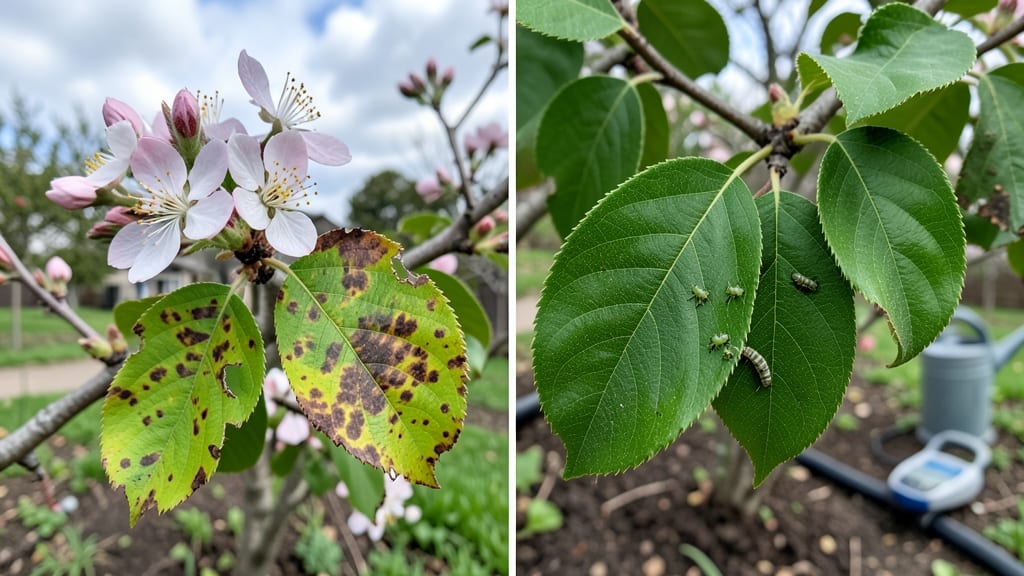
A peach tree losing leaves can feel like a death sentence—but it’s often a fixable crisis. 🌿 I’ve nursed back trees with root rot, fungal infections, and even girdling pests, and the key is acting fast.
The first step is identifying whether your tree’s stress is from too much water, a hidden disease, or something else entirely.
Root rot is the most common culprit when peach trees suddenly shed leaves, especially after heavy rain or poor drainage. You’ll spot it through yellowing leaves, stunted growth, and a foul smell at the base.
The good news? Pruning affected roots, improving drainage, and adjusting watering can turn things around in as little as 4-6 weeks with consistent care.
If it’s not root rot, check for fungal diseases like peach leaf curl or bacterial spot—both leave distinct marks on leaves and branches. A copper fungicide spray in early spring stops these in their tracks.
Pests like aphids or spider mites also drain a tree’s energy, but a strong spray of water or insecticidal soap clears them up quickly.
Prevention is easier than rescue: test your soil, mulch properly, and water deeply but infrequently. With the right approach, your peach tree can bounce back—and next year’s harvest will be sweeter than ever.
Root Causes Of Leaf Loss
When your peach tree starts shedding leaves unexpectedly, it’s often a cry for help from beneath the soil—or from unseen threats above. Understanding the why behind the problem is the first step to saving your tree.
Below, we break down the most common culprits, from environmental stressors to hidden diseases, with science-backed explanations to help you diagnose the issue accurately.
Peach trees thrive in USDA Zones 5–9, but sudden shifts—like late spring frosts or scorching summer heat—can shock the tree into dropping leaves. Cold snaps damage delicate new growth, while heatwaves cause physiological drought stress, forcing the tree to shed foliage to conserve water.
- Science behind it: Low temperatures (<32°F) disrupt cell membranes in leaves, leading to necrosis (dead tissue). High heat (>95°F) accelerates transpiration, outpacing root water uptake.
- Actionable clue: Look for brown, crispy edges on leaves (heat stress) or blackened, wilted tips (frost damage).
Peach trees hate soggy feet. Overwatering or compacted soil leads to root rot (caused by fungi like Phytophthora), which chokes the roots and starves the tree of nutrients. Without proper oxygen, roots can’t absorb water or minerals, triggering leaf drop as a survival mechanism.
- Science behind it: Anaerobic conditions (low oxygen) in waterlogged soil promote fungal growth, blocking xylem vessels that transport water. The tree’s abscission layer (a natural separation zone at the leaf stem) activates to shed leaves.
- Actionable clue: Check for mushy, discolored roots (rot) or yellowing leaves with brown veins. Soil should feel like a damp sponge, not a swamp.
Pests like peach tree borers, aphids, or Japanese beetles don’t just nibble—they sap nutrients and inject toxins. Borers tunnel into bark, disrupting the tree’s vascular system, while aphids excrete honeydew, fostering sooty mold that blocks sunlight.
- Science behind it: Pests damage phloem tissue (the tree’s "food pipe"), reducing sugar transport. The tree prioritizes root health, shedding leaves to redirect energy.
- Actionable clue: Look for sticky residue (honeydew), chewed leaf edges, or sawdust-like frass (borer droppings) near the trunk.
Diseases like leaf curl (caused by Taphrina deformans) or bacterial leaf spot (Xanthomonas) create unsightly lesions that disrupt photosynthesis. The tree’s immune response triggers leaf abscission to contain the spread.
| Disease | Symptoms | Trigger |
|---|---|---|
| Peach Leaf Curl | Thickened, puckered, red/purple leaves | Fungal spores overwinter on buds; spreads via rain/splash |
| Bacterial Spot | Water-soaked spots with yellow halos | Bacteria thrive in wet, humid conditions |
| Root Rot (Fusarium) | Wilting, yellowing leaves; roots turn brown/black | Poor drainage + fungal soil pathogens |
Pro tip: 💡 If leaves drop prematurely with no new growth, fungal/bacterial infections are likely. Test a sample with your local Cooperative Extension Service for confirmation.
Peach trees are heavy feeders—they need balanced nutrients to support leaf production. Deficiencies in zinc (critical for enzyme function) or nitrogen (leaf-green pigment) cause interveinal chlorosis (yellowing between veins) and premature leaf drop.
- Science behind it: Zinc deficiency stunts root growth, reducing water/nutrient uptake. Nitrogen deficiency limits chlorophyll production, impairing photosynthesis.
- Actionable clue: Test soil pH (ideal: 6.0–7.0 for peaches). Zinc deficiency shows as small, distorted leaves; nitrogen deficiency shows as pale yellow leaves.
Next, we’ll dive into diagnostic tricks to pinpoint which cause is plaguing your tree—and how to reverse the damage before it’s too late.
Revive Your Tree Fast
Now that you know what’s causing your peach tree to shed leaves, let’s roll up our sleeves and get it back to full, vibrant health! The good news is that most leaf loss issues are fixable with the right care—just act quickly and follow these targeted solutions.
Below, we’ve matched the most common causes to their fixes, plus prevention tips to keep your tree thriving long-term.
If your tree’s roots are drowning in soggy soil, it’s time to improve drainage and starve out the fungus causing root rot.
Step-by-Step Fix:
- 🔥 Stop Watering Immediately
- Let the soil dry out completely before watering again. Overwatering is the #1 killer of peach trees—don’t make it worse!
- 🍳 Dig a Drainage Trench (If Needed)
- If your tree is in a low-lying spot, dig a shallow trench (6–8 inches deep) around the base to redirect excess water away from the roots.
- 👨🍳 Improve Soil Aeration
- Mix coarse sand, perlite, or compost into the top 12 inches of soil to break up compacted earth. This helps roots breathe and dry out faster.
- 🥘 Apply Fungicide (If Fungus Is Present)
- Use a copper-based fungicide or hydrogen peroxide (3%) to spray the soil and roots. Reapply every 7–10 days until new growth appears.
- ⏰ Monitor & Adjust Watering
- Water deeply but infrequently—only when the top 2 inches of soil feel dry. A moisture meter can help track soil conditions.
💡 Pro Tip: If your tree is severely affected, consider pruning back the canopy to reduce the plant’s water needs while it recovers.
Aphids, spider mites, and borers love peach trees—and their feeding can cause rapid leaf drop. Here’s how to evict them fast.
Step-by-Step Fix:
- 🔪 Blast Off Pests with Pressure
- Use a strong spray of water (from a hose nozzle) to knock off aphids and mites. Do this in the early morning for best results.
- 🍳 Introduce Beneficial Insects
- Release ladybugs, lacewings, or predatory mites to naturally control pests. They’re like tiny, hungry allies for your tree!
- 👨🍳 Apply Neem Oil or Insecticidal Soap
- Mix 1 tsp neem oil per quart of water with a drop of dish soap, then spray all leaf surfaces (top and bottom). Repeat every 5–7 days.
- 🥘 Set Up Sticky Traps for Flying Pests
- Hang yellow sticky traps near the tree to catch adult flies and beetles before they lay eggs.
- ⏰ Check for Borers & Treat Early
- If you see sawdust-like frass or holes in the bark, drill into the tunnel and inject benzyl alcohol (a natural borer killer). Seal the hole with pruning sealant.
💡 Pro Tip: Prune and destroy heavily infested branches—don’t compost them! Burn or bag them to prevent reinfestation.
If your peach tree is wilting or dropping leaves in scorching heat, it’s time to shade it and hydrate properly.
Step-by-Step Fix:
- 🌡️ Provide Temporary Shade
- Set up a lightweight shade cloth (30–50%) over the tree for a few weeks. Avoid plastic, which traps heat.
- 💦 Deep Watering in the Early Morning
- Water slowly and deeply (1–2 inches per week) at the base of the tree, not the leaves. Use a soaker hose for even distribution.
- 🥗 Mulch Like a Pro
- Spread 3–4 inches of organic mulch (wood chips or straw) around the base, keeping it 6 inches away from the trunk. This locks in moisture and cools roots.
- ✨ Avoid Fertilizing in Extreme Heat
- Hold off on nitrogen-heavy fertilizers—they increase thirst. Switch to a balanced, slow-release fertilizer once temps drop below 85°F.
💡 Pro Tip: Mist leaves lightly in the early morning to help them retain moisture, but never mist in the afternoon (it can cause fungal issues).
Yellowing leaves or stunted growth? Your peach tree might be hungry for key nutrients. Here’s how to feed it right.
Step-by-Step Fix:
- 📊 Test Your Soil First
- Grab a DIY soil test kit (or send a sample to your local extension office) to check pH and nutrient levels. Peach trees thrive in slightly acidic soil (pH 6.0–6.5).
- 💪 Apply the Right Fertilizer
- For nitrogen deficiency (yellow lower leaves): Use a balanced 10-10-10 fertilizer.
- For magnesium deficiency (yellow between veins): Sprinkle Epsom salt (1 tbsp per gallon of water) and water deeply.
- For iron deficiency (yellow new leaves): Apply chelated iron or use iron sulfate.
- 🍎 Boost with Organic Amendments
- Mix compost, worm castings, or bone meal into the soil for a slow-release nutrient boost.
- 🎯 Avoid Over-Fertilizing
- Too much fertilizer burns roots and stresses the tree. Follow package instructions exactly.
💡 Pro Tip: Foliar sprays (like seaweed extract) can give trees a quick nutrient kick during deficiency crises.
Once your tree is back in shape, prevent future leaf loss with these easy habits:
- 🌧️ Water deeply but less often—aim for 1–1.5 inches per week (including rain).
- 🔄 Prune in late winter to improve airflow and remove dead/diseased branches.
- 🛡️ Inspect monthly for pests, fungal spots, or unusual wilting.
- 🌿 Mulch annually to protect roots and retain moisture.
- 🌡️ Avoid planting in low spots where water pools after rain.
Final Thought: Most peach trees bounce back quickly if you catch the problem early. Stay vigilant, adjust care based on the season, and your tree will be back to producing sweet, juicy peaches in no time! 🍑🌟
Frequently asked questions
Why are my peach tree leaves turning yellow before falling off?
Yellowing leaves before they drop often signal nutrient deficiencies or overwatering. Check for yellowing between leaf veins (zinc deficiency) or pale green leaves (nitrogen deficiency). If the soil stays soggy, root rot may be blocking nutrient uptake. Test your soil pH (6.0-7.0 is ideal) and adjust watering to 1-1.5 inches per week.
Can I save my peach tree if it's already lost most of its leaves?
Yes! Start by identifying the cause (disease, pests, or environmental stress) and act fast. For root rot, improve drainage immediately. For pests, apply neem oil or insecticidal soap. If it's heat stress, provide shade and deep watering. With proper care, peach trees often regrow leaves within 4-6 weeks—just be patient and consistent.
What's the difference between peach leaf curl and bacterial spot?
Peach leaf curl causes thickened, puckered leaves that turn red/purple, while bacterial spot creates water-soaked spots with yellow halos. Leaf curl appears in early spring, while bacterial spot thrives in wet, humid conditions. Both require copper fungicide treatment—apply in late fall or early spring before symptoms appear.
Is it normal for peach trees to lose leaves in fall?
Yes, but only if it's natural seasonal drop—not sudden or excessive. Healthy trees shed about 10-20% of leaves in fall/winter. If you see more than 50% loss or leaves dropping in summer, investigate causes like pests, disease, or improper watering. Fall is also prime time to prune out dead branches and apply winter mulch.
How can I tell if my peach tree has root rot?
Look for mushy, discolored roots (brown/black), yellowing leaves with brown veins, and a foul smell at the base. The soil may feel waterlogged even days after rain. To confirm, gently scrape the root surface—healthy roots are firm and white, while rotten roots are soft and dark. Act immediately by improving drainage and applying fungicide.