
Container Gardens
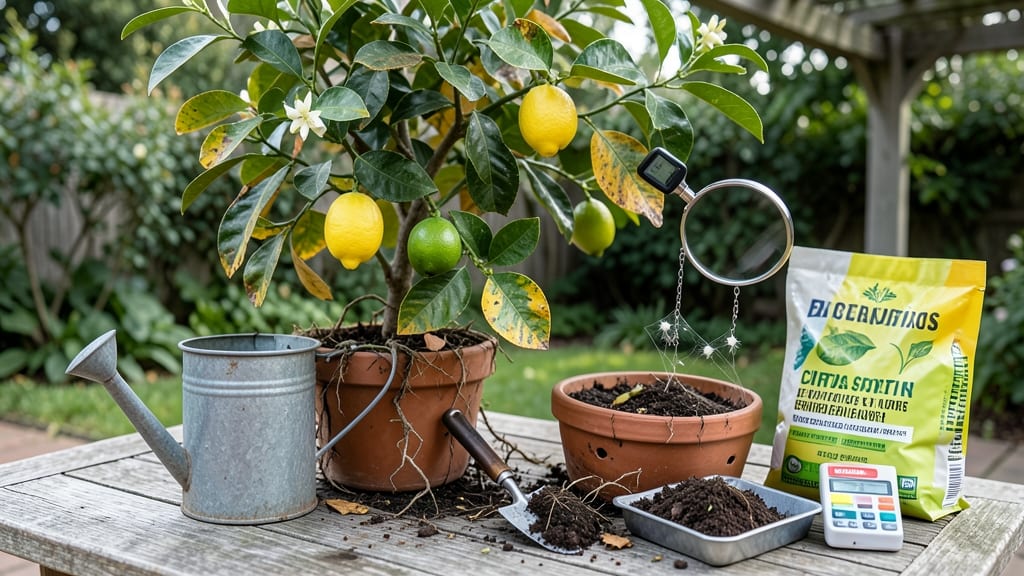
Your potted lemon tree losing leaves is often a cry for help—not just from overwatering or pests, but from roots that can't breathe. 🌱 The good news? Root rot rescue starts with simple air-pruning tricks that work even if you've already repotted once.
Most gardeners fix the wrong problem first, wasting weeks on fertilizer or pesticides when the real issue is trapped moisture and suffocating roots.
First, check the soil: if it smells sour or feels soggy past 2 inches down, your tree's roots are drowning. Yellow leaves with brown edges? That's classic overwatering. Black, mushy stems?
Root rot has set in. The fix isn't complicated—it's about giving roots space to grow properly with drainage holes, a well-aerated mix, and watering only when the top inch is bone-dry.
You'll see new growth within 4-6 weeks if you adjust watering and repot into a container just 1-2 inches larger than the root ball. Add perlite or orchid bark to the mix to prevent compaction, and prune any mushy roots back to healthy tissue.
The key is patience: lemon trees recover faster than you'd expect when you address the root cause instead of treating symptoms.
For stubborn cases, consider a semi-hydroponic setup with a cache pot—it's the air-pruning secret that keeps roots oxygenated without constant monitoring.
And if your tree still looks miserable after two months of care, a soil test ($20 at garden centers) reveals hidden nutrient imbalances or pH issues that might be holding it back.
Root Causes Behind Leaf Drop
If your potted lemon tree is shedding leaves, it’s often a cry for help from its roots—or something even more subtle. Understanding the why behind the problem is the first step to saving your citrus companion.
Below, we break down the most common triggers, from overzealous watering to hidden pests, with clear explanations and actionable insights.
Lemon trees in pots are extremely sensitive to soggy roots. When soil stays waterlogged for days, oxygen can’t reach the roots, leading to anaerobic conditions—a breeding ground for Phytophthora and other fungi.
These pathogens trigger root rot, which disrupts nutrient and water uptake, causing leaves to yellow and drop.
- Signs: Mushy, black roots; foul-smelling soil; leaves wilting despite damp soil.
- Why it happens:
- Poor drainage in the pot (no holes or compacted soil).
- Overwatering without checking soil moisture (stick your finger 2 inches deep—if it’s wet, wait!).
- Using heavy, clay-based soils that retain too much moisture.
- Action:
- Repot in well-draining mix (50% cactus/succulent soil + 30% perlite + 20% compost).
- Ensure the pot has drainage holes and elevate it on a saucer.
- Water only when the top 1–2 inches of soil are bone-dry.
While overwatering is the usual suspect, chronic underwatering can also cause leaf drop. Lemon trees are drought-tolerant, but prolonged dryness forces them into survival mode, dropping older leaves to conserve energy. Severe cases can lead to leaf scorch (brown, crispy edges) or abscission (premature leaf fall).
- Signs: Dry, brittle leaves; soil pulling away from pot edges; leaves curling inward.
- Why it happens:
- Infrequent watering (especially in hot, dry climates).
- Small pots that dry out too quickly.
- Evaporative stress from direct sun exposure without adequate hydration.
- Action:
- Water deeply until it drains from the bottom, then wait until the topsoil is dry.
- Move the pot to partial shade (morning sun + afternoon shade) if leaves show burn signs.
- Use a self-watering pot or moisture meter for consistency.
Tiny invaders like spider mites, scale insects, or mealybugs suck sap from leaves, causing them to yellow, curl, and fall off. These pests thrive in dry, dusty conditions and are often missed until the damage is done.
- Signs:
- Spider mites: Fine webbing on undersides of leaves, stippled yellowing.
- Scale/mealybugs: White cottony clusters or brown bumps on stems/leaves.
- Aphids: Sticky residue (honeydew) on leaves.
- Why it happens:
- Low humidity (common in indoor or heated environments).
- Bringing infected plants near your lemon tree.
- Weakened tree from stress (under/overwatering, poor nutrition).
- Action:
- Isolate the tree and wipe leaves with a damp cloth + mild soap (1 tsp neem oil per quart of water).
- Spray with horticultural oil or insecticidal soap (repeat every 5–7 days).
- Increase humidity with a pebble tray or humidifier.
Lemon trees are heavy feeders, and a lack of key nutrients—especially nitrogen, iron, or magnesium—can trigger leaf drop. Yellowing between leaf veins (iron deficiency) or purplish stems (phosphorus deficiency) are classic red flags.
| Deficiency | Symptoms | Cause | Fix |
|---|---|---|---|
| Nitrogen (N) | Pale yellow leaves, stunted growth | Poor soil or lack of fertilizer | Apply balanced citrus fertilizer (6-6-6 or 8-3-9) every 4–6 weeks in growing season. |
| Iron (Fe) | Yellowing between veins (chlorosis) | Alkaline soil or overwatering (flushes nutrients) | Use chelated iron or acidify soil with Epsom salt (1 tbsp/gallon of water, monthly). |
| Magnesium (Mg) | Yellow patches with green veins; crispy edges | Compacted or old soil | Add Epsom salt (2 tbsp/gallon) or repot with fresh, magnesium-rich soil. |
Pro Tip: 💡 Always fertilize after watering to prevent root burn. Test soil pH (ideal: 6.0–7.0)—alkaline soil locks out iron!
Lemon trees prefer consistent warmth (60–85°F). Sudden drops below 50°F or blasts of cold wind can shock the tree, causing leaves to abscise (drop) as a protective response. Drafts from AC units, open windows, or winter chills are common culprits.
- Signs: Leaves dropping in clusters; brown, papery edges; new growth stunted.
- Why it happens:
- Placing the pot near drafty windows, doors, or vents.
- Moving the tree from indoor warmth to outdoor cold without acclimating.
- Wind exposure (especially for outdoor pots).
- Action:
- Keep indoors in stable temps or move to a sheltered spot outdoors.
- Use a row cover or frost cloth if temps dip below 55°F.
- Avoid
Revive Your Lemon Tree Now
Your potted lemon tree’s leaf loss doesn’t have to be permanent—with the right fixes, you can nurse it back to health and even prevent future stress. Below, we’ve broken down practical, step-by-step solutions tailored to the most common causes of leaf drop.
Each remedy is designed to be easy to implement, whether you’re a seasoned gardener or a beginner with a green thumb.
Signs: Yellowing leaves, mushy stems, foul-smelling soil, or slow growth.
Step 1: Emergency Drainage 🔥
- Move the pot to a dry, shaded spot (direct sun can stress already weak roots).
- Check drainage holes—if they’re clogged, use a wire or skewer to clear them.
- Let excess water escape by placing the pot in a tray of water for 10–15 minutes, then tip it out.
Repeat until water runs clear from the holes.
Step 2: Air-Pruning Fix
🍳 Root rot thrives in soggy soil, but air-pruning (exposing roots to air) can save your tree: 1. Remove the plant gently from the pot and shake off excess soil (don’t wash roots).
- Trim black, mushy roots with sterilized scissors (healthy roots are firm and white).
- Repot in fresh, fast-draining mix (see recipe below) and elevate the pot on feet or a saucer to prevent water pooling.
💡 Pro Tip: If your pot lacks drainage, drill holes in the bottom or switch to a terracotta pot—it breathes better than plastic.
Step 3: Adjust Watering Habits 👨🍳
- Water only when the top 1–2 inches of soil are dry (stick your finger in to test).
- Use the "soak-and-dry" method: Water deeply until it drains from the bottom, then wait until the soil is bone-dry before watering again.
- Avoid wetting leaves—use a drip irrigation system or water at the base.
Prevention Tips:
✅ Upgrade your pot to one with drainage holes (or add them yourself). ✅ Use a well-draining mix: 60% potting soil, 20% perlite, 20% coarse sand or orchid bark. ✅ Mulch with gravel (not organic mulch) to improve airflow at the soil surface.
Signs: Crispy, brown edges on leaves, wilting, or dusty soil.
Step 1: Deep Watering 🥘
- Soak the root ball until water flows from the drainage holes (this may take 10–15 minutes).
- Repeat every 3–4 days in hot weather or when the soil feels dry 1 inch below the surface.
Step 2: Humidity Boost 🌡️
Lemon trees love humidity—try these tricks:
- Mist leaves 2–3 times a week (early morning to avoid fungal issues).
- Place the pot on a pebble tray filled with water (ensure the pot isn’t sitting in water).
- Group plants together to create a microclimate.
Step 3: Check for Over-Salinity 🔪
If your tree’s soil is crusty or white (from mineral buildup):
- Flush the soil by watering until water runs clear from the bottom.
- Replace the top 2 inches of soil with fresh potting mix.
Prevention Tips:
✅ Monitor soil moisture with a moisture meter or your finger. ✅ Use a self-watering pot if you travel often. ✅ Avoid plastic pots—they trap heat and dry out soil faster.
Signs: Yellow leaves (especially older ones), stunted growth, or pale foliage.
Step 1: Soil Test & Amend 📊
- Test your soil with a kit (available at garden centers) to check pH (ideal: 6.0–7.0 for lemons).
- Add organic matter:
- Citrus-specific fertilizer (high in nitrogen, phosphorus, and potassium) every 4–6 weeks in growing season (spring–fall).
- Epsom salt (1 tbsp per gallon of water monthly) for magnesium boosts.
Step 2: Foliar Feed for Quick Fixes 💪
- Mix 1 tsp liquid seaweed extract in 1 gallon of water and spray leaves once a week for 2 weeks.
- Avoid over-fertilizing—this can burn roots!
Prevention Tips:
✅ Fertilize lightly in winter (reduce to every 8–10 weeks). ✅ Use slow-release granules for steady nutrition. ✅ Compost tea (homemade or store-bought) adds microbes to improve soil health.
Signs: Sudden leaf drop, brown spots, or leaves curling in extreme heat/cold.
Step 1: Protect from Drafts & Heat ✨
- Move indoors if temps drop below 40°F (4°C) or above 90°F (32°C).
- Use shade cloth (30–50% coverage) if transitioning from indoors to outdoors.
- Avoid cold drafts (near AC vents, doors, or windows in winter).
Step 2: Gradual Sun Exposure 🌞
If your tree was indoors:
- Start with 2–3 hours of morning sun per day.
- Increase exposure slowly over 2–3 weeks to prevent sunburn.
Prevention Tips:
✅ Hardening off (acclimating slowly) is key when moving plants. ✅ Use a heat mat in winter if indoors near cold windows. ✅ Mulch with straw to regulate soil temperature.
Signs: Sticky leaves (aphids), holes in leaves (spider mites), or white cottony growth (mealybugs).
Step 1: Isolate & Identify 🔍
- Quarantine the plant to prevent spreading.
- Check undersides of leaves and stems with a magnifying glass.
Step 2: Natural Pest Control 🍎
- Neem oil spray (1 tbsp neem oil + 1 tsp mild soap + 1 quart water) – spray every 5–7 days until pests vanish.
- Introduce beneficial insects like ladybugs or lacewings.
- Wipe leaves with a damp cloth to remove pests manually.
Prevention Tips:
✅ Inspect new plants before bringing them home. ✅ Encourage airflow by pruning crowded branches. ✅ Avoid overwatering—pests love damp, stressed plants.
Before calling it a day, run through this quick checklist:
- Drainage? ✅ (Holes in pot + saucer)
- Watering routine? ✅ (Soak-and-dry method)
- Fertilizer? ✅ (Balanced citrus feed, not too much)
- Pests? ✅ (Neem oil or manual removal)
- Location? ✅ (Protect from extremes)
With these steps, your lemon tree should stop losing leaves within 2–4 weeks and bounce back stronger. Patience is key—some roots may take time to recover, but consistent care will pay off with lush, green foliage (and maybe even lemons!).
💡 Bonus: Keep a plant journal to track watering, sunlight, and treatments—it’ll help you spot patterns next time!
Frequently asked questions
Why are my potted lemon tree's leaves turning yellow before falling off?
Yellowing leaves before dropping usually signal overwatering or nutrient deficiencies. Check the soil—if it stays damp past 2 inches deep, you're likely overwatering. Yellowing between leaf veins may indicate an iron deficiency, while uniform yellowing suggests nitrogen deficiency. Test your soil pH (ideal: 6.0–7.0) and adjust care accordingly.
How often should I water my potted lemon tree to prevent leaf loss?
Water only when the top 1–2 inches of soil are completely dry. In summer, this may mean watering every 3–5 days, while winter care requires watering every 10–14 days. Always use the soak-and-dry method: water until it drains from the bottom, then wait until the soil is bone-dry before watering again.
Can I save my lemon tree if the roots look mushy and black?
Yes! Trim all black, mushy roots with sterilized scissors, then repot in a well-draining mix (50% cactus soil + 30% perlite + 20% compost). Use a pot with drainage holes and avoid watering until new growth appears (2–4 weeks). Elevate the pot on feet to prevent future water pooling.
What's the best fertilizer for a lemon tree recovering from leaf loss?
Use a balanced citrus fertilizer (6-6-6 or 8-3-9 ratio) every 4–6 weeks during growing season (spring–fall). For deficiencies: add chelated iron for yellowing between veins or Epsom salt (1 tbsp/gallon) monthly for magnesium. Always fertilize after watering to prevent root burn.
Will my lemon tree grow back leaves after dropping most of them?
With proper care—correct watering, well-draining soil, and stable temperatures (60–85°F)—your tree will regrow leaves within 4–8 weeks. Focus on root health first: repot if needed, adjust watering, and protect from drafts. New growth often appears from dormant buds at leaf nodes.