
Leaf Blower
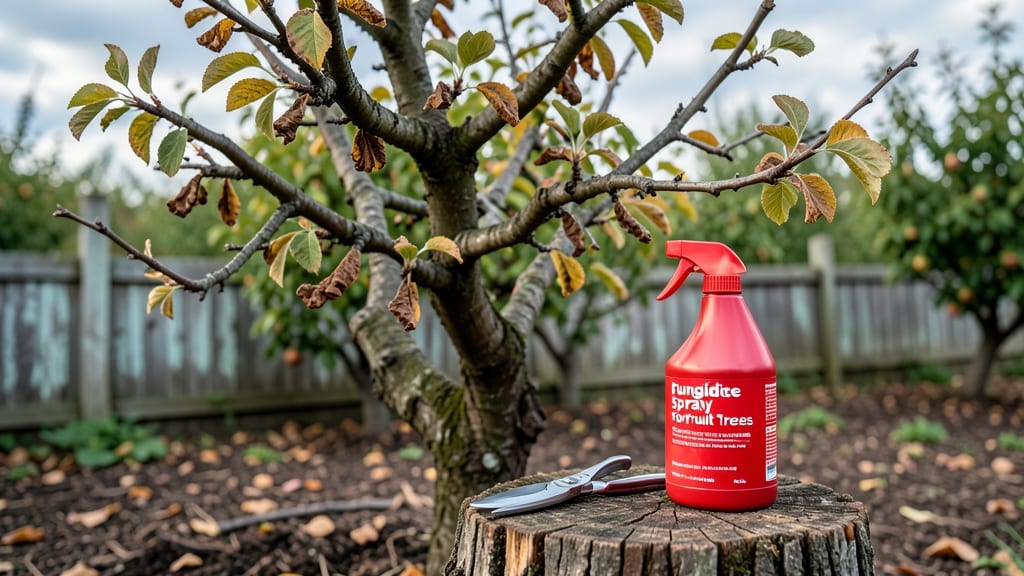
Neem oil spray stops the peach tree leaf curl fungus in its tracks—I’ve used it to save trees that looked doomed by spring. 🌿 The curled, puckered leaves and distorted buds are unmistakable signs of Taphrina deformans, and without fast action, your harvest disappears before it starts.
This isn’t just about spraying once; it’s about breaking the fungus’s cycle before it even wakes up in early spring.
Most gardeners panic when they spot the first curled leaves, but the secret is timing and consistency. Neem oil works by disrupting the fungus’s cell membranes—apply it before buds swell in late winter or early spring, and repeat every 10-14 days until new growth appears.
Pair it with pruning infected branches (sterilize your tools!) and removing fallen leaves to starve the fungus of its food source.
Within 2-3 weeks, you’ll see fresh, smooth leaves pushing out instead of the twisted mess. The tree won’t just survive—it’ll bounce back stronger, and next year’s fruit set will improve dramatically. Think of it as a reset button for your peach tree’s health, not a last-ditch effort.
For long-term peace of mind, plant resistant varieties like ‘Redhaven’ or ‘Elberta’ and apply a copper fungicide spray in late fall as insurance. The key is catching it early—once the fungus takes hold, even the best treatments fight an uphill battle. Your tree’s future depends on acting now.
How Fungal Pathogens Invade Trees
Peach trees are beautiful, productive, and prized in orchards and home gardens—but they’re also vulnerable to a sneaky fungal foe: Taphrina deformans, the culprit behind leaf curl disease. This fungus thrives in specific conditions, exploiting weaknesses in your tree’s defenses.
Understanding why it happens is the first step to stopping it before it spreads. Here’s a breakdown of the key triggers:
The fungus Taphrina deformans survives winter in infected buds, leaves, or bark as dormant mycelium (thread-like fungal strands). When spring arrives—and especially during prolonged, cool, wet periods—these spores reactivate.
- Moisture triggers germination: Spores need film of water (like dew or rain) to swell and release ascospores, which are carried by wind to healthy buds.
- Temperature matters: Ideal spore release occurs between 40–60°F (4–15°C). If spring is too cold, spores may wait; if too hot, they dry out.
- Actionable insight: If your area has 5+ consecutive rainy days in early spring, your peach tree is at high risk. Monitor weather forecasts and act fast!
💡 Pro Tip: Use a fungicide spray (like neem oil) before bud break if your region predicts wet spring conditions. Prevention is easier than cleanup!
A healthy peach tree has natural defenses—waxy leaf cuticles, antifungal compounds, and robust bark—but stress weakens these barriers. The fungus exploits these vulnerabilities:
| Stress Factor | How It Helps the Fungus |
|---|---|
| 🌞 Drought Stress | The tree conserves water by reducing leaf production, making buds more susceptible to fungal invasion. |
| ❄️ Winter Freeze Damage | Frozen or cracked bark provides entry points for fungal spores to colonize buds. |
| 🍄 Poor Soil Nutrition | Low potassium or zinc weakens cell walls, making leaves easier targets for Taphrina. |
| 🔄 Over-Pruning or Injury | Open wounds create entry zones for spores, and stressed branches produce thinner, more vulnerable bark. |
🔥 Action Step: Before spring, test your soil and amend with compost or balanced fertilizer (high in K & Zn). Avoid heavy pruning in late winter—wait until after the leaf curl risk has passed (usually mid-to-late spring).
Fungal spores don’t discriminate—they hitchhike on wind, rain, and even tools from tree to tree. In dense plantings or orchards, the risk skyrockets because:
- Limited airflow: Humidity lingers longer, keeping spores moist and active.
- Shared tools/insects: Pruners, bees, or even birds can transfer spores between trees.
- No sunlight penetration: Shady, damp conditions favor fungal growth over healthy leaf development.
✨ Solution:
- Space trees 15–20 feet apart for airflow.
- Disinfect tools with 70% rubbing alcohol between trees.
- Remove infected leaves/debris immediately and compost separately (do not return to garden soil).
Once you recognize these triggers, you can disrupt the fungus’s lifecycle before it takes hold. The next step? Early intervention—like neem oil sprays—to stop the curl in its tracks. 🚀
Fixing Leaf Curl in Peach Trees
Got peach tree leaf curl fungus? Don’t panic—this fungal foe is beatable with the right moves. Below, we break down practical fixes based on the root cause, from quick remedies to long-term prevention. Think of it like a game plan: diagnose, act, and protect!
If you’ve spotted puckered, curled leaves or stunted growth, act fast to stop the spread.
1️⃣ Prune Infected Branches (The Surgical Strike)
🔪 What to do:
- Use sterilized pruners (wipe with rubbing alcohol between cuts).
- Cut 2–3 inches below the curled leaves—fungus hides in infected tissue.
- Bag and dispose of clippings (don’t compost them!).
✨ Pro Tip: Prune on a dry day to avoid spreading spores with wet tools.
2️⃣ Spray with Neem Oil (The Natural Knockout)
🍳 What to do:
- Mix 1–2 tbsp neem oil + 1 tsp mild soap per gallon of water.
- Spray thoroughly on both leaf sides and branches (focus on new growth).
- Reapply every 7–14 days until leaves unfurl normally.
💡 Why it works: Neem oil disrupts fungal spores and strengthens the tree’s defenses.
3️⃣ Apply Fungicide (The Heavy Artillery)
🛡️ What to do:
- Use a copper-based fungicide (like copper sulfate) or potassium bicarbonate spray.
- Follow label instructions—timing matters (spray at bud swell and petal fall stages).
- Reapply after rain (fungicides wash off).
🌡️ Warning: Avoid synthetic fungicides if you’re organic-certified—stick to neem or copper.
An ounce of prevention beats a pound of cure. Here’s how to keep leaf curl at bay:
1️⃣ Buy Resistant Varieties (Future-Proof Your Tree)
🌳 Top picks:
- Redhaven (moderate resistance)
- Elberta (better tolerance)
- Contender (highly resistant—ask at nurseries!)
🎯 Pro Tip: Ask your local extension office for region-specific recommendations.
2️⃣ Clean Up Debris (Fungus’ Favorite Hideout)
🧹 What to do:
- Rake and remove fallen leaves year-round (especially after harvest).
- Sanitize tools after pruning (bleach dip or alcohol wipe).
- Mulch properly—keep mulch 3–4 inches away from the trunk to reduce moisture buildup.
3️⃣ Time Your Sprays Right (Beat the Fungus Clock)
⏰ Critical spray windows:
- Late winter/early spring (before buds swell—preventative strike).
- After rain or heavy dew (fungus loves moisture).
- Every 4–6 weeks during growing season (maintenance mode).
🔥 Hot Tip: Spray in the evening to reduce leaf burn from sunlight.
4️⃣ Boost Tree Health (Strong Trees Fight Back)
💪 How to strengthen your peach tree:
- Water deeply but infrequently (1–1.5 inches per week; avoid soggy soil).
- Fertilize in early spring with balanced 10-10-10 (or compost for organic growers).
- Thin fruit (overloaded branches = stress = fungus vulnerability).
If leaf curl keeps coming back, drastic times call for drastic measures:
| Problem | Solution | How to Do It |
|---|---|---|
| Repeated infections | Remove the tree (if variety is highly susceptible). | Dig carefully to avoid damaging roots; replant with a resistant variety. |
| Soil-borne fungus | Solarize the soil (for extreme cases). | Cover soil with clear plastic for 4–6 weeks in summer to kill spores. |
| Neighbor’s infected tree | Negotiate removal or increase your sprays. | Politely ask neighbors to treat their trees too! |
✨ Silver Lining: Even if you lose a few leaves, healthy roots = comeback potential. Keep up care, and your tree can bounce back!
Final Reminder: Leaf curl fungus is manageable, not a death sentence. Combine pruning, neem oil, and smart prevention, and your peach tree will be back to producing juicy, disease-free fruit in no time! 🍑🌟
Frequently asked questions
How do I tell if my peach tree has leaf curl fungus vs. other diseases?
Leaf curl fungus causes thickened, puckered leaves that look like tiny drums, often with reddish-brown spots on the undersides. Unlike bacterial spot (which has water-soaked holes) or aphid damage (sticky residue), leaf curl appears before leaves fully unfurl in spring. Check buds too—they’ll swell abnormally and may ooze gum.
Can I save my peach tree if it already has curled leaves?
Yes, but act fast! Prune infected branches immediately (sterilize tools first!) and apply neem oil or copper fungicide to stop spread. The tree can recover, but severe cases may need year-round monitoringnew growth—healthy leaves will replace curled ones if you break the fungus’s cycle early.
Why does leaf curl fungus keep coming back every spring?
The fungus overwinters in infected buds and debris, so it’s always waiting to strike. To break the cycle: remove all fallen leaves (don’t compost them), spray neem oil in late winter before buds swell, and plant resistant varieties like ‘Contender.’ Consistent sanitation is key—one missed season lets it regroup.
Is neem oil safe for all peach tree varieties?
Neem oil is generally safe, but avoid spraying when temperatures exceed 90°F or on newly planted trees (can stress roots). Always test a small branch first—some sensitive varieties may show mild leaf burn. For organic growers, it’s the gold standard, but copper fungicides are another effective (though less natural) option.
Will leaf curl fungus kill my peach tree?
Not usually, but it weakens the tree and reduces fruit production. Chronic infections can lead to stunted growth or death over years if ignored. The good news? With proper pruning + fungicide sprays, most trees recover fully. Focus on root health—healthy roots mean the tree can bounce back even with leaf damage.