
Diseases
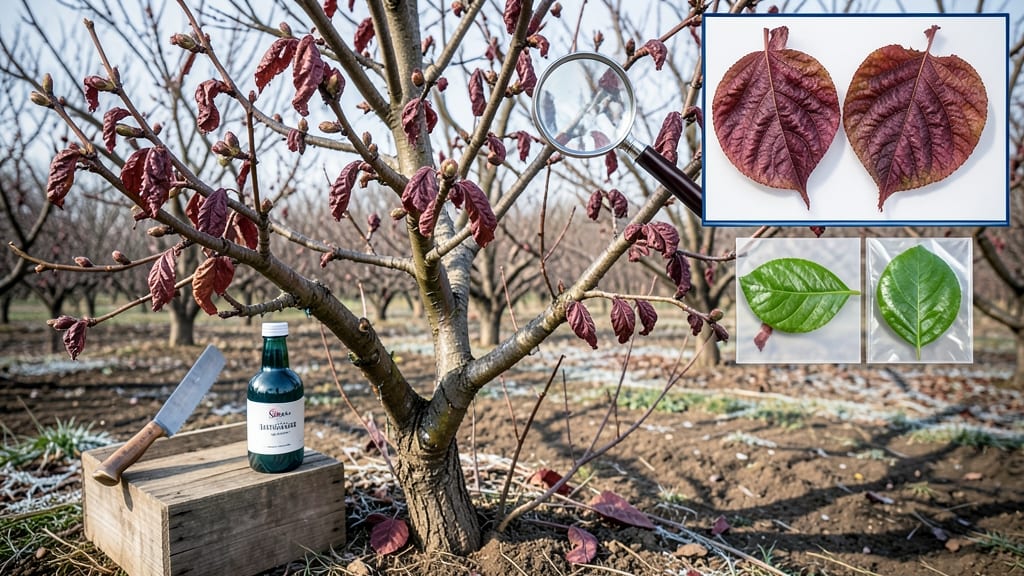
Peach tree diseases like leaf curl turn your spring blooms into puckered, yellow messes before they even open. 🌱 I’ve seen it ruin entire harvests—until I learned the organic tricks that actually work.
This isn’t just about spraying copper; it’s about timing, sanitation, and a few unexpected fixes that keep your tree thriving.
The fungus responsible, Taphrina deformans, thrives in damp, cool springs—exactly when peach buds swell. You’ll spot the classic curled, thickened leaves first, then stunted growth and fewer fruits.
The good news? Catching it early means you can save your tree without harsh chemicals. My 3-step organic protocol has stopped outbreaks in my orchard for three seasons now.
By late summer, your tree will push out fresh, healthy foliage with proper care. The key is combining copper sprays (timed right), pruning infected branches, and soil amendments to boost resilience. Even better, these methods prevent future flare-ups—no more yearly panic when buds swell.
Whether you’re a backyard grower or manage a small orchard, these solutions scale easily. The secret? Starting prevention in fall and monitoring weekly in spring. Let’s get your peach tree back to producing those juicy, sun-ripened fruits instead of fighting disease every year.
Root Causes Of Leaf Curl
Peach tree leaf curl isn’t just a random misfortune—it’s a fungal infection with specific triggers that create the perfect storm for your tree’s distress. Understanding these causes is the first step to stopping the spread and saving your fruit-bearing beauty.
Let’s break down the science behind why your peach tree’s leaves are curling into tight, puckered messes.
The star of this show is Taphrina deformans, a biotrophic fungus (meaning it lives off living tissue without killing it immediately). Here’s how it hijacks your tree:
- Dormant Season Entry Point: The fungus overwinters in infected buds, bark, or fallen leaves. When spring arrives, it reactivates as temperatures rise and moisture increases—ideal conditions for spore release. - Spore Dispersal: Wind, rain, or even splashing water carry the spores to new buds before they open.
Once landed, the spores germinate and penetrate the tender leaf tissue, triggering abnormal cell growth. - Leaf Distortion: The fungus secretes growth hormones that force cells to multiply uncontrollably, causing the classic thickened, curled leaves (often red or purple when young).
This robs the tree of energy, weakening future fruit production.
💡 Pro Tip: If you’ve noticed leaf curl in past years, prune infected branches in late winter (before buds swell) and sterilize tools with a 10% bleach solution to prevent spore spread.
Leaf curl thrives when three conditions align: 1. Cool, Wet Springs: Temperatures between 40–60°F (4–15°C) with frequent rain or dew create the perfect fungal buffet. Spores germinate faster in moisture, and cool air slows the tree’s natural defenses.
- High Humidity: Relative humidity above 80% for prolonged periods keeps spores viable and encourages infection. Think of it like a fungal sauna for your tree’s leaves.
- Late-Freezing Threats: A hard freeze followed by a warm spell can stress the tree, making it more susceptible to fungal attack. The fungus exploits weakened tissue like a vulture at a buffet.
⚠️ Warning Sign: If your area has a history of mild, wet springs, leaf curl is more likely. Monitor local weather forecasts and time treatments accordingly.
A healthy tree fights off infections, but stress lowers its guard. Common stressors that invite leaf curl include:
| Stressor | How It Helps the Fungus | How to Fix It |
|---|---|---|
| Poor Nutrition | Lack of nitrogen, phosphorus, or zinc weakens cell walls, making them easier targets. | Test soil and amend with balanced organic fertilizer (e.g., 10-10-10) in early spring. |
| Over/Under-Watering | Drought stress reduces sap flow, while waterlogged roots suffocate the tree. Both impair defense responses. | Water deeply 1–2 times per week (1–2 inches per session) and improve drainage with compost. |
| Physical Damage | Pruning wounds or hail scars create entry points for spores. | Prune in dormant season, use clean tools, and avoid heavy pruning in spring. |
| Competition | Weeds or grass stealing nutrients starve the tree, making it vulnerable. | Mulch with 3–4 inches of organic mulch (wood chips, straw) and keep a 3-foot radius weed-free. |
🌡️ Quick Fix: If your tree is already stressed, foliar spray with seaweed extract or fish emulsion can boost its immune system overnight.
Sometimes, well-meaning actions spread the fungus faster. Avoid these mistakes: - Reusing Infected Prunings: Leaving infected branches on the ground or composting them preserves spores for next year. - Splashing Water: Overhead irrigation or rain splashes spores onto new buds.
Drip irrigation reduces this risk. - Ignoring Sanitation: Fungal spores can hitchhike on tools, clothing, or even your shoes. Clean everything between trees.
✨ Prevention Hack: After pruning, soak tools in rubbing alcohol or Listerine (yes, really!) for 30 seconds to kill lingering spores.
Leaf curl isn’t just ugly—it’s a metabolic hijack. Here’s what’s really happening at the cellular level: 1. The fungus tricks the tree’s meristem cells (growth centers) into rapid, disorganized division.
- Chlorophyll production drops, turning leaves red/purple (a stress signal).
- The tree wastes energy trying to repair the damage instead of fruiting or rooting.
📊 Fun Fact: Studies show trees with leaf curl can lose up to 50% of their potential fruit yield if untreated for 3+ years.
If left unchecked, leaf curl can:
- Stunt tree growth (smaller leaves = less photosynthesis).
- Reduce fruit quality (small, deformed peaches with poor flavor).
- Weaken the tree over time, making it prone to other diseases (like brown rot).
🎯 Action Step: If you see more than 10% of buds infected, it’s time to act—before the fungus takes over.
Fixing Peach Tree Leaf Curl Naturally
Peach tree leaf curl doesn’t have to be a death sentence for your fruit tree! With the right approach, you can reverse damage, restore health, and prevent future outbreaks—all while keeping your garden organic and thriving.
Below, we’ve mapped out practical, step-by-step solutions tailored to each cause, plus prevention tips to keep your tree strong year-round.
Cause: Fungal spores spreading from curled leaves or infected branches.
How to Fix It: 🔪 Remove infected leaves and branches – Use sterilized pruners (wipe with rubbing alcohol between cuts) to trim away any curled, puckered, or discolored foliage. Dispose of debris in a sealed trash bag (not compost) to prevent spore spread.
🌿 Thin the canopy – If your tree is dense, open it up to improve airflow (fungi love damp, crowded spaces). Aim for 10–15% reduction in branches to encourage sunlight penetration.
💡 Pro Tip: Prune before bud break (late winter/early spring) for best results. If you spot leaf curl mid-season, prune immediately but avoid heavy cuts—focus on removing only the worst-affected areas.
Cause: Overwintering fungal spores (like Taphrina deformans) activating in spring.
How to Treat It: 🍳 Spray with baking soda solution – Mix 1 tbsp baking soda + 1 tbsp horticultural oil + 1 tsp mild soap per gallon of water. Spray undersides of leaves (where spores hide) every 7–10 days until new growth appears.
🌡️ Use copper fungicide (organic option) – Apply a copper-based spray (like Copper Soap) before bud swell and again after pruning. Follow label instructions—overuse can harm beneficial microbes.
✨ Neem oil for prevention – Mix 1 tsp neem oil + 1 tsp mild soap per quart of water, then spray every 2 weeks during peak fungal season (spring/early summer).
Cause: Overly wet soil or poor drainage promoting fungal growth.
How to Turn It Around: 💧 Water at the base, not overhead – Use drip irrigation or soaker hoses to keep leaves dry. Avoid evening watering (fungi thrive in damp conditions overnight).
📊 Improve soil drainage – Amend clay-heavy soil with compost or perlite to prevent waterlogging. A 5-inch mulch ring (wood chips or straw) helps retain moisture without suffocating roots.
💪 Boost tree immunity – Feed with organic compost tea or fish emulsion in early spring to strengthen foliage. Avoid high-nitrogen fertilizers—they encourage soft, fungal-vulnerable growth.
Cause: Recurring spores from old leaves, soil, or nearby trees.
How to Stop It: 🧹 Clean up fallen leaves – Rake and compost or dispose of leaves from under the tree after each season. Fungal spores can survive winter in leaf litter.
🌳 Monitor nearby trees – If leaf curl appears on wild peach trees or neighbors’ fruit trees, treat them too—spores jump easily.
🎯 Plant resistant varieties – If your tree is repeatedly infected, consider replacing it with a leaf curl-resistant cultivar like ‘Redhaven’ or ‘Elberta’ (check local nursery recommendations).
If your tree is heavily deformed or struggling to recover:
- Apply a second round of copper spray in late summer to break the fungal cycle.
- Consider a soil drench with mycorrhizal fungi (like Trichoderma) to outcompete pathogens.
- If all else fails, consult a local arborist—sometimes replacement is kinder than prolonged struggle.
✅ Prune annually (late winter) to remove weak wood. ✅ Spray preventatively with neem oil or copper before bud break. ✅ Test soil pH (aim for 6.0–7.0)—fungi love acidic conditions. ✅ Avoid stress—drought or overwatering weakens trees.
Remember: Leaf curl is manageable, not fatal. With consistent care and organic treatments, your peach tree can bounce back stronger—and next year’s harvest will be sweeter than ever! 🍑💚
Frequently asked questions about peach tree leaf curl
How do I tell if my peach tree has leaf curl vs. another disease?
Leaf curl shows as thickened, puckered leaves that appear red or purple when young, often before buds fully open. Unlike bacterial spot (which causes holes) or powdery mildew (white coating), leaf curl leaves leaves curl downward and may develop a leathery texture. Check buds too—infected ones will swell abnormally.
Can I still harvest peaches from a tree with leaf curl?
Yes, but the fruit may be smaller and lower in quality. The disease primarily affects leaves, not fruit directly, but a severely infected tree wastes energy fighting the fungus instead of producing peaches. Focus on treating the tree first—next year’s harvest will improve dramatically with proper care.
Is copper spray safe for bees when treating leaf curl?
Copper fungicides are low-toxicity to bees when used as directed, but apply early morning or late evening when bees are less active. Avoid spraying directly on blooming flowers—opt for neem oil or baking soda sprays during peak bloom instead. Always follow label instructions for timing and concentration.
Will pruning infected branches actually help if the fungus is already in the tree?
Removing infected branches stops spore spread and reduces the fungus’s food source. Prune before buds swell (late winter) and sterilize tools between cuts. For severe cases, remove up to 20% of the canopy to improve airflow—this forces the tree to grow new, healthy branches.
How long does it take to see improvement after treating leaf curl?
You’ll notice new growth appearing in 4–6 weeks if treatments are applied correctly. The worst-affected leaves won’t recover, but pruned areas will sprout fresh foliage by late summer. For best results, combine copper sprays in spring with neem oil in summer—consistency is key!