
Pruning
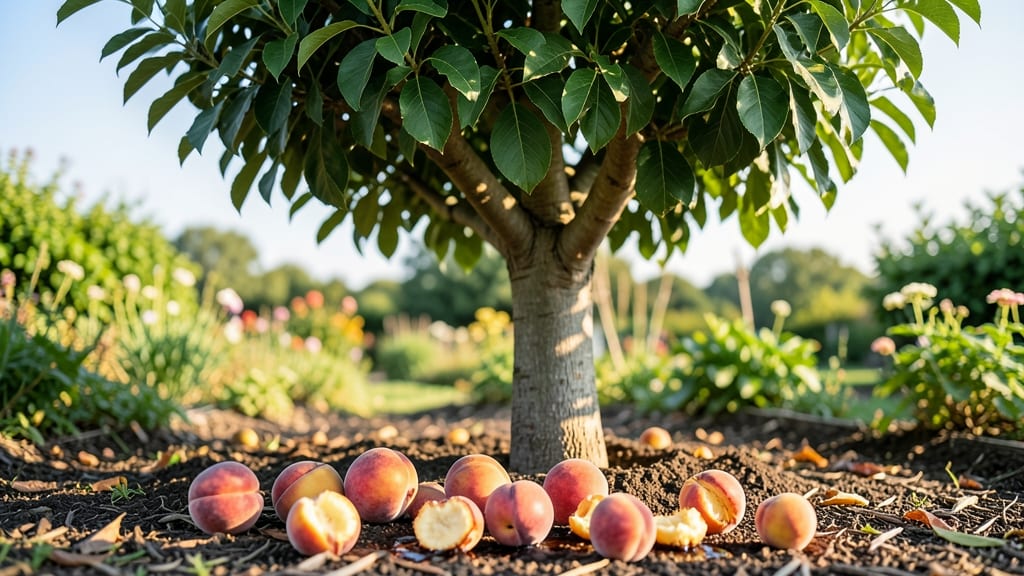
Peach trees dropping fruit feels like watching money blow away in the wind. 🌱 After years of fighting this problem, I discovered the real culprit isn't always pests or disease—it's often how (or when) we prune.
The wrong cuts at the wrong time send the tree into panic mode, triggering that frustrating fruit drop. The fix starts with understanding your tree's growth cycle. Overbearing branches need strategic thinning in late winter, while summer pruning focuses on shaping—not removing—too much at once.
I've seen trees that lost 80% of their fruit one year produce full baskets the next after adjusting my pruning timing. You'll learn to spot the early signs of stress (wilting leaves, premature fruit drop) and how to adjust watering, fertilization, and even sunlight exposure to keep fruit set strong.
The key is balancing the tree's energy so it invests in fruit, not just leaves. This works for both young trees and mature orchards. Let's turn that fruit drop into a thing of the past—starting with your next pruning session.
Root Causes of Premature Fruit Loss
Understanding why peaches fall from trees before ripening is the first step to preventing it. These issues often stem from environmental stress, poor tree health, or mismanaged growth.
Below, we break down the key triggers behind fruit drop in peach trees—so you can address them before they cost you your harvest.
Peach trees are sensitive to rapid temperature swings, especially during bloom and early fruit set. When conditions flip from freezing to scorching—or when drought or heavy rain strikes—your tree may shed fruit as a survival tactic.
- Late Frosts or Freezes 🥶 Peach blossoms are highly vulnerable to frost damage. Even a single night below 28°F (-2°C) can kill flowers, causing massive fruit drop within days. The tree prioritizes protecting its remaining buds over supporting immature fruit.
- Heat Stress & Drought When temperatures soar above 90°F (32°C) or soil moisture drops, peach trees halt fruit development to conserve energy. Young fruitlets may abort and fall, leaving you with sparse clusters. Irregular watering (too much or too little) worsens this.
- Heavy Rain or Wind Overcast skies and prolonged wet conditions can lead to bacterial infections (like brown rot), forcing the tree to drop infected fruit. Meanwhile, strong winds physically damage blossoms and tiny fruits, causing them to detach.
Pro Tip: 💡 Use frost cloths in early spring and mulch heavily to stabilize soil moisture. Drip irrigation helps avoid uneven water stress.
Peach trees need balanced nutrition to support fruit retention. If they’re deficient in key nutrients or overloaded with others, the tree may abort fruit to redirect resources.
- Nitrogen Deficiency or Excess
- Too little nitrogen? The tree struggles to produce enough leaves for photosynthesis, leading to weak fruit attachment.
- Too much nitrogen? The tree prioritizes leafy growth over fruit, causing premature drop of small peaches.
- Potassium & Calcium Shortages - Potassium helps regulate water uptake and enzyme activity. A deficiency weakens cell walls, making fruit prone to splitting and dropping. - Calcium is critical for fruit firmness and structure.
Without enough, peaches may soften and fall even before ripening. Blossom end rot (a calcium deficiency) is a common sign.
- Zinc or Boron Deficiencies
- Zinc supports auxin production (a hormone that helps fruit set). Without it, blossoms may fail to develop into fruit.
- Boron is essential for cell wall formation. A lack of boron leads to poor fruit set and excessive drop in early stages.
Soil Test First! 📊 Before fertilizing, test your soil’s pH and nutrient levels. Peaches thrive in slightly acidic soil (pH 6.0–6.5). Amend with compost, wood ash (for calcium), or greensand (for potassium) as needed.
A dense, unmanaged peach tree struggles to support its own fruit load. When branches are too thick or light penetration is poor, the tree drops excess fruit to conserve energy.
- Shade Stress If sunlight can’t reach inner branches, those areas produce weaker fruit that drops early. Thin out branches to ensure 6–8 hours of direct sunlight per day.
- Water-Sucking Competition Too many suckers (shoots from the base) or water sprouts (vertical growth) drain the tree’s resources. These non-fruit-bearing growths force the tree to shed peaches to survive.
- Improper Pruning Timing
- Pruning too late in winter (after buds swell) can stimulate early growth, leading to frost damage and fruit drop.
- Heavy summer pruning stresses the tree, reducing its ability to retain fruit.
Action Step: ✂️ Prune in late winter (dormant season) to open the canopy, remove dead or crossing branches, and thin out excess growth. Aim for an open-center shape to maximize airflow and sunlight.
Hidden insects and pathogens can infect blossoms and young fruit, forcing the tree to drop them before they mature.
- Peach Tree Borers & Curculio Weevils
- Borers tunnel into branches, weakening the tree’s ability to support fruit.
- Curculio weevils lay eggs in developing peaches, causing them to drop prematurely.
- Brown Rot (Monilinia Fructicola) This fungal disease infects blossoms and fruit, leading to mummified peaches that fall early. Rainy springs worsen outbreaks.
- Aphids & Spider Mites These sap-sucking pests stress the tree, reducing its energy for fruit retention. Heavy infestations can cause blossom and fruit drop.
Prevention: 🛡️ Apply dormant oil sprays in late winter to kill overwintering pests. Use copper fungicides for brown rot prevention and neem oil for aphids.
Sometimes, the tree itself signals fruit drop due to internal hormonal shifts or environmental stress.
- Gibberellins & Auxins Gone Awry These plant hormones regulate fruit development. If gibberellins (which promote fruit growth) are too high, the tree may produce too many small peaches, leading to competition and drop.
- Solution: Thin fruit when they’re golf-ball sized to reduce hormonal strain.
- Root Restriction or Girdling Roots If roots are crowded, damaged, or circling the trunk, the tree can’t absorb enough water and nutrients. This triggers fruit abortion as a survival mechanism.
- Transplant Shock Peach trees struggle for 1–2 years after planting. During this time, they may drop most fruit to focus on root establishment.
Fix It: 🌱 If roots are girdling, prune them carefully (only in dormant season). For young trees, reduce fruit load in the first year to help roots catch up.
Fixing Fruit Drop in Peach Trees
Peach trees are generous producers, but when fruit drops prematurely, it can feel like nature’s way of saying, "Not today!" 😬 The good news? Most causes of fruit drop are manageable with the right approach.
Below, we’ll break down practical fixes for each common trigger—plus prevention tips to keep your tree bearing sweet, juicy peaches all season.
Signs: Excessive fruit on branches, small peaches, early drop (often within weeks of bloom).
How to Fix It:
- 🔥 Prune Early (But Not Too Early!) Thin fruit when peaches are marble-sized (about 1 inch in diameter). Remove 50–70% of the fruit, keeping the largest, healthiest peaches spaced 6–8 inches apart on branches. This ensures the tree’s energy isn’t spread too thin.
- 🍳 Hand-Pick the Weaklings Use your fingers to gently twist off smaller or misshapen fruit. Avoid tearing branches—gentle pressure works best.
- 👨🍳 Feed for Strength After thinning, apply a balanced fertilizer (10-10-10 or 6-6-6) to support remaining fruit. Avoid high-nitrogen fertilizers late in the season, as they encourage leafy growth over fruit.
Prevention Tips: ✨ Monitor bloom density—if branches look like they’re wearing fruit, thin aggressively. 🌡️ Time it right: Thin on a cool, cloudy day to reduce stress on the tree. 🎯 Prioritize fruit placement: Keep peaches on sun-exposed branches for even ripening.
Signs: Fruit drops shortly after pollination, especially in extreme heat or late frosts. Leaves may also wilt or curl.
How to Fix It:
- 💡 Hydrate Deeply (But Smartly) During drought or heatwaves, water deeply 1–2 times per week (not daily shallow watering). Use drip irrigation to keep roots moist without wetting foliage (which can cause fungal issues).
- 🌡️ Shield from Late Frosts If frost threatens after bloom, cover young fruit with frost blankets or row covers at night. Remove covers by 10 AM to prevent overheating.
- 🥗 Provide Shade Cloth (Temporarily) For young trees or extreme heat zones, install 30–50% shade cloth during peak sun (11 AM–3 PM) for 2–3 weeks after pollination.
Prevention Tips: 🔥 Mulch like a pro: Apply 3–4 inches of organic mulch (wood chips, straw) around the base to retain moisture and regulate soil temp. 🌱 Choose the right variety: Opt for heat-tolerant peach cultivars (e.g., ‘Redhaven’, ‘Elberta’) if you live in a hot climate.
Signs: Fruit drop accompanied by holes, sap ooze, or fungal spots (e.g., brown rot, peach leaf curl). Common culprits: aphids, borers, or bacterial spot.
How to Fix It:
- 🔪 Prune Infested Branches Remove and destroy (don’t compost!) any branches with cankers, sawdust-like frass (borer droppings), or mold. Sterilize pruners with rubbing alcohol between cuts.
- 🍎 Spray Preventively (But Safely)
- For fungal diseases (brown rot, leaf curl): Apply copper fungicide or neem oil before bloom and again after harvest.
- For pests (aphids, borers): Use horticultural oil or insecticidal soap early in the season (avoid sprays during bloom to protect pollinators).
- 🌿 Boost Tree Health Ensure your tree gets full sun (6+ hours/day) and well-draining soil. Overcrowded trees are more susceptible to stress and pests.
Prevention Tips: ✨ Clean up fallen fruit immediately to reduce fungal spores. 💪 Encourage beneficial insects: Plant marigolds or dill nearby to attract ladybugs and lacewings. 🎯 Test your soil: Aim for a pH of 6.0–6.5—peaches thrive in slightly acidic soil.
Signs: Yellowing leaves, stunted growth, or fruit drop despite adequate water. Common deficiencies: zinc, boron, or calcium.
How to Fix It:
- 📊 Soil Test First! Send a soil sample to your local extension office to identify deficiencies. Peach trees often need micronutrients like:
- Zinc (for leaf health): Apply zinc sulfate (1 tbsp per gallon of water) as a foliar spray.
- Boron (for fruit set): Use borax (1 tsp per gallon) before bloom.
- Calcium (for cell structure): Side-dress with crushed eggshells or gypsum.
- 🥗 Adjust Fertilizer Ratios Switch to a low-nitrogen, high-phosphorus fertilizer (e.g., 5-10-10) during flowering and fruiting to support fruit development.
Prevention Tips: 🔥 Avoid over-fertilizing—too much nitrogen = lush leaves, no fruit! 🌱 Compost annually: Mix well-rotted compost into the soil in early spring for slow-release nutrients.
Signs: Fruit sets but drops within 2–3 weeks, or your tree has no fruit at all despite blooms.
How to Fix It:
- 🐝 Attract Pollinators Plant bee-friendly flowers (e.g., clover, lavender) near your tree. Avoid pesticides during bloom—even "organic" ones can harm bees.
- 🍑 Plant Companion Varieties If your peach tree isn’t self-pollinating, add a pollinator variety (e.g., ‘Relenta’ pairs well with ‘Redhaven’).
- 🌸 Time Your Sprays If you use dormant oil (for pest control), apply it before bloom, not during. Wait 2–3 weeks post-bloom before reapplying.
Prevention Tips: 🎯 Choose self-fertile cultivars if space is limited (e.g., ‘Contender’, ‘Sanguinello’). 💡 Hand-pollinate (if needed): Use a soft paintbrush to transfer pollen from one bloom to another on cool, dry mornings.
Peach trees drop fruit intentionally to focus energy on the healthiest peaches. Instead of panicking, thin aggressively early and support the tree’s natural process. With these fixes, you’ll go from fruitless branches to a bountiful harvest—no stress required! 🍑✨
Frequently asked questions about peach tree fruit drop
Why does my peach tree drop fruit even when it looks healthy?
Even healthy trees drop fruit as a survival mechanism when they're overloaded. Peach trees naturally thin their crop to focus energy on the healthiest peaches. If you see excessive drop after bloom, it's often due to too many fruit competing for nutrients—thinning to 6-8 inches between peaches helps.
What's the best time to thin peaches to prevent drop?
Thin fruit when peaches are marble-sized (about 1 inch)—this is when they're easiest to remove without damaging the tree. Aim for 50-70% reduction of the original fruit load, keeping only the largest, healthiest peaches spaced evenly.
Can I save dropped peaches to eat or replant?
Dropped peaches are usually too immature to eat, but you can try replanting seeds from fully ripened ones. However, seed-grown peaches often won't match the parent tree's quality. For better results, propagate from rootstock or buy certified trees from nurseries.
How do I know if my peach tree's fruit drop is from pests or environmental stress?
Look for these clues: Pest-related drop often shows holes, sap ooze, or chewed fruit. Environmental stress (like heat or drought) causes widespread drop with no visible damage. Check leaves too—yellowing or curling suggests nutrient/stress issues while sticky residue indicates pests.
Will fertilizing my peach tree stop fruit from dropping?
Not necessarily—over-fertilizing (especially with nitrogen) can worsen drop by encouraging leafy growth over fruit. Use a balanced fertilizer (6-6-6 or 10-10-10) during bloom, and focus on potassium and calcium for fruit retention. Always test soil first!