
Watering
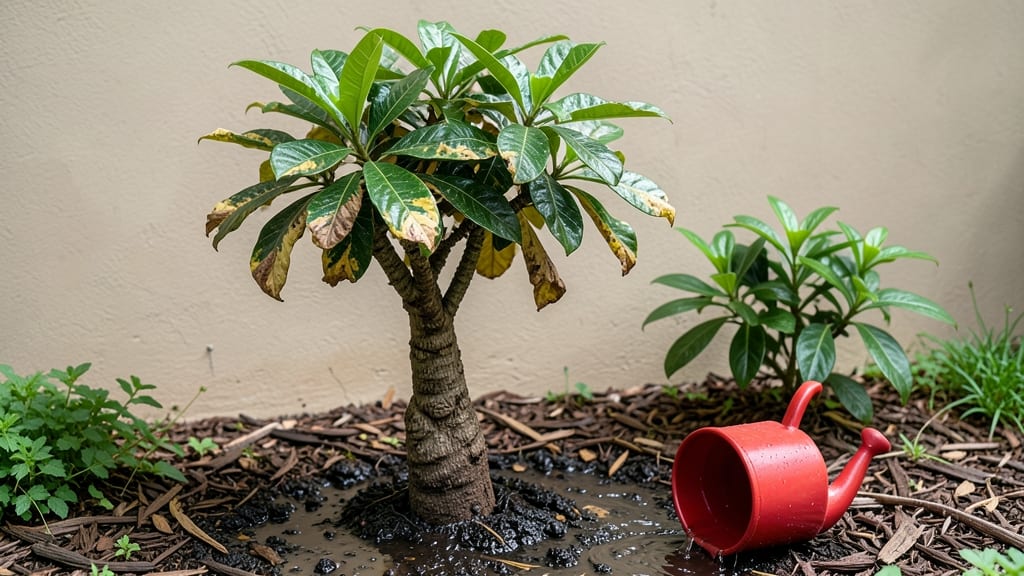
The overwatered money tree plant is begging for help—literally, with its drooping leaves. 🌱 Overwatering turns vibrant green into sad yellow, and before you know it, those sturdy stems start wobbling like jelly.
I've nursed more money trees back from the brink than I'd like to admit, and the good news? Recovery is simpler than you think.
The root of the problem (pun intended) is usually soggy soil that suffocates roots. Money trees store water in their thick trunks, so they need dry spells between waterings—not a constant drink.
Check the soil: if the top 2 inches feel damp, wait another week. And that pot? If it lacks drainage holes, it's basically a swamp for your plant.
Here's the game-changer: trim any mushy roots, repot in fresh, well-draining mix, and cut back on water to every 2-3 weeks. Within 4-6 weeks, you'll see new growth pushing through those droopy fronds. The key is patience—money trees bounce back when you give them space to breathe.
Once it's revived, keep it in bright, indirect light and water only when the top 3 inches of soil are bone dry. Your money tree will thank you with glossy leaves and that satisfying, sturdy growth. Trust me, this works—even for my famously black thumb.
The Hidden Triggers Behind Soggy Roots
Your money tree plant (Pachira aquatica) thrives on balance—too little water, and it wilts; too much, and its roots suffocate. But why does overwatering sneak up on even the most attentive plant parents?
Let’s break down the science behind the soggy soil syndrome, so you can spot the warning signs before they turn your lush green friend into a sad, yellowing mess. 🌱💧
Money trees hate soggy feet, but if your pot lacks proper drainage, water pools at the bottom instead of escaping. Here’s why this happens:
- Clogged drainage holes: Over time, soil particles, debris, or even mineral buildup can block holes, trapping water. A quick test? Flip your pot upside down—if water drips slowly (or not at all), your plant’s roots are sitting in a swamp.
- Compacted or heavy soil: Dense potting mixes (like those with high clay content) don’t allow air or water to move freely. Money trees need a well-aerated mix—think 50% potting soil, 30% perlite or pumice, and 20% orchid bark.
- No cache pot trick: Some growers place a layer of gravel or broken pottery at the bottom of the pot to create an air pocket. Without it, water sits directly against the roots, cutting off oxygen.
💡 Pro Tip: If your pot has no drainage holes, it’s time to repot. Choose a container with at least 2–3 drainage holes and elevate it on a saucer (not sitting in standing water).
We’ve all been guilty of giving our plants a drink “just in case.” But money trees are tropical—but not aquatic!—and their roots need breathing room. Here’s how human error turns helpful into harmful:
- Watering on a schedule: Sticking to a rigid “every Tuesday” routine ignores your plant’s actual needs. Money trees prefer their top inch of soil to dry out completely between waterings. Stick your finger in the soil—if it’s damp past your first knuckle, wait.
- Mistaking thirst for dehydration: Drooping leaves often signal underwatering, but overwatered plants also droop (just with a heavier pot and yellowing leaves). Always check the soil first!
- Using ice cubes or cold water: Sudden temperature shocks stress roots, making them more susceptible to rot. Water at room temperature and avoid “chilling” methods that promise slow absorption.
🔥 Action Step: Switch to the “finger test” and water only when the top 1–2 inches of soil feel dry. In winter, reduce watering by half—cool air slows evaporation, so roots stay wet longer.
Money trees love humidity (think 50–60% is ideal), but high humidity + poor airflow = a recipe for fungal infections and root rot. Here’s the connection:
- Stagnant air traps moisture: If your plant lives in a bathroom or kitchen with little ventilation, excess humidity lingers around the foliage and soil. Fungal spores thrive in these damp conditions, attacking roots before you notice.
- Overcrowded pots: If your money tree is root-bound (roots circling the bottom or poking out of drainage holes), it can’t absorb water efficiently. Roots in tight spaces also rot faster because they can’t “breathe.”
- Lack of airflow: Placing your plant in a corner or against a wall reduces air circulation. Roots need oxygen to function—without it, they suffocate, even if the soil seems moist.
🌡️ Fix It: Increase airflow by moving your plant to a brighter spot away from walls. Use a small fan on low setting near the plant (but not directly blowing on it) to mimic tropical breezes. A humidity tray with pebbles and water can help—just ensure the pot isn’t sitting in standing water.
Not all potting soil is created equal. Over time, even the best mix breaks down, losing its ability to drain and aerate properly. Here’s what’s really happening underground:
- Decomposed organic matter: As soil ages, organic materials (like peat moss) break down into dense, waterlogged sludge. This reduces porosity, so water pools instead of draining.
- Lack of amendments: Cheap or generic potting soil often lacks perlite, vermiculite, or bark—key ingredients for airflow. Money trees need a chunky mix to prevent compaction.
- Salt buildup from fertilizers: Over-fertilizing (even with diluted solutions) leaves mineral deposits in the soil. These salts disrupt water absorption, causing roots to “drown” in their own soggy, nutrient-clogged environment.
✨ Refresh Your Soil: Every 12–18 months, repot your money tree into a fresh, well-draining mix. Flush the old soil with water to remove salts, then rinse the roots gently before replanting. For a quick fix, top-dress with a 1-inch layer of orchid bark or coconut coir to improve drainage.
Revive Your Money Tree Now
Your money tree’s drooping leaves don’t mean it’s too late—with the right care, you can nurse it back to health and prevent future watering woes. Below are practical, step-by-step solutions tailored to the root causes of overwatering, from soggy soil to root rot.
Follow these fixes, and your plant will bounce back faster than you think!
If your money tree’s leaves are yellowing, mushy, or falling off, root rot is likely the culprit. Overwatering suffocates roots, cutting off oxygen and inviting fungal growth. Here’s how to save it:
🍳 Check the Roots (Gently!)
- Remove the plant from its pot and shake off excess soil to inspect the roots.
- Healthy roots are firm, white, or light tan. Rotten roots are black, mushy, or smell foul.
- Trim the bad with sterilized scissors (wipe with rubbing alcohol). Cut away only the blackened or squishy sections—never healthy tissue.
👨🍳 Repot in Fresh, Dry Mix
- Choose a pot with drainage holes (if yours lacks them, drill a few).
- Use a well-draining mix: Combine 50% potting soil, 30% perlite, and 20% orchid bark (or coco coir for moisture control).
- Repot the plant, ensuring the root crown sits just above the soil line (never buried).
- Let it air-dry for 24 hours before watering again.
⏰ Watering Reset Protocol
- First 3 days: No water. Let the roots recover.
- Days 4–7: Water only when the top 1–2 inches of soil feel bone-dry.
Stick your finger in—if it’s damp, wait. - After 7 days: Return to a weekly watering schedule (or less, depending on humidity).
> 💡 Pro Tip: If repotting isn’t an option, top-dress with dry perlite to improve drainage while keeping the plant in place.
Prevention is key! Money trees (Pachira aquatica) are drought-tolerant but hate soggy feet. Here’s how to water like a pro:
📊 The Finger Test (Best Method)
- Stick your finger 1–2 inches into the soil. If it’s:
- Dry: Water thoroughly until it drains from the bottom.
- Moist: Wait 1–2 more days.
- Wet/Soggy: Skip watering entirely and let it dry out.
🌡️ Seasonal Adjustments
| Season | Watering Frequency | Why? |
|---|---|---|
| Spring/Summer | Every 5–7 days | Hot weather = faster evaporation. |
| Fall/Winter | Every 10–14 days | Cool air = slower drying. |
🎯 Humidity & Location Hacks
- Move it away from AC vents or radiators (dry air speeds up moisture loss).
- Group plants together to create a microclimate with higher humidity.
- Mist leaves lightly 1–2x/week (but avoid soggy soil).
> ✨ Pro Tip: Bottom-watering (placing the pot in a tray of water for 10 mins) gives roots control over hydration—great for picky plants!
Once your money tree recovers, lock in good habits to keep it thriving:
🔪 Pot & Soil Upgrades
- Upgrade to a terracotta pot (breathable and dries faster than plastic).
- Add a layer of gravel at the bottom of the pot for extra drainage.
- Avoid "moisture-retentive" mixes—stick to chunky, airy soils.
🌧️ Rainy Day Rules
- If your plant gets accidental heavy rain (like on a windowsill), move it indoors and skip watering for 3–5 days.
- Use a saucer with drainage holes to catch excess water—empty it after 10 minutes.
🍃 Monitor Leaf Health
- Yellow leaves on top? Likely overwatered.
- Brown, crispy edges? Underwatered or low humidity.
- Drooping but firm leaves? Just thirsty—water and prop it up for support.
> 💡 Pro Tip: Weigh your pot—if it feels lighter than usual, it’s time to water. If it’s heavy, it’s still damp.
Your money tree is resilient—with these fixes, it’ll perk up in 2–4 weeks (or less if root rot wasn’t severe). Stick to the routine, and you’ll enjoy its lush, lucky foliage for years! 🌿💚
Frequently asked questions
Why do my money tree leaves turn yellow when overwatered?
Yellow leaves signal root stress from soggy soil. Overwatering cuts off oxygen to roots, causing them to rot and release nutrients too quickly. The plant sheds leaves to conserve energy. Check for mushy black roots—if present, trim the bad ones and repot in fresh, well-draining mix.
Can I save a money tree with root rot?
Yes! First, remove the plant and trim all black/mushy roots with sterilized scissors. Repot in a container with drainage holes using a mix of 50% potting soil, 30% perlite, and 20% orchid bark. Skip watering for 3 days to let roots recover. With proper care, new growth appears in 4-6 weeks.
How often should I water a money tree after recovery?
Wait until the top 1-2 inches of soil feel bone-dry—stick your finger in to test. In summer, water every 5-7 days; in winter, stretch it to 10-14 days. Terracotta pots dry faster than plastic, so adjust accordingly. Always empty saucers after watering to prevent root suffocation.
What’s the best pot for a money tree to prevent overwatering?
Choose a terracotta pot with drainage holes—it breathes better than plastic and dries faster. Add a 1-inch layer of gravel at the bottom to improve drainage. Avoid decorative pots without holes unless you’re committed to strict watering discipline. Elevate the pot on feet to prevent saucer water from seeping back in.
My money tree’s leaves are drooping but the soil feels dry—what’s wrong?
Drooping despite dry soil often means root-bound stress or low humidity. Gently remove the plant to check for roots circling the pot. If root-bound, repot into a slightly larger container. Increase humidity by misting leaves or placing the pot on a pebble tray with water. Avoid direct sunlight until leaves perk up.