
Watering
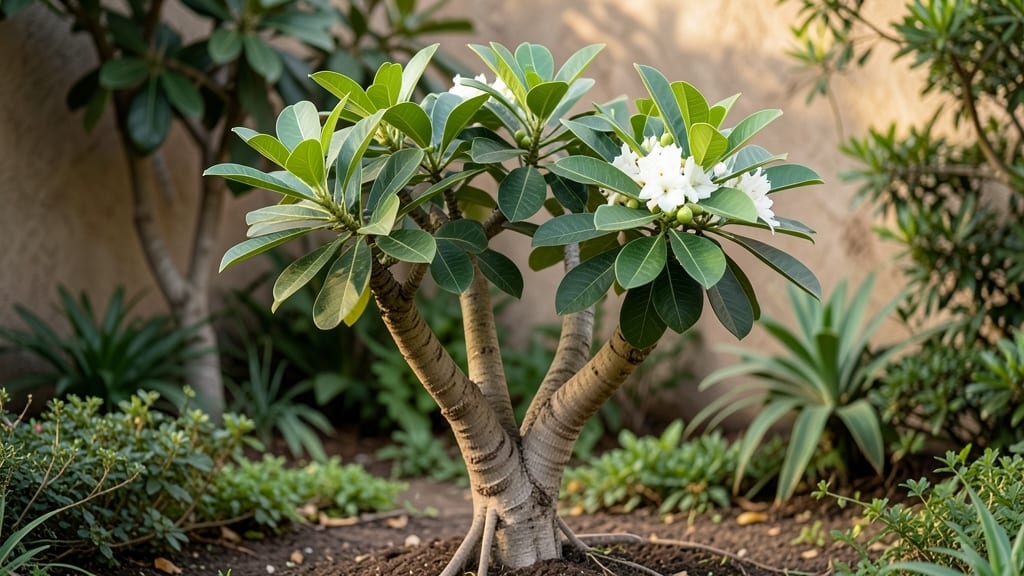
An overwatered money tree looks like it's drowning—glossy, limp leaves and stems that feel mushy when touched. 💚 I’ve seen this happen after just one week of overzealous watering, and the damage spreads fast.
The leaves turn yellow at the tips first, then brown edges creep inward like a slow-motion blight, while the soil stays soggy even days after watering.
The real giveaway? Soft, squishy stems that bend easily—healthy ones should feel firm. Root rot starts silently, turning the roots black and smelly, while the pot stays heavy with waterlogged soil.
Even the glossy leaves you might think are a good sign are actually a cry for help—too much water blocks oxygen, suffocating the roots.
Here’s the good news: recovery is possible if you catch it early. Let the top 2 inches of soil dry completely between waterings, and check drainage holes—if they’re clogged, repot into fresh, well-draining mix.
Within weeks, you’ll see new growth pushing through, and those limp leaves will perk up like they never had a problem.
Prevention is simpler than you’d think: stick your finger in the soil before watering. If it’s damp below the top inch, wait. Money trees are tough—they’d rather go thirsty than soggy. Trust me, your plant will thank you with fuller branches and that signature braided trunk you love.
Root Causes of Overwatering
Overwatering your money tree (Pachira aquatica) isn’t just about pouring too much water—it’s a chain reaction triggered by environmental and care-related factors. Understanding these root causes helps you adjust habits before damage sets in.
Let’s break down the science behind why your plant might be drowning in its own pot.
A money tree’s roots need oxygen to thrive, and poor drainage suffocates them. Here’s why this happens:
- Clogged Drainage Holes: If your pot lacks holes or they’re blocked by soil, excess water pools at the bottom, creating anaerobic conditions (no oxygen).
Roots starve for air and rot within 24–48 hours of saturation. - Compacted or Heavy Soil: Clay or dense potting mixes don’t allow water to escape easily.
Even if the pot drains, water lingers in the root zone, preventing proper aeration. - No Cache Pot Setup: If your decorative outer pot has no inner cache pot (a drainage layer), water sits against the roots indefinitely.
Actionable Fix: ✅ Use well-draining soil mixes (cactus/succulent blend + perlite). ✅ Elevate pots on feet or trays to prevent waterlogging from saucers. ✅ Test drainage: Pour water into the pot—if it doesn’t drain within 10 minutes, repot immediately.
Money trees are drought-tolerant—they store water in their thick stems and roots. Yet, many gardeners water on a fixed schedule without checking soil moisture, leading to chronic overwatering.
- Ignoring the "Finger Test": Sticking your finger 1–2 inches into the soil is the gold standard. If it’s damp, wait. If dry, water. Skipping this step means guessing—and guesswork kills roots. - Mistaking Thirst for Thirst: Money trees wilting slightly is normal (they’re succulents!).
Only water when leaves crisp at the edges (underwatering) or yellow and mushy (overwatering). - Seasonal Blind Spots: In winter, growth slows, and roots absorb water 50% slower. Watering the same amount as summer drowns them.
Actionable Fix: 📅 Water only when the top 2 inches of soil are bone-dry (spring/fall) or 3 inches (winter). 💡 Use a moisture meter for precision—aim for 40–60% moisture before watering.
Your money tree’s transpiration rate (how it releases water vapor) changes with humidity and temperature. High humidity slows evaporation, trapping moisture in the soil longer.
- Humid Climates or Bathrooms: If your plant lives in a high-humidity area (e.g., bathroom, kitchen), the soil stays wet for days. Roots can’t "breathe" because excess moisture blocks oxygen uptake. - Cold Drafts + Watering: Drafts from AC/heaters stress the plant, slowing root function.
Combined with watering, this creates a perfect storm for rot. - No Airflow: Stagnant air (like in a closed terrarium) traps moisture around leaves and soil, mimicking a rainforest—too much for a tropical but drought-adapted plant.
Actionable Fix: 🌬️ Improve airflow with a small fan (3–4 hours/day) or open windows. 🌡️ Reduce humidity below 60% with a dehumidifier or AC in summer. 🔥 Avoid cold drafts—keep pots away from vents and doors.
The pot’s size and material directly impact how quickly soil dries. Here’s how they backfire:
- Too Large a Pot: Big pots hold more water, which evaporates slowly. A 6-inch pot for a 12-inch tree means weeks of soggy soil before roots reach the edges. - Non-Porous Containers: Plastic or glazed ceramic pots don’t allow soil to dry evenly.
Water evaporates only from the surface, leaving roots in a wet zone. - No Aeration: Roots need contact with air—dense pots (like some terracotta without drainage) create waterlogged pockets.
Actionable Fix: 🏺 Repot into a pot just 1–2 inches larger than the root ball. 🔄 Switch to terracotta or fabric pots (breathable materials). 🚫 Avoid saucers—they trap excess water against the pot.
Once soil stays wet too long, pathogens move in, accelerating root rot. Common culprits:
- Pythium or Phytophthora: Water-mold fungi that consume roots in 3–5 days. They thrive in stagnant, anaerobic soil. - Erwinia or Pseudomonas: Bacteria that soften stems and turn leaves black.
They spread via contaminated water or tools. - Powdery Mildew: While less deadly, it clogs stomata (leaf pores), reducing transpiration and trapping moisture.
Actionable Fix: 🧼 Sterilize tools with rubbing alcohol before repotting. 💧 Use filtered or distilled water (tap water can carry bacteria). 🌿 Apply fungicide (neem oil or copper-based) if you spot mold.
Confusing underwatering and overwatering is a silent killer. Here’s how it happens:
- Yellow Leaves = Overwatering? Not always. Lower leaves yellowing often signals root rot, but upper leaves yellowing can mean nutrient burn from over-fertilizing. - Drooping = Thirsty? Money trees droop when underwatered, but they also droop when overwatered (roots can’t support the plant). - Brown Tips = Underwatering? Only if the soil is dry.
If the soil is wet, brown tips = salt buildup from overwatering with tap water.
Actionable Fix: 🔍 Check the soil first—lift the pot to feel weight (heavy = overwatered; light = underwatered). 📸 Take photos of symptoms and compare to this guide (link placeholder).
Pro Tip 💡: The "Knock Test" – Gently tap the pot. If the soil feels squishy (like wet sand), it’s overwatered. If it’s dry and crumbly, it’s time to water.
How to Fix an Overwatered Money Tree
If your money tree (Pachira aquatica) is drowning in too much love—or water—don’t panic! With the right steps, you can nurse it back to health and prevent future mishaps.
Below, we’ll break down the fixes based on the specific symptoms you’re seeing, plus some pro tips to keep your plant thriving long-term.
Yellow leaves are a classic sign of overwatering, often paired with soggy soil. Here’s how to revive your plant:
🔥 Step 1: Stop Watering Immediately
- Let the top 1–2 inches of soil dry out before watering again.
Stick your finger in the soil—if it’s damp past your first knuckle, wait. - Pro tip: If your pot lacks drainage holes, repot your money tree ASAP into a container with holes or add a layer of pebbles at the bottom to improve airflow. 💡
🍳 Step 2: Check the Roots
- Gently remove the plant from its pot and inspect the roots.
Healthy roots are white or light tan; mushy, black, or smelly roots are rotted and must be trimmed. - Use sterilized scissors to snip away the bad roots, then dust the cuts with cinnamon powder (a natural antifungal).
👨🍳 Step 3: Repot in Fresh, Well-Draining Soil
- Choose a terracotta pot (helps wick away moisture) and fill it with a mix of:
- 50% well-draining potting soil
- 30% perlite or pumice (for aeration)
- 20% orchid bark or coconut coir (for chunkiness)
- Pro tip: Avoid compacted soil—it traps moisture.
Fluff it up before repotting! ✨
🥘 Step 4: Adjust Your Watering Routine
- Water only when the top 1–2 inches of soil are bone-dry (usually every 2–3 weeks in warm weather, less in winter).
- Bottom-water your plant: Place the pot in a tray of water for 10–15 minutes, then drain excess.
This prevents over-saturating the roots.
If your money tree’s stems feel spongy or wilted, the stem tissue is breaking down from too much moisture. Here’s how to stabilize it:
🔪 Step 1: Prune Damaged Growth
- Use clean, sharp pruners to trim back any soft, mushy stems at a 45-degree angle just above a leaf node.
- Pro tip: If the stem is completely mushy, you may need to prune it back to a healthy section.
The plant can regrow from nodes! 🌱
⏰ Step 2: Increase Air Circulation
- Move your money tree to a bright, indirect light spot (no direct sun yet—it’s stressed!).
- Use a small fan on low setting nearby to dry the soil faster and reduce humidity around the plant.
🌡️ Step 3: Monitor Humidity & Temperature
- Overwatered plants often suffer in high humidity. Aim for 40–50% humidity—use a hygrometer to check.
- Keep temps between 65–80°F (18–27°C). Avoid cold drafts or sudden temperature swings.
Glossy, droopy leaves mean your money tree is stressed from excess water + poor airflow. Here’s how to reset its balance:
📊 Step 1: Test Your Soil’s Moisture Retention
- If your soil is clay-heavy or compacted, it won’t drain well.
Amend it with: - Sand (for grit) - Worm castings (for organic drainage) - Pro tip: Add a thin layer of horticultural charcoal to the soil mix to prevent bacterial growth. 🔥
🍎 Step 2: Adjust Light Exposure Gradually
- Move your plant to bright, indirect light (e.g., near an east-facing window).
- Avoid low-light corners—this slows drying and worsens overwatering.
- If leaves are curling or crispy, it may be recovering from sunburn (from sudden light changes).
Shield it with a sheer curtain for a few days.
🥗 Step 3: Fertilize Lightly (If Needed)
- Wait 4–6 weeks after repotting before fertilizing.
- Use a balanced, diluted liquid fertilizer (e.g., 10-10-10 at ¼ strength) once a month in spring/summer.
- Pro tip: Flush the soil every 3 months with water to remove salt buildup from fertilizer. 💪
Once your plant recovers, follow these easy habits to avoid overwatering again:
- 💡 Use the "Finger Test": Always check soil moisture before watering.
- 🌡️ Water Less in Winter: Growth slows, so reduce watering to every 3–4 weeks.
- ✨ Choose the Right Pot: Terracotta or fabric pots dry out faster than plastic.
- 🎯 Invest in a Moisture Meter: No more guesswork—just follow the readings!
- 🌿 Prune Regularly: Trim yellow or damaged leaves to redirect energy to healthy growth.
With these steps, your money tree should bounce back in 4–8 weeks—just give it time and patience. And remember: underwatering is easier to fix than overwatering, so when in doubt, wait before watering again! 🌿
Frequently asked questions
What do the leaves look like when a money tree is overwatered?
Overwatered money tree leaves turn yellow first at the tips, then develop brown edges that creep inward. They may also appear glossy and limp—almost like they’ve been overfed. The leaves might drop prematurely, and new growth will look weak or mushy.
How do I know if my money tree has root rot from overwatering?
Check the roots by gently removing the plant from its pot. Healthy roots are firm and white, while rotted roots are black, mushy, and smell foul. If you see this, trim away the bad roots with sterilized scissors and repot in fresh, well-draining soil immediately.
Why does my money tree’s soil stay wet even days after watering?
This usually means your pot lacks drainage holes or the soil is too dense. Money trees need soil that dries out between waterings—aim for well-draining mixes with perlite or orchid bark. If your pot has no holes, repot into one that does or add a layer of pebbles at the bottom.
Can I save my money tree if the stems feel soft or squishy?
Yes, but act fast! Prune back any mushy stems to healthy tissue, then repot in fresh soil. Increase airflow with a small fan and reduce humidity. Avoid watering until the soil is completely dry—usually 2–3 weeks. With proper care, new growth will emerge from the nodes.
How often should I water my money tree to prevent overwatering?
Water only when the top 1–2 inches of soil are bone-dry—typically every 2–3 weeks in warm weather, less in winter. Use the "finger test": stick your finger in the soil; if it’s damp, wait. Bottom-watering (placing the pot in a tray of water for 10 minutes) helps avoid over-saturating the roots.