
How To
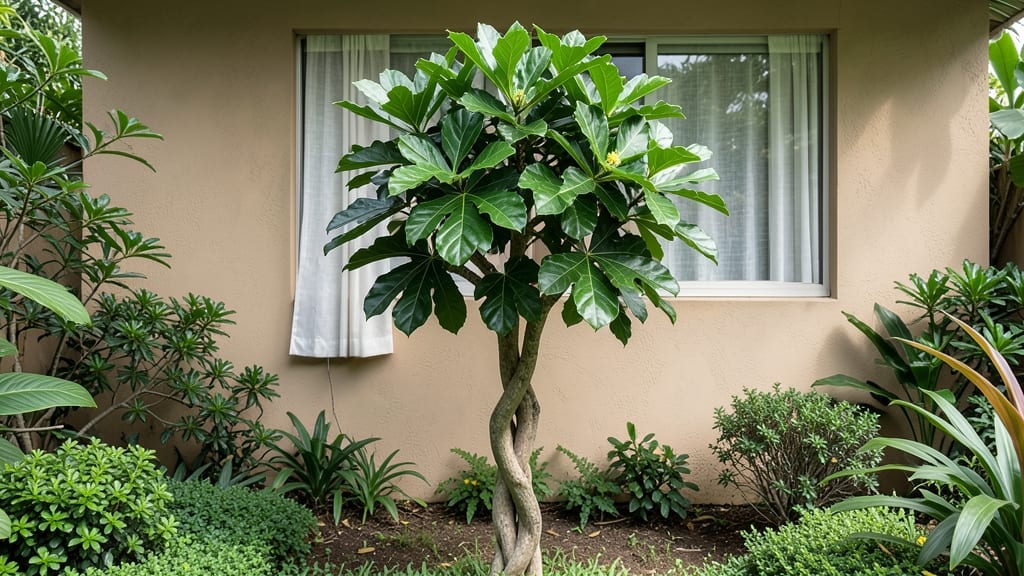
A money tree 💵 can grow indoors between 3 and 10 feet tall, but its final height depends on how you care for it—and whether you’re aiming for a towering statement piece or a compact desk companion.
If you’ve ever wondered whether your money tree will soon need a ceiling to reach its full potential, you’re not alone—indoor space constraints can turn this lucky plant into a tricky balancing act between growth and home decor harmony.
The key to controlling its height lies in light, pruning, and pot size. Too much light or a spacious pot can send it skyward, while strategic trimming keeps it at a manageable 2 to 4 feet for small spaces.
Below, I’ll break down the factors that shape your money tree’s height, plus care tips to train it exactly how you want—whether that’s a lush, floor-filling beauty or a neatly pruned tabletop plant.


Money tree height guide: indoor growth expectations by variety
Your money tree (Pachira aquatica) is a statement piece, but its height can vary dramatically depending on the variety and care you provide. In my small NYC apartment, I’ve watched my braided money tree grow from a 1-foot sapling to a 6-foot centerpiece—without needing ceiling clearance.
The secret? Understanding each variety’s growth potential and how to manage it.
Not all money trees reach for the sky. Some varieties stay compact, making them perfect for tall bookshelves or corner decor. Others, like the standard money tree, can grow 10 feet tall indoors if left unchecked.
Below, I’ll break down the height expectations for the most popular varieties and how to keep them at your desired size.
🌱 Pro Tip: The key to controlling height is pruning and pot size. A money tree in a 6-inch pot will stay smaller than one in a 16-inch planter, even if they’re the same variety. Always choose a pot just 1-2 inches larger than your plant’s root ball to slow vertical growth.
The braided money tree is the most popular variety, but its height depends on how you train it. In my studio apartment, I prune mine twice a year to keep it under 5 feet.
Without pruning, it can easily reach 10 feet, which is why I recommend this variety only for those with high ceilings or open spaces.
If you’re working with limited space, the dwarf money tree or Pachira Mini are game-changers. These varieties stay under 4 feet tall and grow slowly, making them ideal for desks, shelves, or windowsills. I’ve seen them thrive in 4-inch pots for years without outgrowing their space.
💡 Light Matters: A money tree in low light will grow taller and leggy as it stretches for sunlight. Place yours near an east or north-facing window to encourage compact, bushy growth. In my experience, bright indirect light keeps the plant 20–30% shorter than in dim corners.
Pruning isn’t just about height control—it’s also about encouraging bushiness. When you prune, always cut just above a leaf node (the bump where leaves grow). This encourages new branches to form.
I prune my money tree in early spring and late summer to maintain its shape and prevent it from becoming top-heavy.
One common misconception is that braided money trees grow faster than standard varieties. In reality, their braided stems are often
How to control money tree height indoors: pruning and training secrets
Controlling your money tree's height indoors is all about timing and technique. Without proper pruning, your Pachira aquatica can easily outgrow its space, reaching 6-10 feet in ideal conditions. But with strategic cuts, you can keep it compact—perfect for apartments or small offices.
The key is understanding when and how to prune for either height control or bushier growth.
Most gardeners make the mistake of pruning at the wrong time, which can shock the plant or limit its potential. For example, cutting back in winter months (December-February) slows growth, while spring and summer pruning encourages new shoots.
Your money tree's growth rate also depends on light exposure—bright indirect light fuels faster growth, while dim corners stunt it.
⚠️ Height Reality Check
Unpruned money trees indoors can hit 8-10 feet in 3-5 years, but dwarf varieties max out at 2-4 feet. Braided money trees grow slower naturally (3-5 ft), while standard varieties need regular pruning to stay under 6 feet. Overwatering or root-bound pots accelerate height growth—always use pots 1-2 inches larger than the plant's current diameter.
To maintain a desired height, prune in early spring (March-April) when new growth begins. Use sterilized pruning shears to cut just above a leaf node—this encourages branching.
For a bushier shape, trim the top 1/3 of the stem; for height control, pinch back the top 2-3 leaves to slow vertical growth. Always remove yellow or damaged leaves first—they signal stress.
Did you know your pruned cuttings can root easily? Place 4-6 inch stems in water with 2-3 nodes submerged. In 4-6 weeks, roots will form—perfect for creating new plants!
This method also reduces waste and gives you backup plants. Just avoid taking cuttings from overly woody stems, as they root poorly compared to younger growth.
Common mistakes like over-pruning or using dull shears can harm your money tree. Always make clean cuts at a 45-degree angle to prevent disease. Also, avoid pruning in fall or winter, as the plant needs energy to recover before dormancy.
If your tree grows lopsided, rotate the pot quarter-turns weekly to ensure even light exposure.
For bonsai-style money trees, combine pruning with wiring techniques to shape branches. Use copper or aluminum wire to gently bend stems into curves, but remove after 3-4 months to avoid scarring.
Pair this with regular fertilizing (every 4-6 weeks) to support compact growth. With patience, you can keep your money tree at desired heights while enjoying its lush foliage.