
Planting
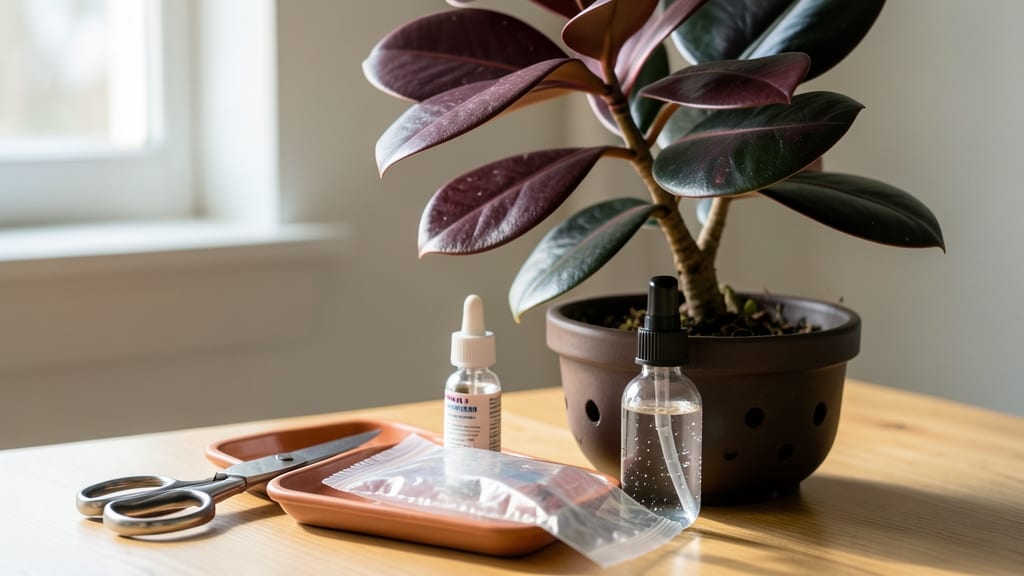
Your rubber tree (Ficus elastica) can become a lush, fuller plant with just a few strategic cuts—healthy growth starts with the right pruning technique. 🌿 I’ve turned leggy rubber trees into bushy statement plants using this simple method, and the best part?
You don’t need fancy tools or a green thumb to pull it off. The key is timing: late spring or early summer, when the plant is actively growing and can recover quickly.
Start by gathering sharp pruning shears (clean them with rubbing alcohol first) and a small pot with well-draining soil for any cuttings you take. Focus on removing overgrown branches at the node—where leaves meet the stem—and aim to cut just above a leaf or bud.
This encourages new growth in the right direction. If you’re propagating, dip the cut end in rooting hormone (optional but helpful) before placing it in moist soil.
After pruning, your rubber tree will reward you with fresh, vibrant leaves within 4-6 weeks, and those cuttings can root and grow into new plants. The plant will stay compact, with fewer bare stems and more foliage.
Just keep the soil lightly moist (not soggy) and place the plant in bright, indirect light—no direct sun for a few days after pruning.
This method works for both young and mature rubber trees, and you can repeat it every 1-2 years to maintain shape. The best part? You’ll end up with more plants and a healthier look—without spending a dime. Ready to give it a try?
📚 In This Guide
- What you need
- Instructions
- Tips and common mistakes
- Wrapping up and next steps
What you need
- ● Sharp pruning shears or bypass pruners – Choose sterilized, bypass-style shears (avoid anvil pruners to prevent crushing stems). Size: 5–7 inches for medium-sized rubber trees.
- ● Clean, sharp garden knife or pruning saw – For thicker branches (1+ inch diameter). Look for a carbon steel blade for durability.
- ● Rubbing alcohol (70% or higher) or hydrogen peroxide (3%) – To sterilize tools before and after cutting (prevents disease spread).
- ○ Pruning sealant (optional but helpful) – A tree wound dressing (like Tanglefoot or pruning wax) to protect large cuts from infection.
- ● Disposable gloves – Latex or nitrile gloves to protect your hands from latex sap (can irritate skin).
- ● Newspaper or plastic sheeting – To lay down and catch sap drips or fallen leaves.
- ● Small container or bucket – For collecting cuttings if you plan to propagate new plants.
- ● Hand lens or magnifying glass – To inspect buds and growth points for precise cuts.
- ● Spray bottle with water – To mist cuttings or dampen soil after pruning.
- ● Cactus/succulent soil mix – If propagating cuttings, this helps prevent rot.
- ● Rooting hormone gel – Speeds up root growth for new cuttings (e.g., Clonex or Dip ‘N Grow).
Step-by-step instructions for pruning a rubber tree plant
Here’s how I prune rubber plants to keep them lush, compact, and thriving year-round.
✂️ Step 1: Assess and Plan Your Pruning
Start by examining your rubber tree for overgrowth, leggy stems, or areas where branches crowd together. Healthy rubber trees have glossy, dark green leaves and sturdy stems—anything leggy or sparse needs attention. I like to prune in late winter or early spring when the plant is just waking up from dormancy, but you can do light shaping anytime.
Use clean, sharp pruning shears to make cuts just above a leaf node (the bump where leaves grow). This encourages new growth at the exact spot. If you’re removing a large branch, cut back to a smaller stem or bud to avoid leaving a stub. Never cut into the trunk unless it’s damaged—rubber trees handle pruning best when you focus on the branches.
🌿 Step 2: Remove Dead or Damaged Growth First
Look for yellowing leaves, brown stems, or any branches that look weak or diseased. These should go first—they’re sapping energy from your plant. Snip them off at the base, and don’t worry about the size; rubber trees are forgiving. If a branch is hollow or mushy inside, it’s a sign of rot, and you’ll need to remove it entirely to prevent spreading.
After removing the dead material, wipe down your shears with rubbing alcohol to sterilize them. This prevents bacteria or fungus from jumping to healthy parts of the plant. You’ll notice the plant looking instantly tidier, and new growth will fill in those gaps faster than you think.
⏰ Step 3: Shape the Plant for Balance and Airflow
Rubber trees grow tall and can become top-heavy if not pruned regularly. I aim for a balanced shape by trimming longer branches to encourage bushier growth. Cut back the tallest stems by about one-third to a leaf node, and remove any branches that rub against each other—they’ll eventually damage each other’s bark.
Step back and look at your plant from all sides. If one side looks sparse, focus pruning there to even things out. Avoid cutting more than 25% of the plant’s foliage in a single session—this can stress the rubber tree. You’ll see new leaves sprouting within 4-6 weeks at the pruned spots, signaling healthy regrowth.
💧 Step 4: Care for Your Rubber Tree After Pruning
Water your rubber tree deeply the day after pruning to help it recover. The roots will need extra moisture as the plant focuses energy on healing cuts and growing new leaves. Place it in bright, indirect light for a few weeks—direct sun can stress a freshly pruned plant. If you notice leaves dropping, it’s usually just the plant adjusting, but keep an eye out for wilting or yellowing beyond the first week.
Hold off on fertilizing for 4-6 weeks unless your plant looks nutrient-deficient. New growth will be slow at first, but within 8-12 weeks, you’ll see a fuller, more vibrant rubber tree. This is the time to start light fertilizing again if you’re using a balanced houseplant feed.
Tips & tricks for pruning a rubber tree plant
Here's what nobody tells you about pruning that'll keep your rubber tree thriving for years.
Timing is Everything: Late winter or early spring is ideal because the plant is just waking up from dormancy and can handle stress better. But if you spot leggy growth or crowded branches anytime, don't wait—light pruning anytime of year is better than nothing. Just avoid heavy pruning during the plant's peak growing season (summer), as it needs all its energy for new growth.
The Technique That Changed Everything: When shaping your rubber tree, always cut just above a leaf node—this little bump where leaves grow is where new branches will sprout. I learned this the hard way after pruning too close to the stem and leaving ugly stubs. Use clean, sharp shears and make cuts at a 45-degree angle to prevent water from pooling on the wound, which could cause rot.
Don't Stress the Plant: Never remove more than 25% of the foliage in one session—that's the golden rule for rubber trees. I once overdid it and ended up with a sad, droopy plant that took months to recover. After pruning, you'll see new leaves sprouting within 4-6 weeks at the pruned spots, so be patient and resist the urge to over-prune.
Aftercare Makes All the Difference: The day after pruning, give your rubber tree a deep watering to help it recover. Place it in bright, indirect light for a few weeks—direct sun can stress a freshly pruned plant. And here's a pro tip: hold off on fertilizing for 4-6 weeks unless your plant looks nutrient-deficient. This gives it time to focus on healing and growing new leaves.
Pro Tips for Cutting A Rubber Tree Plant
- Here's what nobody tells you about pruning that'll keep your rubber tree thriving for years.
- Timing is Everything: Late winter or early spring is ideal because the plant is just waking up from dormancy and can handle stress better.
- The Technique That Changed Everything: When shaping your rubber tree, always cut just above a leaf node—this little bump where leaves grow is where new branches will sprout.
Frequently asked questions
Got questions about cutting your rubber tree plant? You’re not alone! Here are some of the most common concerns—plus quick, practical answers to keep your plant thriving.
When is the best time to prune a rubber tree?
The ideal time is late winter or early spring (just before new growth starts). Avoid heavy pruning in fall or winter, as the plant needs energy to recover. Light trimming for shape can happen anytime, but major cuts stress the tree if done at the wrong time.
How do I know if I’m cutting too much?
Remove no more than 20-30% of the plant’s foliage in a single session. Signs of over-pruning include yellowing leaves, slow growth, or bare stems. If you’ve already cut too much, reduce watering and fertilize lightly to help the tree bounce back.
Can I propagate rubber tree cuttings from pruned branches?
Take 4-6 inch cuttings from healthy stems, let them dry for a few hours, and dip in rooting hormone. Plant in well-draining soil and keep humid (use a plastic bag or propagator). Roots typically form in 4-8 weeks with patience and warmth.
Why is my rubber tree leaking white sap after pruning?
This is normal—rubber trees (Ficus elastica) produce latex when cut. The sap is harmless but can stain surfaces. Wear gloves, wipe it up with a damp cloth, and avoid touching your eyes. If the sap turns yellow or smells foul, it could signal disease (like fungal infection).
Should I seal the cuts after pruning?
No need for sealants! Rubber trees don’t require wound dressing—their latex naturally protects the cuts. Just ensure your pruners are clean and sharp to minimize damage. Over-sealing can trap moisture and invite pests or rot.
How often should I prune my rubber tree?
Light pruning (removing dead or yellow leaves) can happen monthly. Structured shaping (like trimming leggy growth) every 6-12 months keeps it full and bushy. Avoid overdoing it—rubber trees grow slowly and prefer less frequent, strategic cuts.
Wrapping up and next steps
Cutting a rubber tree plant is all about patience, precision, and a little green-thumb love! 🌱 By following the right techniques—like using clean tools, targeting the right branches, and timing your cuts properly—you’ll encourage lush growth, prevent disease, and shape your tree into a stunning centerpiece.
Remember, every snip is a step toward a healthier, happier plant!
Now that you’re armed with knowledge, grab those shears and get pruning! Start small, observe your tree’s response, and adjust as you go. Happy gardening—your rubber tree will thank you with vibrant, thriving foliage for years to come. 🌿✨