
Watering
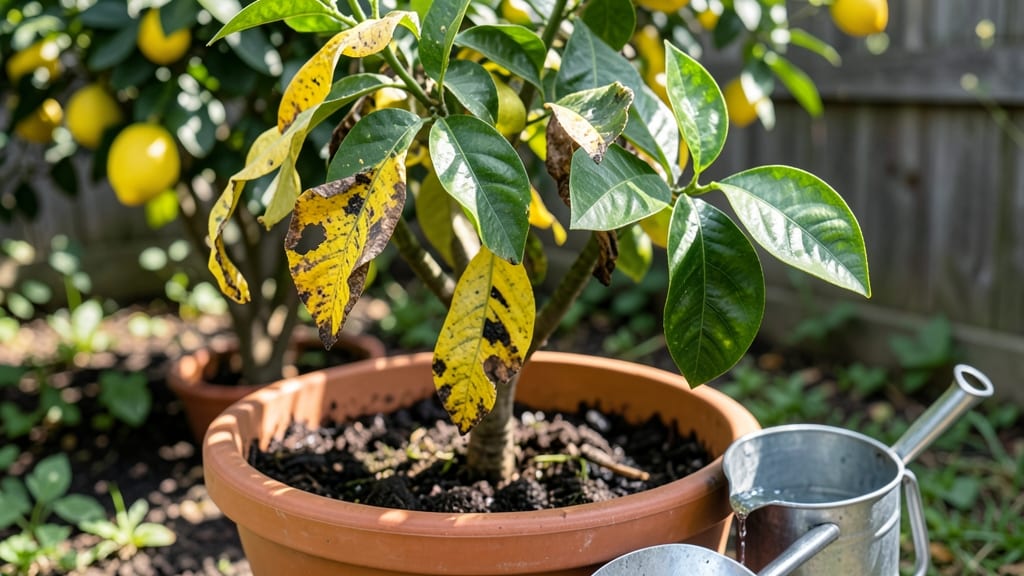
Your lemon tree’s drooping leaves might be screaming for help—literally. 🌿 Overwatered lemon trees show yellowing, mushy stems, and leaves that feel limp between your fingers, not crisp. I’ve nursed back more than a few of these with these three key steps, and the difference is night-and-day within days.
The first clue? Stick your finger in the soil—if it’s damp past 2 inches down, you’ve overdone it. Root rot sets in fast, cutting off oxygen to roots and leaving leaves wilted and curled at the edges.
My own tree looked like a sad houseplant until I drained the pot and adjusted the watering schedule to once every 10-14 days, depending on the season. By the end of the week, you’ll see new growth pushing through, leaves perking up, and that telltale glossy green shine returning.
The secret isn’t just cutting back on water—it’s improving drainage with perlite or sand and choosing pots with drainage holes that actually work. Trust me, your tree will thank you with lemons by next spring.
Here’s the thing—most people water lemon trees like they’re desert cacti, then panic when the leaves start to droop. The truth? These citrus trees thrive on consistency, not drought or soggy soil.
My go-to fix starts with pruning any yellow or mushy leaves (yes, it’s sad but necessary) and letting the soil dry out completely between waterings.
Long-term, the real game-changer is amending your soil with 20% perlite or coarse sand to improve aeration. I also switch to a 10-inch pot with drainage holes—no more saucers that trap water.
Once you’ve got the right setup, you’ll water only when the top inch of soil feels dry, and your tree will reward you with shiny, healthy foliage and eventually, those prized lemons.
Root Causes of Overwatering Damage
When your lemon tree’s leaves start looking sad—yellowing, wilting, or dropping—it’s often a cry for help from roots drowning in excess moisture. But why does this happen? Let’s break down the key culprits behind overwatered lemon tree leaves, so you can fix the problem at its source.
Lemon trees thrive in well-draining soil, but if your pot or garden bed lacks proper drainage, water pools around the roots instead of flowing away. Over time, this creates an anaerobic (oxygen-deprived) environment, where roots suffocate and can’t absorb nutrients efficiently.
- Why it happens: Compacted clay soil, small drainage holes in pots, or a lack of organic matter (like perlite or sand) traps water.
- Science behind it: Roots need oxygen to respire and function. Without it, they release ethylene gas, a stress signal that triggers leaf yellowing and drop.
- Actionable fix: Test drainage by filling a pot with water—if it doesn’t drain within 10–15 minutes, add coarse sand or gravel to the bottom.
Many gardeners stick to a rigid watering schedule, but lemon trees don’t follow calendars—they respond to soil moisture. Overwatering based on time (e.g., "every Tuesday") rather than actual thirst leads to soggy roots and nutrient deficiencies.
- Why it happens: Cool, cloudy days slow evaporation, while hot sun drains soil faster. A one-size-fits-all approach ignores these variables.
- Science behind it: Excess water leaches essential nutrients (like nitrogen and potassium) from the soil, starving the tree. It also promotes fungal root rot (e.g., Phytophthora), which clogs root cells and blocks water uptake.
- Actionable fix: Stick your finger 2–3 inches into the soil. If it’s damp, wait. Use a moisture meter for precision.
Potted lemon trees are especially vulnerable because containers often lack escape routes for excess water. Without holes, roots sit in a permanent swamp, accelerating rot and stress signals to the leaves.
- Why it happens: Plastic, ceramic, or fabric pots without drainage force water to stagnate, while saucers underneath trap moisture against the pot’s base.
- Science behind it: Stagnant water encourages anaerobic bacteria to thrive, producing toxins that burn root tips and disrupt the tree’s ability to uptake water and minerals.
- Actionable fix: Repot into containers with multiple drainage holes (minimum ¼-inch diameter). Elevate pots on feet or casters to prevent saucer buildup.
If your lemon tree is outdoors, unpredictable rain can turn a well-intentioned watering session into a disaster. Without adjusting for natural moisture, you’re essentially double-dosing water to already-saturated soil.
- Why it happens: Heavy rainfall + your watering routine = overhydration. Some gardeners also overcompensate after droughts, leading to sudden root shock.
- Science behind it: Sudden water surges disrupt the root zone’s osmosis balance, causing cells to swell and burst (cytoplasmic rupture). This triggers abscission (leaf drop) as the tree sheds damaged foliage.
- Actionable fix: Move potted trees to covered areas during storms. For in-ground trees, mulch heavily (3–4 inches) to regulate soil moisture.
Pro Tip: 💡 Yellowing leaves with crisp edges often signal overwatering, while soft, mushy stems confirm root rot. Act fast—prune affected leaves and adjust watering to save your tree!
Revive Your Lemon Tree in 3 Steps
If your lemon tree’s leaves are drooping, yellowing, or falling due to overwatering, don’t panic—there’s hope! 🌱 The key is to act fast, adjust your care routine, and give your tree the right conditions to bounce back. Below, we’ve broken down the most effective fixes based on the root causes (yes, pun intended) of overwatering. Follow these steps to nurse your lemon tree back to health and keep it thriving long-term.
Before making any other changes, halt the damage by addressing the moisture overload. Overwatered roots can’t breathe, leading to root rot or suffocation.
💧 Fix: Adjust Your Watering Schedule
- Check the soil first: Stick your finger 2–3 inches deep into the soil. If it’s damp or cool to the touch, wait before watering.
If it’s bone-dry, you may have been underwatering recently—balance is key! - Water only when needed: Lemon trees prefer moderate moisture but hate soggy roots.
Aim for watering once every 1–2 weeks (adjust based on climate—hotter = more frequent, cooler = less). - Use the "drench-and-dry" method: When you water, soak the soil deeply until water runs out the drainage holes. Then, let the top 2–3 inches dry out completely before watering again.
🌡️ Pro Tip: Upgrade Your Pot (If Needed)
- If your lemon tree is in a plastic or non-breathable pot, switch to a terracotta or fabric pot to improve drainage and airflow.
- Ensure the pot has drainage holes—no exceptions!
If yours doesn’t, drill them or repot immediately.
Poor drainage is the #1 enemy of overwatered lemon trees. Healthy roots = happy leaves. Let’s give your tree’s roots the space and conditions they deserve.
👨🍳 Fix: Repot or Refresh the Soil
- For container trees:
- Remove the tree gently from its pot and inspect the roots.
If you see black, mushy roots (signs of rot), trim them with sterilized scissors and repot in fresh, well-draining soil. - If roots look healthy but the soil is compacted, loosen the top 2 inches of soil with a fork to improve aeration. - For in-ground trees: - Dig a 1-foot-deep trench around the base and mix in perlite, sand, or compost to lighten the soil.
This helps excess water drain away faster.
🥘 Fix: Choose the Right Soil Mix
Lemon trees thrive in fast-draining, slightly acidic soil (pH 6.0–7.0). Avoid heavy clay or garden soil that holds too much moisture.
| ✅ Ideal Soil Mix | ❌ Avoid |
|---|---|
|
|
⏰ Pro Tip: Elevate Your Pot (If Possible)
- Place your pot on feet or a saucer with pebbles to prevent water from pooling at the bottom. This mimics natural conditions and reduces root rot risk.
Now that you’ve fixed the watering and drainage issues, focus on helping your lemon tree recover. Patience and consistency are key!
💡 Fix: Trim Damaged Foliage
- Remove yellow or brown leaves with clean pruning shears. This redirects energy to new, healthy growth.
- Prune lightly: Trim back any leggy or overcrowded branches to improve airflow and sunlight penetration.
📊 Fix: Fertilize Smartly (But Sparingly)
- Wait 4–6 weeks after repotting before fertilizing to avoid burning stressed roots.
- Use a balanced, citrus-specific fertilizer (like 6-6-6 or 8-3-9) every 6–8 weeks during growing season (spring–fall).
- Dilute fertilizer to half-strength to prevent salt buildup, which can further stress the tree.
🌡️ Pro Tip: Monitor Humidity and Light
- Humidity: Lemon trees love 40–60% humidity.
If your home is dry (common in winter), use a humidifier or place a tray of water near the tree. - Light: Ensure your tree gets 6–8 hours of bright, indirect sunlight daily. South- or west-facing windows are ideal. If indoors, supplement with a grow light in winter.
Once your lemon tree is back on track, follow these habits to avoid future overwatering disasters:
- 💡 Use a moisture meter: These $10 tools tell you exactly when to water—no guesswork!
- 🌡️ Water in the morning: This gives leaves time to dry, reducing fungal risks.
- 🎯 Group plants together: This creates a microclimate with more stable humidity.
- 🔥 Mulch lightly: Add a 1-inch layer of mulch (like bark chips) to retain just enough moisture without smothering roots.
- 🌱 Know your lemon tree’s needs: Dwarf varieties (like ‘Meyer’ lemons) need less water than standard types.
With these fixes, your lemon tree should start showing signs of recovery in 2–4 weeks—new green leaves, firmer stems, and maybe even a few blossoms! 🌸 Stay consistent, and your tree will reward you with juicy lemons for years to come. Happy growing!
Frequently asked questions
How can I tell if my lemon tree's drooping leaves are from overwatering vs. underwatering?
Check the soil first—if it's damp 2-3 inches down, you're overwatering. Overwatered leaves feel limp and mushy, while underwatered leaves turn crispy at the edges. Also, overwatered roots often smell sour, while underwatered roots look dry and shriveled.
Will my lemon tree recover if I've been overwatering it for weeks?
Yes, but act fast! Stop watering immediately and let the top 3 inches of soil dry completely. Prune any black/mushy roots and repot in fresh, well-draining soil. With proper care, you'll see new growth in 2-4 weeks. Patience is key—don't rush recovery!
What's the best way to fix drainage in my lemon tree's pot?
Start by adding a 2-inch layer of gravel or perlite to the bottom of the pot. Then use a mix of 50% potting soil, 30% perlite, and 20% compost. If your pot lacks drainage holes, drill them or switch to a terracotta pot with built-in holes.
Can I save my lemon tree if the leaves are already falling off?
Don't panic! Prune the fallen leaves and focus on fixing drainage and watering habits. Healthy roots will produce new leaves within 3-6 weeks. Avoid fertilizing until new growth appears—stressed roots need time to recover before nutrients.
How often should I water my lemon tree after fixing overwatering issues?
Wait until the top 2 inches of soil feel dry before watering again. In summer, this might be every 5-7 days, while winter care requires watering only every 2-3 weeks. Always water deeply until it runs from drainage holes.