
Container Gardens
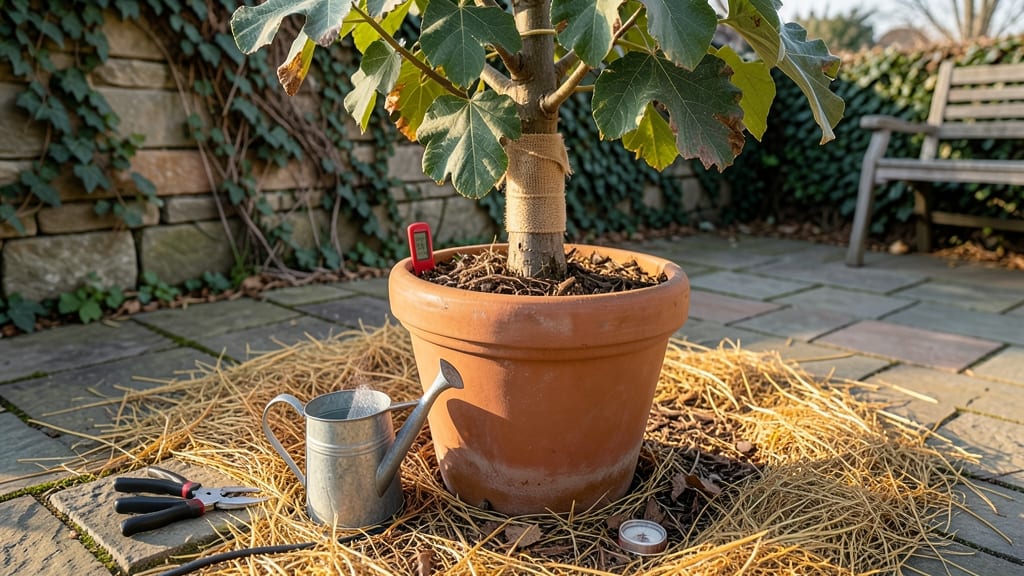
Cold snaps can turn your potted fig tree’s winter care into a crispy mess—unless you know these foolproof tricks. 🌱 I’ve nursed figs through winters in Zone 5 by adjusting light, water, and shelter, and the difference is night-and-day come spring.
The key? Treating winter like a dormancy period, not a death sentence.
Start by moving your fig indoors before temps drop below 25°F—a bright, cool room (60–65°F) mimics its natural Mediterranean winter.
Cut back on watering to once every 2–3 weeks (let the top inch of soil dry out), and prune any dead or weak branches to encourage fresh growth in spring. The goal? Keep it alive, not lush.
By spring, your fig will reward you with vibrant new leaves and fruit potential—proof that winter care isn’t about survival, it’s about setting up a stronger season. Even in cold climates, potted figs thrive with the right prep. Let’s break down the exact steps to pull it off.
Pro tip: If you’re overwintering outdoors, wrap the pot in burlap and bury it halfway in the ground for insulation. The roots stay warmer, the plant stays happier. And no, you don’t need a greenhouse—just smart adjustments.
📚 In This Guide
- What you need
- Instructions
- Tips and common mistakes
- Wrapping up and next steps
What you need
- ● Potting mix: Well-draining, organic-rich mix (e.g., 60% potting soil, 30% perlite, 10% compost). Quantity: Enough to refresh 20-30% of the pot’s volume.
- ○ Container: A pot with drainage holes (1-2 inches larger in diameter than the root ball). Optional: Add a cache pot for extra insulation.
- ● Mulch: Straw, pine needles, or shredded bark (2-3 inches thick). Pro tip: Avoid synthetic mulches—they can trap moisture!
- ● Frost cloth or bubble wrap: Lightweight, breathable cover (large enough to drape over the pot).
- ● Watering can with a fine rose: For gentle hydration without disturbing roots.
- ● Pruning shears: Sterilized, sharp shears (for trimming dead or weak branches).
- ● Fertilizer: Balanced, slow-release granular fertilizer (5-10-5 ratio). Quantity: 1 tbsp per gallon of soil.
- ● Heating mat: For pots in freezing zones (set to 40-50°F).
- ● Thermometer: Soil probe type to monitor root-zone temps.
- ● Support stakes: If your fig tree is top-heavy (e.g., bamboo stakes + soft ties).
- ● Hose with shutoff nozzle: For rinsing off salt buildup from frost protection.
Step-by-Step instructions for potted fig tree winter care
Here’s how I keep my potted fig trees thriving through winter—no fancy equipment, just simple prep.
🌱 Step 1: Move to a Sheltered, Sunlit Spot
Start by relocating your potted fig tree to a protected location—think a covered porch, garage with natural light, or even a sunny basement window. Figs need 6+ hours of sunlight daily, but they also hate cold drafts. A spot where temps stay above 40°F is ideal. If your garage lacks windows, supplement with a grow light for 12 hours a day.
I always check for drafts—cold air rushing past the pot can shock the tree. If your space is chilly, add a small space heater (safely placed) to maintain a steady 50-60°F range. Watch for leaves curling or yellowing; that’s your cue the air’s too cold.
☀️ Step 2: Reduce Watering and Check Soil Moisture
Winter slows growth, so your fig tree needs far less water—about half as much as in summer. Water only when the top 2 inches of soil feel dry to the touch. Overwatering in cold temps leads to root rot, which is a silent killer. I stick my finger in the soil; if it’s damp past 2 inches, wait a few more days.
Drainage is critical. Ensure your pot has holes, and empty the saucer immediately after watering to prevent soggy roots. If your tree’s pot lacks drainage, elevate it on a tray with pebbles to allow airflow underneath. Yellowing leaves often mean overwatering—adjust your schedule if you see this.
✂️ Step 3: Prune for Health and Shape
Late winter (just before buds swell) is the perfect time to prune. Remove dead, diseased, or crossing branches first—these are easy to spot. Then, thin out overcrowded growth to improve airflow. I aim to shape the tree into an open vase form, which helps sunlight reach the center. Cut back overly long branches by about one-third to encourage bushier growth next season.
Use clean, sharp pruners to make cuts just above a leaf node or outward-facing bud. Avoid cutting into old wood—figs struggle to regrow from large, thick branches. After pruning, give the tree a light feeding with a balanced fertilizer (like 10-10-10) to support new growth. This is the time to reward the tree for its hard work.
🪴 Step 4: Protect Roots from Freezing Temps
If your winter dips below 30°F, insulate the pot’s roots. Wrap the outer pot (not the soil) in bubble wrap or frost cloth to slow temperature swings. For extra protection, bury the pot halfway in straw or mulch—this mimics the ground’s natural insulation. I also move the pot onto a thick layer of foam board to shield it from cold floors or concrete.
Monitor the soil’s edges—if ice forms, your tree’s roots are at risk. In extreme cold, bring the pot indoors temporarily, but avoid sudden temperature changes. A gradual move (over 24 hours) prevents shock. If you notice blackened or mushy roots when repotting, trim them back and repot with fresh soil.
⏰ Step 5: Resume Normal Care in Early Spring
When daytime temps consistently stay above 50°F, it’s time to transition your fig back to its summer routine. Gradually reintroduce full sunlight and increase watering as new growth appears. I start by watering when the top inch of soil feels dry, then return to a regular schedule once leaves unfurl.
Fertilize lightly in early spring with a fruit-tree-specific formula to jumpstart growth. Watch for new shoots—these signal the tree’s waking up. If you notice buds swelling but no leaves, it might need more light or warmth. Adjust accordingly, and by late spring, your fig will be ready to thrive again.
Tips & tricks for perfect potted fig tree winter care
Winterizing your potted fig tree doesn't have to be complicated—these simple strategies will keep it thriving even when temperatures drop.
Lighting Strategy: In Step 1, if you're supplementing with a grow light for those 12 hours, position it just 6-12 inches above the tree. Figs need bright light to stay healthy, but too close can scorch leaves. I use a simple LED grow bulb that mimics sunlight—it's energy-efficient and works perfectly for maintaining that 6+ hours of light requirement.
Temperature Monitoring: The 40-60°F range mentioned in Steps 1 and 4 is ideal, but don't rely solely on guesswork. Place a small thermometer near the tree to track temperatures continuously. I've seen sudden drafts drop temps below 40°F overnight, which can shock the tree. If you notice leaves curling or dropping, that's your signal to move the tree to a warmer spot immediately.
Pruning Precision: When you're pruning in Step 3, focus on removing branches that are growing inward or crossing each other. These compete for sunlight and nutrients, which your fig tree can't afford during winter. I also recommend sterilizing your pruners with rubbing alcohol between cuts—this prevents spreading any potential diseases that could weaken your tree during its dormant period.
Root Protection: For Step 4's insulation, I've found that wrapping the pot in bubble wrap works wonders, but don't stop there. Add a layer of newspaper or cardboard around the bubble wrap for extra insulation. This creates an air pocket that helps maintain more stable temperatures around the roots. Just remember to remove any plastic directly touching the soil—figs hate soggy roots.
Pro Tips for Potted Fig Tree Winter Care
- Winterizing your potted fig tree doesn't have to be complicated—these simple strategies will keep it thriving even when temperatures drop.
- Lighting Strategy: In Step 1, if you're supplementing with a grow light for those 12 hours, position it just 6-12 inches above the tree.
- Temperature Monitoring: The 40-60°F range mentioned in Steps 1 and 4 is ideal, but don't rely solely on guesswork.
Frequently asked questions
How cold is too cold for a potted fig tree?
A potted fig tree typically handles temperatures down to 15–20°F (-9 to -7°C) if it’s cold-hardy (like ‘Chicago Hardy’ or ‘Celeste’ varieties). However, most figs struggle below 20°F (-7°C) unless protected. If your area dips lower, move it indoors or use frost cloth. Pro tip: Check your variety’s hardiness zone—it’s your best guide!
Should I bring my potted fig tree inside for winter?
Yes, if your winters drop below 20°F (-7°C) or your fig isn’t cold-hardy. Place it in a bright, cool spot (like a sunroom or near a south-facing window) with 50–60°F (10–15°C) temps. Avoid heaters or drafts—figs hate sudden temperature swings. Bonus: Reduce watering to prevent root rot in dry indoor air.
How often should I water a potted fig tree in winter?
Water sparingly—only when the top 1–2 inches of soil are dry. Overwatering in winter can drown roots, especially indoors where humidity drops. Every 2–4 weeks is a safe rule, but check soil moisture first. Watch for: Wilting or yellow leaves (signs of over/under-watering).
Will my fig tree lose leaves in winter? Is that normal?
Yes! Many potted figs drop leaves in winter to conserve energy, especially if moved indoors. This is normal—don’t panic. Prune dead leaves to redirect energy to roots. If your tree stays outdoors, it may keep some foliage but grow slower. Fun fact: New leaves (and fruit!) often return vigorously in spring.
Can I keep my fig tree outside all winter with extra protection?
if your variety is cold-hardy and you take precautions! Wrap the pot in bubble wrap or frost cloth, insulate the base with mulch or straw, and place it against a south-facing wall for warmth. Avoid wet conditions—drainage is key. Test it: Start with short cold snaps to harden the tree gradually.
My fig tree’s leaves turned brown—what went wrong?
Brown leaves usually mean overwatering, cold stress, or sunburn. Check these fixes:
- Cold damage: Move to a warmer spot or cover it.
- Sunburn: Shield from harsh winter sun with sheer fabric.
- Root rot: Let soil dry out and repot if needed.
Wrapping up and next steps
With these winter care tips, your potted fig tree can thrive even in chilly months—no green thumb required! 🌱❄️ Remember, the key is consistency: monitor moisture, protect from frost, and keep it cozy. Once spring arrives, your fig tree will reward you with lush growth and delicious fruit.
Ready to give your plant the best start? Next up: Plan your spring feeding schedule or explore container-friendly fig varieties for even easier care! 🌿