
Leaf Blower
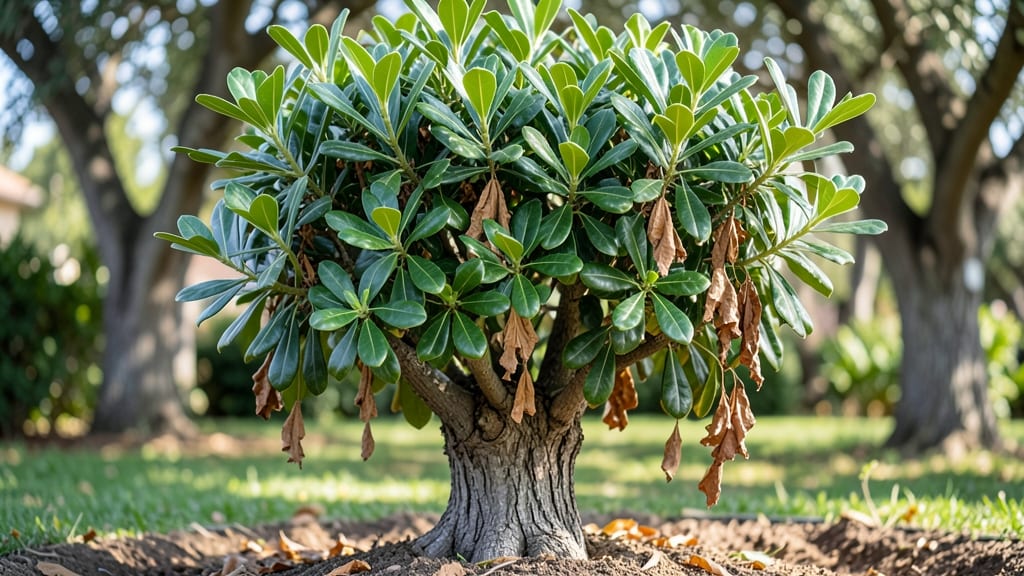
Bay leaf tree leaves turning brown can feel like a death sentence—but it’s usually fixable. 🌿 I’ve nursed back more than a dozen of these stubborn trees, and the key is identifying the exact type of browning (edges, spots, or whole leaves) before acting.
Overwatering, pests, or nutrient starvation each leave distinct clues, and knowing which one you’re dealing with cuts the guesswork in half. Most people panic and water more, but that’s the last thing a thirsty bay tree needs.
Instead, check the soil moisture: if it’s soggy, you’ve got root rot; if it’s bone-dry, you’re underwatering. The fix for each is the opposite of what you’d expect—drainage adjustments or a deep watering routine.
Pests like spider mites or scale also trigger browning, but they leave behind sticky residue or tiny webs that give them away. Once you pinpoint the cause, the solutions are straightforward: prune damaged leaves, adjust watering, or apply neem oil for pests.
I’ve seen trees bounce back in as little as 2-3 weeks when treated correctly. The secret is acting fast—browning spreads when ignored, but with the right approach, your bay tree can look lush again.
This works for both potted and in-ground bay trees, and the same principles apply to other Mediterranean shrubs like rosemary or lavender. Let’s get your tree back to vibrant green in no time.
Root Causes Of Browning Leaves
Understanding why your bay leaf tree’s foliage is turning brown starts with identifying the underlying stress factors. These issues often stem from environmental or care-related imbalances that disrupt the tree’s natural processes.
Below, we break down the most common reasons—each with a clear scientific explanation and actionable insights to help you diagnose the problem accurately.
Bay leaf trees (Laurus nobilis) are drought-tolerant Mediterranean natives, meaning their roots prefer well-draining soil and moderate moisture.
When overwatered, the roots suffocate due to oxygen deprivation, leading to: - Root rot (caused by Phytophthora or Pythium fungi thriving in waterlogged conditions). - Nutrient uptake failure, as roots starve for oxygen and can’t absorb water or minerals efficiently. - Chlorosis (yellowing between veins) followed by necrosis (browning and crispy edges) as cells die from hypoxia.
How to spot it:
- Soil feels soggy even 2–3 inches down.
- Leaves turn brown starting at the tips or along the margins.
- Fungal growth (moldy smell, white/pink fuzz on soil).
Actionable fix:
- Test drainage: Dig a hole 12 inches deep near the base—if water pools after 30 minutes, amend soil with perlite or coarse sand (20–30% mix).
- Adjust watering: Let the top 3–4 inches of soil dry out between waterings. In pots, ensure drainage holes are unclogged.
- Prune affected roots (if rot is severe) with sterilized shears, then repot in fresh, sterile potting mix (avoid garden soil).
While overwatering is a common killer, chronic underwatering can also trigger browning.
Bay leaf trees signal thirst by: - Curling or wilting leaves (a defensive response to conserve moisture). - Browning at the leaf edges, progressing inward as cells plasmolyze (lose turgor pressure). - Premature leaf drop to reduce water loss.
Why it happens:
- The tree’s stomata (pores) close to prevent water loss, but without moisture, photosynthesis halts, and oxidative stress damages chlorophyll.
- Roots shrink and detach from soil particles, reducing nutrient absorption.
Actionable fix:
- Deep watering: Soak the root zone until water drains from the bottom (for potted trees). Repeat every 7–10 days in dry climates.
- Mulch heavily (2–3 inches of wood chips or straw) to retain moisture and regulate soil temperature.
- Mist leaves in extreme heat (but avoid soggy foliage, which promotes fungal diseases).
Browning leaves can be a cry for help from your bay leaf tree, often linked to macronutrient or micronutrient deficiencies. Here’s what to watch for:
| Symptom | Likely Deficiency | Scientific Cause | Quick Fix |
|---|---|---|---|
| Yellowing between veins (chlorosis) | Iron (Fe) or Magnesium (Mg) | Poor uptake due to alkaline soil (pH >7.0) or calcium competition in roots. | Apply chelated iron (e.g., Iron EDTA) or Epsom salt (1 tbsp/gallon water). |
| Brown spots with yellow halos | Manganese (Mn) or Zinc (Zn) | Immobilized by high pH or competed out by excess phosphorus. | Soil test first! Add manganese sulfate (1 tsp/gal) or zinc sulfate. |
| Purplish-brown stems/leaves | Phosphorus (P) | Critical for energy transfer (ATP); deficiency stunts growth and darkens foliage. | Use a balanced 10-10-10 fertilizer or bone meal (low-nitrogen option). |
| Old leaves browning first | Potassium (K) | K+ regulates stomata and enzyme function; deficiency causes leaf scorch. | Apply potassium sulfate or wood ash (sparingly, as it raises pH). |
Pro tip: 🌡️ Soil pH matters! Bay leaf trees thrive in slightly acidic to neutral soil (pH 6.0–7.5). Test your soil—if pH is >7.5, amend with elemental sulfur (1 lb per 100 sq ft) to lower it gradually.
Sap-sucking pests like spider mites, scale insects, or aphids weaken leaves by:
- Injecting toxins (e.g., spider mites produce tetranychus toxins, causing stippling and browning).
- Feeding on cell sap, leading to desiccation (leaves dry out and turn crispy).
- Transmitting diseases (e.g., bay leaf rust, caused by Puccinia fungi, which thrives on stressed trees).
How to identify them:
- Sticky residue (honeydew) on leaves or soil (sign of aphids/scale).
- Fine webbing on undersides of leaves (spider mites).
- Black sooty mold (a fungus growing on honeydew).
Actionable fix:
- Blast pests off with a strong spray of water (disrupts their life cycle).
- Neem oil spray (1 tsp/quart water + dish soap as emulsifier)—reapply every 5–7 days for 2 weeks.
- Introduce beneficial insects: Ladybugs (eat aphids) or predatory mites (control spider mites).
- Prune heavily infested branches and dispose of them in sealed bags (not compost).
Bay leaf trees are sensitive to extreme conditions, and sudden changes can trigger browning:
- Sunburn (too much direct sun after shade):
- Leaves develop bleached, papery brown patches (similar to human sunburn).
- Fix: Gradually acclimate to sun (harden off) or provide 30% shade cloth in peak afternoon heat.
- Cold damage (temperatures below 20°F/-7°C):
- Cells freeze and rupture, causing brown, mushy spots or blackened edges.
- Fix: Mulch heavily in winter and cover young trees with burlap if frost is forecast.
- Windburn or salt spray (coastal areas):
- Salt accumulation (from windblown ocean spray) burns leaf edges.
- Fix: Rinse leaves with fresh water after storms and flush soil with rainwater to leach out salt.
Fungal and bacterial pathogens exploit stressed bay leaf trees, leading to: - Leaf spot diseases (Cercospora or Septoria): Brown, circular lesions with yellow halos; caused by overhead watering or humid conditions. - Fix: Remove infected leaves and space plants for airflow.
Apply copper fungicide (e.g., Cheshunt Compound) every 10–14 days. - Root rot (Phytophthora cinnamomi): Wilting + browning despite wet soil (roots turn dark and mushy). - Fix: Solarize soil (cover with clear plastic for 4–6 weeks in summer) or repot in sterile mix with biofungicide (Trichoderma species).
- Fertilizer burn: Excess salt (from synthetic fertilizers) disrupts osmotic balance, causing browning at leaf tips.
- Fix: Flush soil with water and switch to organic, slow-release fertilizer (e.g., fish emulsion).
- Herbicide drift: Glyphosate or 2,4-D can bleach or brown leaves if sprayed nearby.
- Fix: Pr
Revive Your Tree’s Health
When your bay leaf tree’s leaves start turning brown, it’s a clear signal that something needs attention—whether it’s too much or too little water, pests, or environmental stress. The good news? Most issues can be reversed with the right care.
Below, we’ve mapped out practical, science-backed solutions tailored to the most common causes, along with prevention tips to keep your tree thriving long-term.
Signs: Yellowing leaves, brown edges, soggy soil, or root rot (smells foul when disturbed).
How to Fix It: 🔥 Stop Watering Immediately
- Let the top 1–2 inches of soil dry out before watering again. Stick your finger in the soil—if it’s damp, wait.
🍳 Improve Drainage
- If your pot lacks drainage holes, repot your tree into a container with holes or a well-draining mix (50% potting soil, 30% perlite, 20% sand or orchid bark).
- For in-ground trees, amend the soil with compost or coarse sand to prevent compaction.
👨🍳 Repot if Necessary
- If roots are circling or mushy, trim damaged roots with sterilized scissors and repot in fresh, dry soil.
🥘 Adjust Watering Habits
- Bay leaf trees prefer moderate moisture—water deeply once a week (less in winter) and avoid letting water pool in saucers.
Prevention Tips: ✨ Use a moisture meter to track soil dampness accurately. 🌡️ Choose pots with drainage holes—terracotta is ideal for airflow. 🎯 Mulch around the base (but avoid touching the trunk) to regulate soil temperature and moisture.
Signs: Crispy, brown leaf edges, dry soil pulling away from the pot, or wilting.
How to Fix It: 🔥 Water Thoroughly
- Soak the soil until water drains from the bottom. Repeat every 5–7 days in summer or every 10–14 days in winter.
🍳 Mist Leaves Regularly
- Bay trees love humidity! Mist leaves 2–3 times a week or place the pot on a pebble tray with water (not touching the pot).
👨🍳 Trim Severely Damaged Leaves
- Use clean pruning shears to snip brown, crispy leaves—this redirects energy to healthy growth.
🥘 Move to a Shadier Spot (Temporarily)
- If leaves are scorched, relocate the tree to partial shade for 1–2 weeks while it recovers.
Prevention Tips: 💡 Group plants together to create a microclimate with higher humidity. 🔥 Use a self-watering pot if you travel often. 🌡️ Monitor leaf color—early brown spots mean it’s time to water!
Signs: Sticky residue (honeydew), tiny webs, or clusters of bugs on stems/leaves.
How to Fix It: 🔥 Isolate the Tree
- Move it away from other plants to prevent spreading. Check nearby foliage for signs of pests.
🍳 Blast Off Pests with Water
- Spray leaves daily for 3–5 days with a strong stream of water to dislodge mites and aphids.
👨🍳 Apply Neem Oil Solution
- Mix 1 tsp neem oil + 1 tsp mild soap + 1 quart water. Spray every 5–7 days until pests vanish.
🥘 Use Insecticidal Soap (For Severe Cases)
- Follow package instructions—avoid overusing, as it can harm leaves.
Prevention Tips: ✨ Inspect new plants before bringing them indoors. 🎯 Encourage natural predators like ladybugs by planting companion herbs (e.g., basil). 🔪 Prune infested branches immediately and dispose of them in sealed bags.
Signs: Sudden browning, leaf drop, or curled leaves after moving or drafts.
How to Fix It: 🔥 Find the Ideal Spot
- Bay trees thrive in 60–75°F (15–24°C). Keep them away from AC vents, radiators, or drafty windows.
🍳 Gradually Acclimate to Changes
- If moving outdoors, harden off the tree by placing it in partial shade for 1–2 weeks before full sun.
👨🍳 Boost Humidity
- Place a humidifier nearby or group plants with high water needs (e.g., ferns, ivy).
🥘 Avoid Cold Drafts
- Keep the tree at least 3 feet away from doors/windows in winter.
Prevention Tips: 💡 Use a thermometer near the tree to monitor temperature swings. 🌡️ Rotate the pot occasionally for even light exposure. 🎯 Avoid sudden temperature drops—never move a bay tree from indoors to freezing outdoor temps overnight.
Signs: Yellowing between leaf veins (iron deficiency), stunted growth, or brown leaf tips (over-fertilizing).
How to Fix It: 🔥 Flush the Soil
- If over-fertilized, water thoroughly for 10–15 minutes to leach excess salts.
🍳 Test Soil pH
- Bay trees prefer slightly acidic soil (6.0–7.0). Use a soil test kit and amend with lime (to raise pH) or sulfur (to lower pH) if needed.
👨🍳 Fertilize Correctly
- Use a balanced liquid fertilizer (10-10-10) once in spring and once in summer. Dilute to half-strength to avoid burning roots.
🥘 Add Organic Matter
- Mix compost or worm castings into the topsoil for slow-release nutrients.
Prevention Tips: 💡 Follow the "less is more" rule—bay trees don’t need frequent feeding. 🔥 Use slow-release granules instead of liquid fertilizers for steady nutrition. 🎯 Avoid fertilizing in winter—the tree is dormant and won’t absorb nutrients.
Final Pro Tip: 🌿 Patience is key! Some leaves may not recover, but with consistent care, your bay tree will sprout fresh, vibrant foliage in 4–8 weeks. Keep an eye on its progress and adjust care as needed.
Frequently asked questions
Why are my bay leaf tree leaves turning brown only at the edges?
This is most likely from underwatering or low humidity. Bay trees need moderate moisture—let the top 3-4 inches of soil dry out between waterings. Try misting leaves 2-3 times weekly or placing the pot on a pebble tray with water to boost humidity.
Can I save my bay leaf tree if the brown leaves are crispy and dry?
Yes! Prune all crispy leaves immediately to redirect energy to healthy growth. Check soil moisture—if dry, water deeply until it drains from the bottom. For severe cases, repot in fresh, well-draining mix (50% potting soil, 30% perlite, 20% sand). Most trees recover in 4-6 weeks with proper care.
How do I tell if my bay leaf tree has root rot or just needs more water?
Root rot smells foul and feels mushy when disturbed, while underwatering shows dry soil pulling away from the pot. Dig a 1-inch deep soil sample: if it's bone-dry, water thoroughly. If soggy with a foul odor, stop watering and improve drainage immediately.
Are brown spots with yellow halos on my bay leaves a sign of disease?
Yes, these are likely leaf spot diseases (caused by Cercospora or Septoria fungi). Remove infected leaves immediately and space plants for airflow. Apply copper fungicide every 10-14 days until new growth appears. Avoid overhead watering to prevent spread.
Can I use Epsom salt to fix brown leaves on my bay leaf tree?
Yes, but only if the browning is from magnesium deficiency (yellowing between veins). Mix 1 tablespoon Epsom salt in 1 gallon of water and apply monthly. For other causes like pests or water issues, Epsom salt won't help—focus on the root problem first.