
Trees
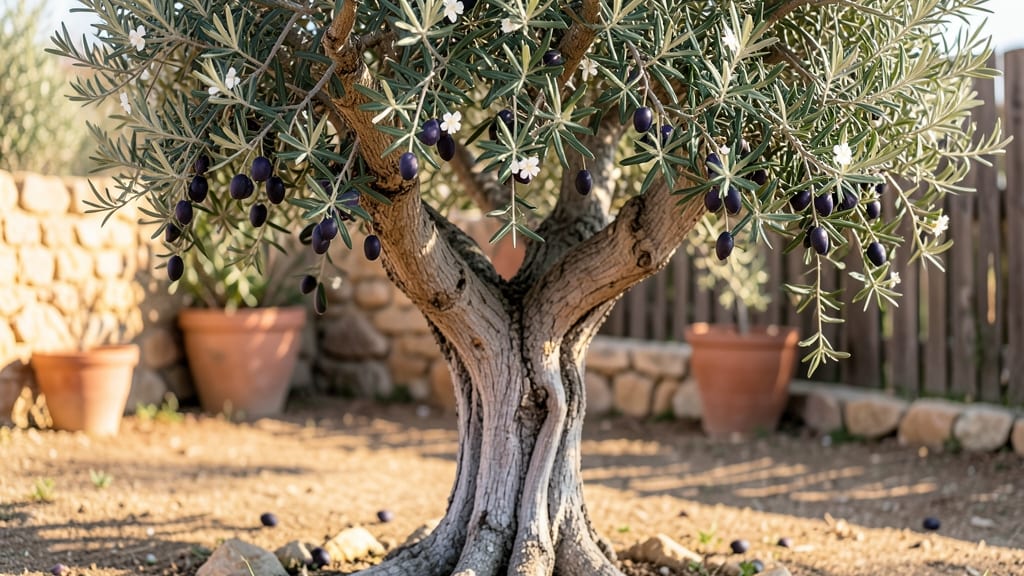
Olive trees thrive in USDA hardiness zones 8 through 10, though some cold-hardy varieties like Arbequina or Frantoio can survive brief dips to 15°F (-9°C) with proper protection. In colder zones, container growing or microclimates extend their range.
Understanding an olive tree's hardiness zone isn't just about the numbers—it's about how these trees naturally adapt to temperature shifts. 🌿 In their native Mediterranean climate, olives experience hot summers and mild winters, which triggers their dormancy response. This means they can handle brief cold snaps better than prolonged freezing.
The key difference between zones 8-10 and colder climates lies in how quickly the tree can recover from temperature drops, with proper mulching and wind protection making all the difference in marginal zones.
For gardeners in zones 7 and below, selecting the right variety is your best defense against winter damage. Cold-hardy olives like Arbequina (which tolerates down to 15°F) or Leccino (with similar resilience) are excellent choices, but their success depends on proper site selection.
Planting near south-facing walls or using thick mulch layers can add critical protection. Container growing also works well in colder areas, as you can easily move potted trees to sheltered spots during freeze warnings.
💡 In This Article
- Understanding Olive Tree Cold Tolerance and USDA Zone Science
- Best Cold-Hardy Olive Varieties for USDA Zones 7 and Below
Understanding olive tree cold tolerance and USDA zone science
Olive trees (Olea europaea) evolved in Mediterranean climates where winter temperatures rarely drop below 20°F (-6°C), but their cold tolerance varies dramatically between varieties. The USDA zones 8-10 represent the sweet spot because these ranges align with olives' natural dormancy cycle.
When temperatures fall below 40°F (4°C) for extended periods, the tree triggers a physiological response: it drops leaves to conserve energy and reduces metabolic activity. This dormancy mechanism allows olives to survive brief cold snaps, but prolonged freezing damages cell structures, particularly in young shoots and flower buds.
The tree's cold sensitivity isn't uniform—roots are generally more resilient than above-ground growth. Soil acts as an insulator, maintaining temperatures 5-10°F warmer than the air, which is why proper mulching (with 4-6 inches of organic matter) can protect roots in marginal zones.
Canopy damage occurs first when temperatures drop below 25°F (-4°C), with leaves turning black and brittle. The critical threshold for most varieties is 15°F (-9°C), where even cold-hardy types like Arbequina begin suffering irreversible damage without protection.
Chilling hours—prolonged exposure to temperatures between 32-45°F (0-7°C)—play a crucial role in olive hardiness. These hours trigger hormonal changes that prepare the tree for dormancy. In zones 7 and below, where winters are colder, olives may not receive enough chilling hours, leading to poor fruit set or weak growth.
This is why some growers in colder climates use artificial chilling methods or select varieties bred for shorter dormancy periods, like the Frantoio olive, which handles 15°F (-9°C) better than most.
Microclimates can extend an olive's range by 2-3 USDA zones in colder regions. Planting near south-facing walls, using windbreaks, or creating a "sun pocket" where heat radiates from dark surfaces can raise local temperatures by 5-15°F.
In containers, the soil's ability to retain heat also helps—potted olives in 15-gallon pots or larger can withstand 5°F colder temperatures than in-ground plants. The trade-off? Container-grown trees need winterizing, like wrapping the pot in insulation or moving it to a garage during freezes.
What most gardeners overlook is the role of soil moisture during cold snaps. Wet soil conducts heat away from roots, increasing freeze damage risk. In zones 7-8, keeping soil slightly dry (but not bone-dry) in late fall helps insulate roots better than saturated ground.
This is why experienced growers in colder areas often use a gravel layer beneath mulch—it improves drainage while adding insulation. The science here is simple: dry, well-mulched soil stays 3-7°F warmer than damp soil during freezes.
For those pushing olives into zone 6 or colder, consider dwarf varieties like 'Little Ollie,' which mature faster and have smaller canopies that warm up quicker in spring. Their compact size also makes them easier to protect with row covers or temporary greenhouses.
The key takeaway? Olive cold tolerance isn't just about the variety—it's a combination of site selection, soil prep, and winter care that turns marginal zones into viable growing areas.