
Blooming
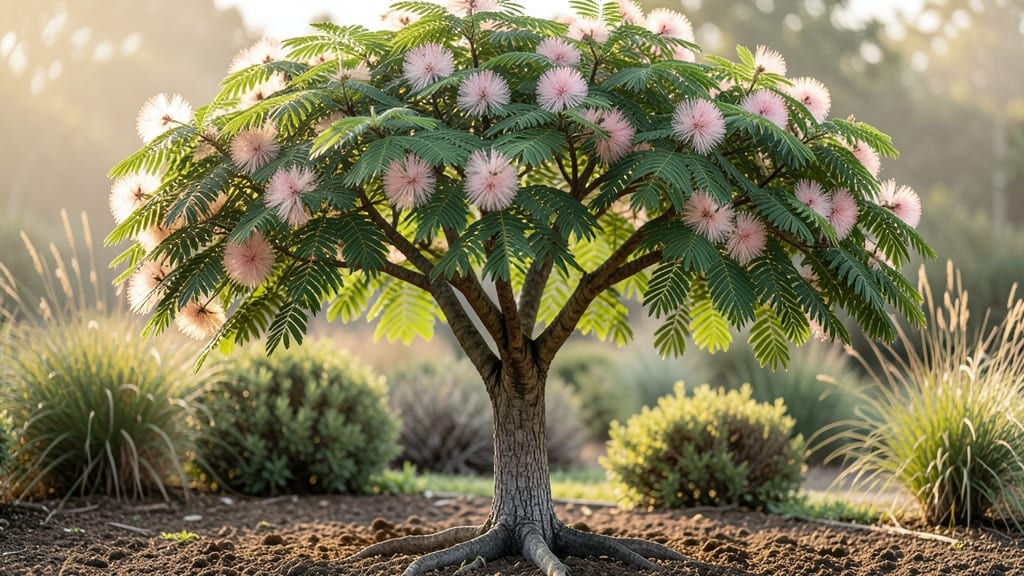
The mimosa tree bloom time is a fleeting but magical window—typically April to June in most of the U.S.—when your yard transforms into a cloud of soft pink pom-poms and intoxicating fragrance.
If you’ve ever dreamed of a backyard filled with fragrant, fuzzy pink blooms, timing is everything. These show-stopping flowers only appear for a few short weeks each year, and missing them means waiting another full season.
But here’s the good news: with the right care, you can coax your mimosa tree (🌸 Albizia julibrissin) into blooming just a little longer—or even trigger a second flush later in summer.
Where you live makes all the difference. In cooler climates like USDA Zone 6a, blooms kick off in late April, while warmer zones like Florida might see them year-round. Sunlight, pruning, and even a light fertilizer boost can shift that window by weeks.
Below, I’ll break down the exact months for your region, plus the simple tricks to extend that dreamy display.
Ready to turn your mimosa’s bloom time into a longer, brighter spectacle? Let’s dive into the science—and the secrets—behind those iconic puffs of color.
Mimosa tree bloom time: months by USDA climate zones
Timing your mimosa tree's blooms means planning for a 3-4 week floral spectacle that transforms your yard into a pink, fuzzy paradise. The Albizia julibrissin, also called silk tree, thrives in USDA Zones 6-10 but shows dramatic bloom time variations based on your exact location.
In colder zones, expect late spring bursts of color, while warmer climates may enjoy year-round blooming with seasonal peaks.
Understanding these patterns helps you anticipate peak bloom periods and adjust care routines accordingly. For example, Zone 6 gardeners might see blooms as early as late May, while Zone 10 trees could flower twice yearly.
Microclimates—like urban heat islands or coastal breezes—can shift these timelines by 2-4 weeks, so local observations matter most.
Here's your zone-by-zone bloom calendar, including early, peak, and late-season variations to help you plan:
In Zone 6, where I first grew mimosas, the late May onset coincides with soil warming to 60°F+. This timing aligns with the tree's need for consistent warmth to break dormancy.
Meanwhile, my Zone 9 friends report blooms as early as March, often triggered by coastal breezes that moderate temperatures.
Microclimates create localized variations worth noting. For instance, a south-facing yard in Zone 7 might see blooms 2 weeks earlier than a north-facing site. Urban areas with heat island effects can push bloom times forward by 3-4 weeks, while high-elevation gardens may delay them until June.
Always observe your tree's cues—leaf emergence often precedes blooms by 1-2 weeks.
Frost plays a critical role in Zone 6-7 regions. A late spring frost after buds form can damage or delay blooms entirely. To mitigate this risk, I recommend light mulching in early spring and avoiding heavy pruning until after the last frost date.
In warmer zones, fall pruning helps maintain shape without disrupting bloom cycles.
For Zone 8-10 gardeners, the key is water consistency. Mimosa trees in these zones often experience drought stress during summer, which can shorten bloom periods. Deep watering 2-3 times weekly during peak bloom months (May-July) keeps flowers vibrant longer.
In Zone 10, where I've seen mimosas bloom year-round, the secret is regular pruning to remove spent flowers and encourage new growth.
Pro tip: Mark your calendar 2 weeks before peak bloom in your zone. This gives you time to adjust care routines, like increasing watering frequency or applying a balanced fertilizer (10-10-10) to support flower production.
The 3-4 week bloom window is your chance to enjoy the tree's signature fragrance and showy pink pom-poms, so plan accordingly!
🌸
How to extend mimosa bloom time with pruning and care
Want to turn your mimosa tree’s 2-3 week bloom into a month-long floral show? The secret lies in strategic pruning and seasonal care that encourage repeat flowering.
Mimosa trees (Albizia julibrissin) naturally bloom once per year, but with the right techniques, you can coax extra blooms—especially in warmer climates where second flushes occur. Let’s dive into the proven methods that’ll keep your tree in fuzzy pink perfection longer.
First, understand that mimosa trees bloom on new wood, meaning pruning at the right time stimulates fresh growth where flowers form. Over-pruning too late in the season can reduce next year’s blooms, so timing is everything.
Combine this with consistent watering and balanced fertilization, and you’ll extend that magical bloom time by weeks. Ready to transform your tree into a year-round star? Here’s how:
🌸 5 Proven Techniques to Extend Mimosa Bloom Time
- 1. Late-Winter Pruning – Cut back 1/3 of old growth in February-March to encourage vigorous new shoots where blooms form. Use sterilized shears to avoid disease.
- 2. Post-Bloom Thinning – After main blooms fade, prune spent flowers but leave 50% of seed pods to avoid over-stressing the tree. This redirects energy to new growth for potential second blooms.
- 3. Deep Watering Schedule – Water deeply 2x/week during bloom season (April-June) to prevent stress. Morning watering (before 10 AM) reduces fungal risks while keeping roots hydrated for flower production.
- 4. Balanced Fertilization – Use a 10-10-10 NPK fertilizer in early spring and mid-summer to support bloom development. Avoid high-nitrogen fertilizers—they promote leafy growth over flowers.
- 5. Mulch Strategically – Apply 2-3 inches of mulch around the base (but not touching the trunk) to retain moisture and regulate soil temperature. Organic mulch like wood chips also adds nutrients as it breaks down.
Don’t forget that mature mimosa trees (over 5 years old) respond best to these techniques. Younger trees may need 1-2 more years to establish strong root systems before they can support extended blooming.
If your tree is still young, focus on consistent care—like proper watering and sunlight—to build its resilience for future floral displays.
For warmer climates (Zones 8-10), mimosa trees often produce a second bloom in late summer if given the right conditions. The key is to avoid heavy pruning after June, as this can stunt new growth needed for late-season flowers.
Instead, opt for light shaping cuts to maintain airflow and reduce disease risk.
Pro tip: Watch for new growth flushes in late spring. These pencil-thin shoots are prime candidates for blooms. If you see them, reduce watering slightly to encourage flowering (too much water promotes leafy growth). This subtle adjustment can make the difference between a few blooms and a bushy display.
With these techniques, you’ll not only extend your mimosa’s bloom time but also create a healthier, more vibrant tree that becomes the centerpiece of your garden. And remember—patience is key. Mimosa trees reward consistent care with years of stunning displays, so stick with it! 🌿