
Pruning
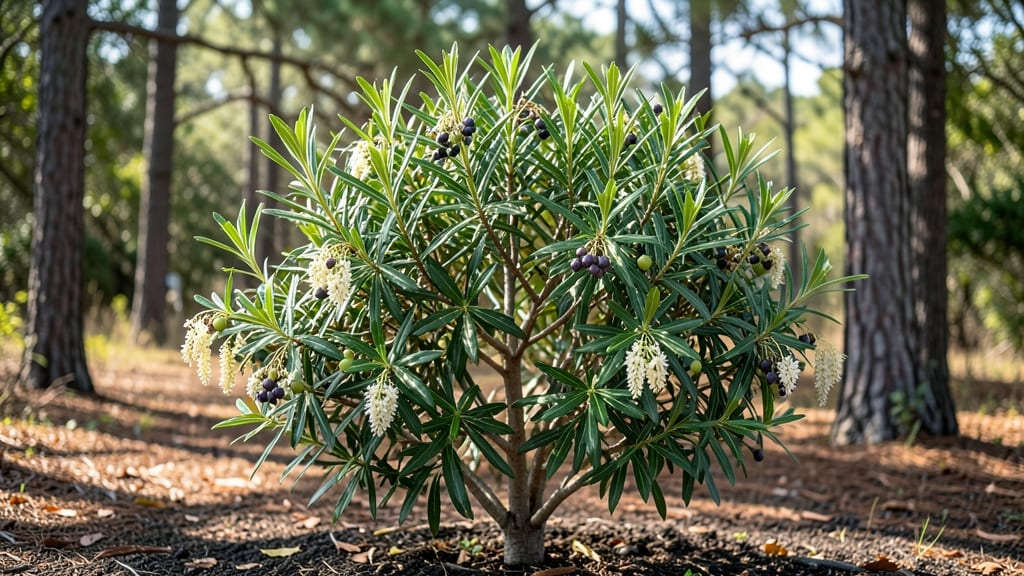
Mimosa trees in Arkansas thrive fastest in varieties like the Albizia julibrissin (silk tree), which can grow 20–30 feet tall under ideal conditions. Dwarf types, such as Albizia julibrissin 'Summer Chocolate', typically stay between 10–15 feet. The state’s warm climate helps them grow 3–5 feet per year when planted in full sun with well-drained soil.
Arkansas’ humid subtropical climate is a game-changer for mimosa trees, pushing their growth beyond what you’d see in cooler regions. 🌿 The key is matching the right variety to your space—taller types like the silk tree spread quickly, while compact varieties work better for smaller yards.
I’ve seen firsthand how Arkansas’ long growing season and high humidity let these trees flourish, especially when paired with the right soil prep. For best results, plant in early spring when temperatures stabilize above 60°F—this gives roots time to establish before summer’s peak heat.
What’s fascinating is how these trees adapt: their deep root systems help them thrive even in Arkansas’ occasional droughts, though they still prefer consistent moisture. Pruning in late winter (before new growth starts) keeps them healthy and encourages faster regrowth.
If you’re in a rural area with more space, the silk tree’s dramatic height and feathery blooms make it a standout, while urban gardeners might prefer the more manageable dwarf types.
💡 In This Article
- How Arkansas Climate Affects Mimosa Tree Growth Rates
- Top Arkansas-Friendly Mimosa Varieties for Fast Growth
How Arkansas climate affects mimosa tree growth rates
Arkansas falls primarily within USDA Hardiness Zones 7a–8a, creating an ideal environment for mimosa trees to thrive.
The state’s humid subtropical climate—characterized by hot summers (averaging 85–95°F) and mild winters (rarely dropping below 20°F)—mimics the native habitats of these trees in Asia and the southeastern U.S. This warmth extends the growing season to nearly 10 months, allowing mimosas to push out new growth earlier in spring and sustain it later into fall. 🌞 The combination of heat and humidity also boosts photosynthesis, which directly fuels faster height increases, especially in varieties like the silk tree (Albizia julibrissin).
Soil conditions play a critical role too. Mimosa trees prefer well-drained soil with a slightly acidic to neutral pH (6.0–7.5), which Arkansas’ native clay loam often provides—though amending with compost improves drainage and nutrient availability.
The state’s occasional droughts can stress these trees, but their deep root systems (reaching up to 50 feet) help them access moisture deep underground. In contrast, cooler northern regions force mimosas into dormancy earlier, limiting their annual growth to just 1–2 feet compared to Arkansas’ 3–5 feet per year.
Seasonal variations create distinct growth patterns. Mimosa trees in Arkansas experience a rapid spring flush (March–May) when temperatures rise above 65°F, followed by a mid-summer slowdown (June–August) due to heat stress.
The feathery foliage also helps regulate temperature by providing shade to the roots, reducing water loss. 🌿 Dwarf varieties like Summer Chocolate adapt better to urban heat islands, while taller types may need afternoon shade in extreme 100°F+ spells.
Proper mulching (2–3 inches of organic matter) keeps soil temperatures stable and conserves moisture, further accelerating growth.
Humidity levels in Arkansas (averaging 75–80%) create another advantage. The high moisture content in the air reduces the need for frequent watering while preventing the leaf scorch that plagues mimosas in drier climates.
However, excessive humidity can promote fungal diseases like powdery mildew, so spacing trees 15–20 feet apart improves airflow. In regions with higher rainfall (like eastern Arkansas), ensuring proper drainage becomes even more critical to prevent root rot—a common issue in waterlogged soils.
For the fastest growth, timing is everything. Planting in early spring (March–April) lets mimosas establish roots before summer’s peak heat, while fall planting (September–October) capitalizes on warm soil temperatures. Arkansas gardeners often see 20–30% faster growth in trees planted during these windows compared to those installed in summer.
The key is balancing soil warmth, moisture, and sunlight—all of which Arkansas delivers in abundance for these sun-loving trees.
What most people overlook is how Arkansas’ microclimates vary. Northern counties (like Bentonville) may experience slightly cooler winters, while southern areas (like Little Rock) push growth limits further.
This regional diversity means mimosas in the Arkansas River Valley can reach 30 feet in 5–7 years, while those in the Ozark foothills might take 8–10 years to achieve similar heights. Understanding these nuances helps tailor care routines for maximum growth potential.