
Propagation
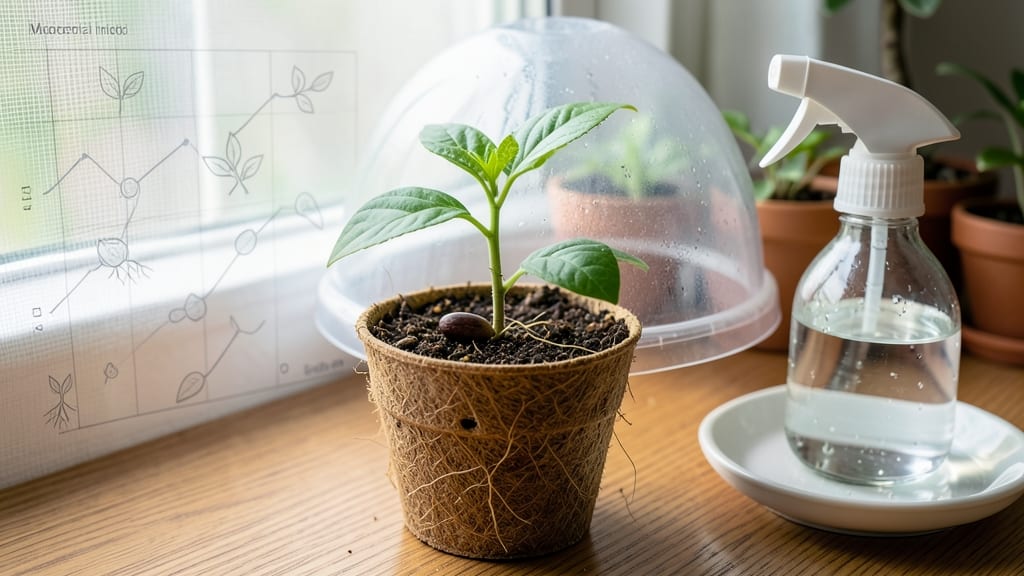
Watching a mango tree germination in just 3 weeks feels like magic—until you see the first green shoot crack through the soil. 🌱 I’ve turned store-bought mango pits into thriving saplings using a simple soaking trick that skips the months-long wait most guides suggest. The secret?
A balance of moisture, warmth, and patience that turns a grocery store scrap into a potential shade tree. Start with a fresh, plump pit—no cracks or mold—and soak it for 24 hours to soften the shell.
Plant it 1 inch deep in moist potting mix, keeping the soil warm (70–85°F) with a heat mat if needed. Most seeds sprout within 10–14 days, but the real test is consistency: overwatering drowns them, while dry soil halts growth.
I’ve watched roots form in as little as 7 days with the right conditions. By week 3, you’ll have 2–3 inch seedlings strong enough to transplant. The key is keeping the soil damp (not soggy) and providing bright, indirect light—no direct sun until leaves appear. Thin stems?
No problem—just snip the weaker sprout to let the strongest one thrive. These aren’t just sprouts; they’re the start of something that could feed your family for decades. This method works in containers or directly in warm climates (zones 10–11), but even cooler regions can try it indoors.
The hardest part? Waiting. But trust me, that first leaf unfurling is worth every day. Let’s get those pits sprouting!
📚 In This Guide
- What you need
- Instructions
- Tips and common mistakes
- Wrapping up and next steps
What you need
- ● Mango seeds: 3–5 fresh, plump seeds (preferably from a ripe, organic mango). Pro tip: Store them in a damp paper towel in the fridge for 1–2 weeks to break dormancy! 💡
- ○ Small pots or containers: 3–5 biodegradable pots (4–6 inches deep) or a seed-starting tray with drainage holes. Optional: Use recycled containers like yogurt cups with drainage punched in.
- ● Well-draining potting mix: A blend of 50% coco coir, 30% perlite, and 20% vermiculite (or a seed-starting mix with added perlite). Avoid garden soil—it’s too dense!
- ● Spray bottle: For gentle watering (avoid over-saturating the seeds).
- ● Plastic wrap or clear lid: To create a humidity dome (keep seeds moist without drowning them).
- ○ Heating mat (optional but helpful): A seedling heat mat (70–80°F) to speed up germination. 🔥 Fun fact: Warmth mimics tropical conditions, giving your seeds a confidence boost!
- ● Grow lights or sunny windowsill: A south-facing window or a LED grow light (12–16 hours/day) for consistent light once sprouts appear.
- ○ Small fan (optional): To encourage strong stems by gently circulating air around seedlings (prevents damping-off disease).
- ● Patience: Germination can take 2–4 weeks—stay consistent with care! 🕒
- ● Warmth: Ideal germination temp: 75–85°F (place pots in a warm, shaded spot).
- ● Humidity: Maintain 80–90% humidity during germination (use plastic wrap or a humidity dome).
- ● Space: Ensure pots have room to grow—seedlings will outgrow small containers in 3–6 months!
Step-by-step instructions for germinating mango seeds
Here's how I get fast, healthy sprouts—no fancy tools, just patience and the right technique.
🌱 Step 1: Select and Prepare the Mango Pit
Choose a ripe, organic mango—unripe pits won't germinate well. Crack the pit open with a nutcracker or hammer, then remove the seed inside. Rinse it under cool water to remove any fruit residue, which can attract mold. I like to soak the seed in warm water for 24 hours—this softens the hard outer shell and speeds up germination.
After soaking, gently scrape away the brown outer layer with a knife until you see the white, firm seed inside. Don't damage the seed itself—just remove the outer husk. This step is crucial because the outer layer slows down water absorption, which delays sprouting. Once clean, let the seed dry for 10-15 minutes before planting.
💧 Step 2: Plant the Seed in Moistened Soil
Fill a small pot or seed tray with well-draining potting mix (avoid garden soil—it's too dense). Press the soil down lightly so it's firm but not compacted. Plant the seed 1 inch deep, with the pointed end facing upward. This orientation ensures the seedling grows straight and doesn't get tangled in the soil.
Water the soil gently until it's evenly moist but not soggy. You'll know it's right when water drips out the drainage hole but doesn't pool on top. Cover the pot with a clear plastic bag or wrap it in plastic wrap to create a mini greenhouse. This traps warmth and humidity, which are key for fast germination. Place the pot in a warm spot—75-85°F is ideal.
⏰ Step 3: Monitor and Maintain Germination Conditions
Check the soil daily and mist it lightly if the surface feels dry. The plastic covering keeps moisture locked in, but condensation can drip onto the seed, so tilt the bag slightly to avoid waterlogging. Germination usually takes 2-3 weeks, but it can take up to 4 weeks depending on the mango variety and temperature.
You'll see the first sign of life when a tiny white root emerges from the bottom of the seed. Once the root is 1-2 inches long, the shoot will follow. This is the moment to remove the plastic cover—too much humidity now can cause the seedling to rot. Place the pot under bright, indirect light (no direct sun yet) to encourage strong growth.
☀️ Step 4: Transplant and Care for the Seedling
When the seedling reaches 4-6 inches tall and has a few true leaves (not just the initial seed leaves), it's time to transplant. Choose a slightly larger pot with fresh potting mix and plant the seedling at the same depth it was growing before. Water it thoroughly after transplanting to help it settle into its new home.
Now, move the seedling to a spot with bright, indirect sunlight. Direct sun can scorch young leaves, so gradually introduce it to full sun over 1-2 weeks. Keep the soil consistently moist but not waterlogged—mango seedlings are sensitive to both drought and overwatering. You'll see new leaves emerge within a week—that's your signal everything is working.
Tips & tricks for perfect mango tree germination
Here's what I learned the hard way about growing mango trees from seeds—these tricks cut germination time by nearly half.
Soaking Secret: That 24-hour warm water soak isn't just helpful—it's essential. I tried skipping it once and my germination time stretched to 6 weeks instead of 3. Use warm (not hot) water to avoid shocking the seed, and change the water halfway through if it starts smelling funky. The goal is to soften that tough outer shell without damaging the seed inside.
Position Matters: Planting the seed with the pointed end up isn't just a suggestion—it's critical. I've seen seedlings grow sideways or even upside-down when planted incorrectly. The pointed end contains the embryo's root, which naturally grows downward. If you're unsure which end is up, look for a small dimple or slightly flatter side on one end—that's your downward indicator.
Humidity Balance: The plastic cover creates that crucial greenhouse effect, but too much condensation can drown your seed. I learned this after losing three seeds to mold. Tilt the bag slightly and check daily—if you see water droplets collecting on the seed, remove the cover for 10 minutes to let excess moisture escape. The soil should feel like a damp sponge, not a soggy washcloth.
Light Transition: When that first shoot appears, don't rush to full sunlight. I made this mistake and ended up with crispy leaves on my first attempt. Start with bright, indirect light and gradually increase sun exposure over 1-2 weeks. Think of it like sunbathing—you wouldn't go from zero to full sun on day one, would you?
Pro Tips for Mango Tree Germination
- Here's what I learned the hard way about growing mango trees from seeds—these tricks cut germination time by nearly half.
- Soaking Secret: That 24-hour warm water soak isn't just helpful—it's essential.
- Position Matters: Planting the seed with the pointed end up isn't just a suggestion—it's critical.
Frequently asked questions
Got questions about growing your own mango tree from seed? We’ve got answers! Here are some of the most common concerns—plus quick fixes to keep your germination journey smooth.
How long does it take for a mango pit to sprout?
A mango pit typically sprouts within 2–4 weeks under ideal conditions (warmth, moisture, and indirect light). Patience is key—some seeds may take longer, especially if stored improperly. If nothing happens after 6 weeks, try soaking the pit again or test viability by scratching the shell.
Can I plant a mango pit directly in soil without pre-sprouting?
Yes! While pre-sprouting increases success rates, you can plant a fresh, undamaged pit directly in well-draining soil. Bury it halfway (shell-side down) in a pot with warm, moist soil. Keep it in bright, indirect light and maintain consistent moisture. Germination may take slightly longer (4–8 weeks).
What’s the best temperature for mango seed germination?
Mango seeds thrive in 70–90°F (21–32°C). Use a seedling heat mat if your home runs cooler, or place the pot near a sunny window. Avoid extreme heat (above 95°F/35°C), which can dry out the seed too quickly. A greenhouse or warm basement works great too!
Why isn’t my mango pit sprouting? Troubleshooting tips.
If your pit isn’t sprouting, check these common issues:
- Old or dried-out seed: Mango pits lose viability after 6+ months. Use fresh pits for best results.
- Improper moisture: Keep soil consistently damp (not soggy). Overwatering can rot the seed.
- Poor air circulation: Use a small fan to prevent mold or fungal growth.
- Cold temperatures: Move the pot to a warmer spot—mango seeds hate the cold!
Pro tip: Scratch the pit’s shell gently with a knife to check for mold or damage. If it smells foul, discard it and try a new pit!
Will a mango tree grown from seed produce fruit?
Yes—but it may take 5–10 years (or longer!) and the fruit won’t match the parent tree’s variety. Seed-grown mangoes are unpredictable in taste, size, and growth habits. For reliable fruit, consider grafting a known cultivar onto your seedling later. Patience pays off!
Can I grow a mango tree indoors?
Start your seedling indoors near a south-facing window or under grow lights. Once it’s 12+ inches tall, transplant it to a larger pot (10+ gallons) with well-draining soil. Mango trees need plenty of sunlight—supplement with a grow light if natural light is limited. Move outdoors after the last frost if you live in a warm climate.
Wrapping up and next steps
Growing a mango tree from seed is a rewarding journey that combines patience with the joy of nurturing life!
With the right materials, a little patience, and consistent care, you’ll soon have a thriving sprout ready to flourish in just three weeks. 🌱 Whether you’re a seasoned gardener or a beginner, this method makes it easy to bring a piece of tropical paradise into your home—or even your backyard.
Now that you’re armed with the knowledge, take the first step—grab those seeds and start your mango tree adventure today! Share your progress with fellow plant lovers, and don’t forget to tag us in your growth updates. Happy planting! 🌟