
Propagation
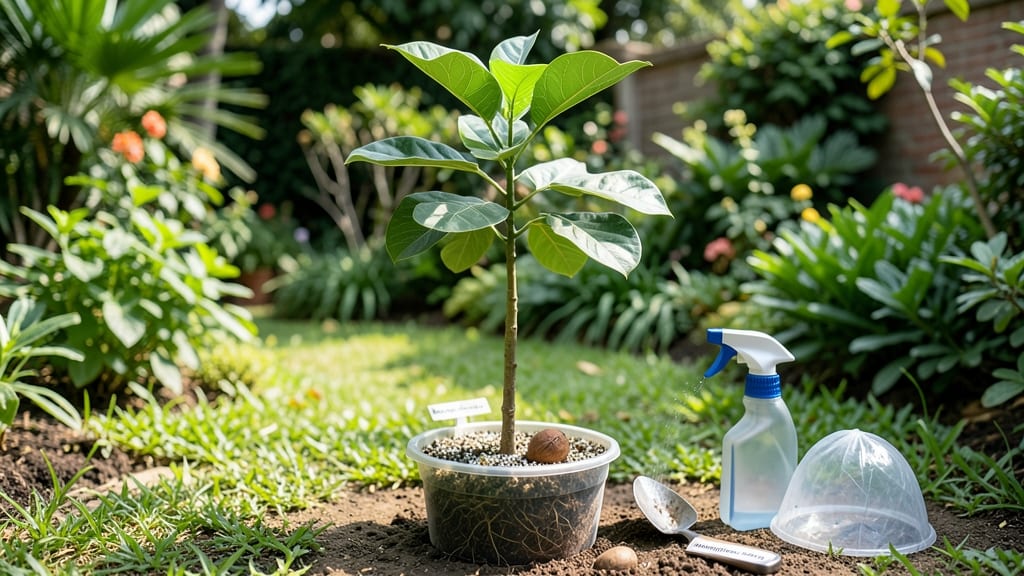
That mango pit in your fruit bowl could grow into a tree—if you plant it right. 🌱 I’ve turned grocery-store pits into 5-foot saplings, and the process starts with just a little patience and the right conditions.
The key is getting it to sprout without rotting, which takes knowing exactly how deep to bury it and when to move it outside.
You’ll need a warm spot (70°F+), a shallow container, and a mix of potting soil and sand to keep it from sitting in soggy water. Most pits sprout in 4-6 weeks, but some take months—don’t give up!
The first leaves will be tiny, but once they appear, you’ll know you’re on the right track. This isn’t a guaranteed fruit tree, but the journey is half the fun.
By the time your seedling hits 12 inches tall, it’ll need more space and sunlight. That’s when the real adventure begins—hardening it off for outdoor life (if you’re in a warm climate) or keeping it as a houseplant.
The roots will tell you when it’s ready for a bigger home, and that’s when the magic happens.
Fair warning: This tree might never bear fruit where you live, but the lush green leaves alone make it worth it. Even if it stays a houseplant, it’s a living reminder of that first juicy bite. Let’s get those pits sprouting!
📚 In This Guide
- What you need
- Instructions
- Tips and common mistakes
- Wrapping up and next steps
What you need
- ● Fresh mango pit: Choose a ripe, organic mango (avoid store-bought ones treated with preservatives). Extract the pit carefully—one per tree!
- ● Small pot (4–6 inches in diameter): Use a well-draining container with drainage holes. Terracotta pots work great!
- ● Potting soil: A mix of 50% peat moss or coconut coir and 50% perlite or coarse sand for aeration.
- ● Watering can or spray bottle: For gentle hydration—avoid overwatering!
- ● Plastic wrap or humidity dome: To create a mini greenhouse effect while sprouting.
- ● Sunlight access: A warm, sunny spot (e.g., a south-facing window or grow light).
- ○ Rooting hormone: Speeds up germination (optional but useful for stubborn pits).
- ● Fertilizer (balanced, low-nitrogen): Like 10-10-10, once leaves appear.
- ● Larger pot (12+ inches): For transplanting when roots grow (after 3–6 months).
- ● Mulch (e.g., bark chips): Retains moisture in outdoor plantings.
- ● Pruning shears: For shaping the tree as it grows.
Step-by-Step instructions for growing a mango tree from a pit
Here's how to turn that grocery store pit into a thriving tropical tree.
🌱 Step 1: Prepare the Pit for Germination
Start by cleaning the pit thoroughly under running water to remove any fruit residue. I like to soak it for 10 minutes in a 1:10 bleach-to-water solution to kill any bacteria or fungi hiding in the grooves. Rinse well afterward—you want the pit damp but not soaking.
Next, place the pit between two damp paper towels. Fold the towels so the pit is snug but not crushed. Put this bundle inside a ziplock bag and seal it loosely—just enough to trap moisture while still allowing a little airflow. This creates a humid environment that mimics the tropical conditions where mangoes grow naturally.
Store the bag in a warm, dark place like your pantry or a cabinet. I keep mine near the oven (when it's off) because that spot stays consistently around 70-80°F. Check the towels every 2-3 days—they should stay moist but not soggy. Germination can take anywhere from 2-6 weeks, so be patient. You'll know it's working when a tiny white root appears from the bottom.
☀️ Step 2: Plant the Germinated Pit
Once you see that first root, it's time to plant. Fill a 4-inch pot with well-draining potting mix—I mix equal parts regular potting soil and perlite to keep it light and airy. Mango roots hate sitting in soggy soil, so drainage is critical. Press the mix down gently to create a firm surface for the pit.
Place the pit in the pot with the root pointing downward. Cover it with about 1 inch of soil, pressing lightly around the edges to remove air pockets. Water gently until the soil feels evenly moist, but not dripping. I use a spray bottle for this step to avoid disturbing the delicate root system.
Put the pot in a bright, indirect light spot—like an east-facing window. Direct sunlight can scorch the tender new shoot, and too little light will make the seedling grow weak and leggy. You'll see the first true leaves emerge in about 4-6 weeks, signaling that your little tree is getting its act together.
🪴 Step 3: Care for the Young Seedling
When the seedling reaches about 6 inches tall, it's time to give it more space. Transplant it into a 6-inch pot with fresh potting mix. Handle the roots gently—mango trees are sensitive to root disturbance, so I always water the old pot first to loosen the soil before carefully sliding the plant out.
Water the seedling whenever the top inch of soil feels dry to the touch. Mango trees love moisture but hate waterlogged roots, so I water deeply but infrequently. During the first year, I fertilize lightly every 2 months with a balanced, water-soluble fertilizer diluted to half strength. Too much fertilizer can burn young roots, so less is more here.
Rotate the pot a quarter turn every week so the seedling grows straight and strong. If you notice the leaves turning yellow or dropping, it's usually a sign of overwatering or poor drainage. Adjust your watering schedule and make sure the pot has drainage holes. With proper care, your mango tree will start looking like a real tropical beauty within a year.
⏰ Step 4: Transition to Outdoor Life
Once your mango tree is 2-3 feet tall and the weather warms up, it's time to move it outside. Start by placing it in a sheltered spot like a patio or balcony for a few hours each day. Gradually increase its outdoor time over 2 weeks, eventually leaving it out 24/7 once temperatures stay above 50°F at night.
Mango trees thrive in full sun, so find a spot that gets at least 6-8 hours of sunlight daily. If you're in a cooler climate, bring it indoors during frost or cold snaps—mango trees are tropical and won't survive freezing temperatures. Keep an eye out for pests like aphids or spider mites, which love young, tender leaves. A gentle spray of water or neem oil usually keeps them in check.
With time and patience, your mango tree will grow into a stunning tropical plant. While it may take 5-10 years to produce fruit, the journey is half the fun—and you'll have a beautiful, living reminder of your tropical paradise right in your home.
Tips & tricks for growing a thriving mango tree from a pit
Here's what I wish I knew before starting my own mango tree journey—these tricks will help you avoid common pitfalls and give your tropical plant the best possible start.
Germination Environment: The 70-80°F warmth mentioned in Step 1 is crucial, but don't just rely on your oven's heat. I found that placing the bag near a sunny window during the day (when indoor temps naturally rise) and moving it to a warmer spot at night gives consistent results. You can also use a seedling heat mat set to 75°F if you have one—just make sure the bag stays loosely sealed to prevent condensation buildup. The key is maintaining that tropical humidity without letting the pit sit in standing water.
Planting Depth: When planting your germinated pit in Step 2, bury it just enough so the top is level with the soil surface. I've seen people bury it too deep, which can cause rot, or too shallow, which might expose it as the soil settles. That 1-inch coverage is perfect—it gives the root stability while allowing the top to stay exposed for potential sprouting. Press the soil gently but firmly around the edges to eliminate air pockets that could prevent proper root contact with the mix.
Light Transition: The bright, indirect light recommendation in Step 2 is spot-on, but I've learned to introduce seedlings to stronger light gradually. Start with just 2-3 hours of morning sun the first week, then increase by 1 hour daily. This prevents the classic "leggy" seedling problem where plants stretch toward light but become weak and spindly. You'll notice the leaves develop a deeper green color and stay compact when you do this gradual transition.
Fertilizer Timing: That 2-month fertilization schedule in Step 3 works well, but timing matters. Always fertilize after watering—this prevents root burn from concentrated fertilizer. I also recommend using a spray bottle to apply diluted fertilizer directly to the soil surface rather than pouring it on. This gives you more control and prevents over-fertilizing those sensitive young roots. And remember: less is more with tropical plants—they're used to nutrient-rich but well-drained soil in their native habitats.
Pro Tips for Growing A Mango Tree From A Pit
- Here's what I wish I knew before starting my own mango tree journey—these tricks will help you avoid common pitfalls and give your tropical plant the best possible start.
- Germination Environment: The 70-80°F warmth mentioned in Step 1 is crucial, but don't just rely on your oven's heat.
- Planting Depth: When planting your germinated pit in Step 2, bury it just enough so the top is level with the soil surface.
Frequently asked questions
Got questions?
Growing a mango tree from a pit is rewarding but can feel tricky at first. Here are answers to the most common queries to help you troubleshoot, plan, and succeed—no green thumb required!
How long does it take for a mango pit to sprout?
A mango pit typically sprouts in 4–8 weeks if kept in warm, moist conditions. Patience is key! If you don’t see growth after 2 months, gently check for rot or dryness. Some pits take longer—especially if stored in the fridge—so don’t rush it. Pro tip: Keep humidity high with a plastic bag or misting to speed things up!
Can I plant the pit directly in the ground?
While possible, we don’t recommend it for beginners. Pits planted outdoors face unpredictable weather, pests, and slow germination. Start indoors in a pot with controlled warmth (70–80°F) for better survival rates. Once the seedling is sturdy (with 3–4 leaves), you can transplant it outside—after the last frost if you’re in a colder zone.
What if my mango tree isn’t growing fast enough?
Slow growth is normal, but check these fixes:
- Light: Mangoes need 6+ hours of sunlight daily. Move your pot to a brighter spot or use a grow light.
- Water: Keep soil moist but not soggy. Overwatering causes root rot!
- Nutrients: Fertilize lightly with a balanced formula (like 10-10-10) every 2 months once leaves appear.
If yellowing leaves appear, it might be overwatering or nutrient deficiency. Adjust and monitor!
Will my homegrown mango tree actually bear fruit?
Most mango trees grown from pits are not true to the parent tree—meaning the fruit may differ in taste, size, or quality. For reliable fruit production, graft a known variety onto your seedling later. Even if it doesn’t fruit like store-bought mangoes, your tree will still be a stunning ornamental plant!
Can I grow a mango tree in a pot indoors?
Yes! Mango trees thrive in large containers (15+ gallons) indoors if given:
- Bright, indirect light (a south-facing window or grow light).
- Well-draining soil (mix potting soil with perlite).
- Regular pruning to control size (they can grow tall!).
Just know it’ll need seasonal dormancy (like cooler temps in winter) to mimic outdoor conditions. In colder climates, bring pots inside during winter!
Wrapping up and next steps
Growing a mango tree from a pit is a rewarding journey that blends patience, care, and a touch of tropical magic! 🌱 With the right steps—from soaking and planting to nurturing your seedling—you’re not just cultivating a plant; you’re fostering a future full of sweet, sun-ripened mangoes.
Whether you’re a green thumb or a curious beginner, this process is your chance to turn a simple pit into a thriving tree.
Now that you’re armed with knowledge, take the next step: plant that pit today! Grab your supplies, follow the guide, and watch your tiny seedling grow into something extraordinary. Who knows? In a few years, you might just be harvesting mangoes straight from your own backyard. 🌴✨