
Propagation
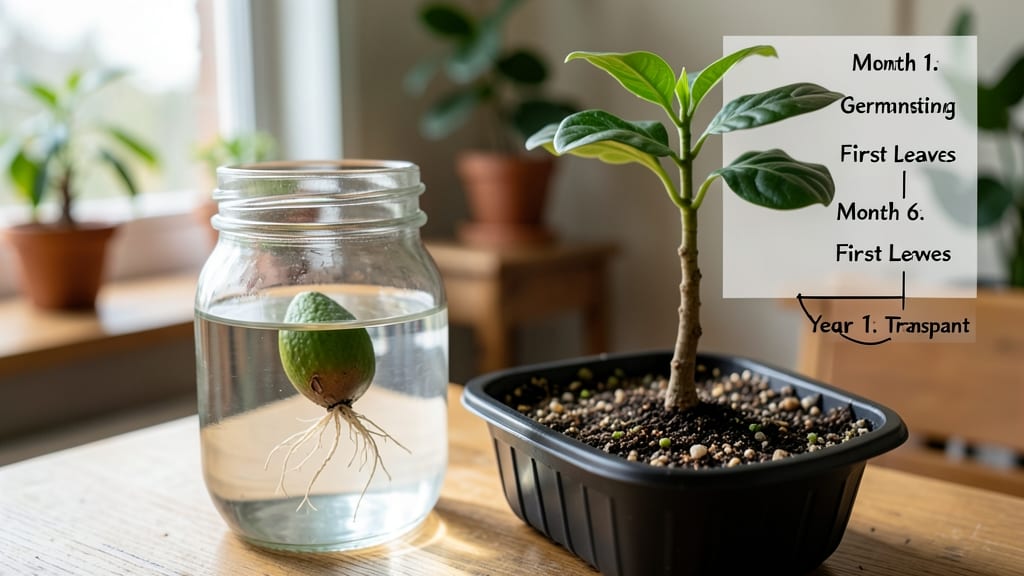
Growing an avocado tree from seed takes 5-13 years before you’ll see fruit—patience pays off with a lush, tropical centerpiece. 🌱 I’ve watched my own seedling go from a toothpick-thin sprout to a 6-foot-tall tree in just three years, but the real magic happens when those first green avocados finally appear.
The journey isn’t just about time; it’s about creating the perfect conditions for steady growth every step of the way.
Most of that wait happens in the early years, when the tree focuses on building strong roots and sturdy branches. The first two years are all about establishing a healthy base—think bright indirect light, well-draining soil, and consistent moisture (but not soggy roots).
After year three, growth speeds up, and you’ll notice new leaves and thicker stems. By year five, your tree might start flowering, though fruit production could still take another 3-8 years depending on variety and care.
What you’ll end up with is a tropical statement piece—even if it never bears fruit, the glossy leaves and sturdy trunk make it a showstopper. Grafted trees fruit faster, but seed-grown ones often develop unique flavors and resilience.
The payoff comes in summer when you finally spot those first tiny avocados hanging from the branches, a reward for years of nurturing.
This method works for any sunny spot—indoors near a window or outdoors in warm climates. Just be ready to commit to the long game. Here’s how to set yours up for success from the very first sprout.
📚 In This Guide
- What you need
- Instructions
- Tips and common mistakes
- Wrapping up and next steps
What you need
- ● Avocado pit: A fresh, organic avocado pit (preferably Hass variety) with the seed intact.
- ● Toothpicks (3-4): For suspending the pit in water.
- ● Glass or jar: A clean, clear container (8–16 oz) to hold water and the suspended pit.
- ● Water: Room-temperature, filtered or distilled water (changed every 2–3 days).
- ● Small pot (6–8 inches): With drainage holes for transplanting the root once it’s 2–3 inches long.
- ● Potting mix: Well-draining, peat-based or cactus/succulent mix (avoid heavy garden soil).
- ● Spray bottle: For misting the soil and keeping it moist.
- ○ Plastic wrap or humidity dome: Optional but helpful for maintaining moisture during germination.
- ● Grow lights or sunny windowsill: A south-facing window or LED grow light (12+ hours/day) for strong growth.
- ● Fertilizer (balanced, low-nitrogen): Like 10-10-10 or organic compost, diluted to half-strength for young trees.
- ● Pruning shears: For shaping the tree as it grows (sterilize with rubbing alcohol!).
- ● Support stake or trellis: To help the tree stay upright as it matures.
- ● Soil moisture meter: To check moisture levels without overwatering.
Step-by-step instructions for growing an avocado tree from seed
Here's how I turn a simple seed into a thriving avocado tree—with patience as your best friend.
🌱 Step 1: Germinate the Seed in Water
Start by placing 3-4 toothpicks evenly around the avocado seed, spacing them about ½ inch apart. The toothpicks should hold the seed steady when suspended over a glass of water. I like to use a glass jar or bowl that's at least 6 inches tall so the seed sits just above the waterline without touching it.
Fill the container with room-temperature water until it covers about 1 inch of the seed's bottom. Keep the water level consistent—never let it drop below that line, but don't submerge the seed completely. Place the setup in a warm spot with indirect light, like a kitchen counter away from direct sun.
Within 2-6 weeks, you'll see the seed split open and a small root emerge. This is your first sign of life! Once the root reaches about 2 inches long, a stem will begin to sprout from the top of the seed. This stage can feel like waiting forever, but trust the process—avocado seeds germinate on their own timeline.
🪴 Step 2: Transfer to Soil for Root Development
When the root is 2-3 inches long and the stem has grown to about 4-6 inches tall, it's time to plant. Fill a 6-inch diameter pot with well-draining potting mix—avocado trees hate soggy roots. I mix regular potting soil with 20% perlite to improve aeration and prevent waterlogging.
Create a small hole in the center of the pot and gently place the seed so that the bottom half (where the root is growing) is buried in the soil. The top half of the seed should remain exposed above the soil line. Press the soil lightly around the seed to secure it, but don't compact it too much. Water gently until the soil is moist but not soaked.
Place the pot in a spot with bright, indirect light—like near an east-facing window. Avoid direct sunlight at first, as it can stress the young plant. You'll know the seedling is thriving when new leaves begin to emerge from the top of the seed, usually within 2-4 weeks after planting.
☀️ Step 3: Establish the Seedling in a Permanent Pot
Once the seedling has developed 3-4 sets of true leaves (not the initial seed leaves), it's ready for a larger pot. Choose a 10-12 inch diameter pot with drainage holes and fill it with the same well-draining potting mix. This time, bury the entire seed—root and all—about 1 inch deep in the soil.
Water the seedling thoroughly after transplanting and place it in a location with bright, filtered sunlight. If you're growing indoors, a south- or west-facing window works best. Outdoors, choose a spot with partial shade during the hottest part of the day. You'll notice the seedling growing taller and developing a thicker stem within 4-6 weeks.
During this phase, fertilize lightly every 2 months with a balanced, water-soluble fertilizer (like 10-10-10) to encourage healthy growth. Over-fertilizing can harm the young plant, so always dilute the fertilizer to half-strength. Keep the soil consistently moist but never waterlogged—avocado trees prefer slightly dry conditions over soggy roots.
⏰ Step 4: Transition to Outdoor Conditions (After 1 Year)
After the seedling has spent 1 year indoors and shows signs of robust growth—like a 3-foot-tall stem and multiple branches—it's time to consider moving it outdoors. Start by placing the pot in a sheltered outdoor spot, like a covered patio or under a tree, for 2-3 hours per day.
Gradually increase the time spent outside over 2-3 weeks, moving the pot to a sunnier location each day. Avocado trees love full sun (6-8 hours daily), but they need time to adjust to avoid sunburn. Once the seedling can handle a full day outdoors without wilting, it's ready for a permanent outdoor spot.
If you live in a climate with frost, wait until temperatures stay above 50°F consistently before moving the tree outdoors permanently. In colder regions, keep the tree in a pot and bring it indoors during winter. You'll see the tree grow more vigorously once it's fully acclimated to outdoor conditions, with new leaves appearing regularly.
🌿 Step 5: Care for Long-Term Growth (Years 2-5)
By the time your avocado tree reaches 5 years old, it should be in a 15-20 gallon pot or planted directly in the ground, depending on your climate. Avocado trees thrive in USDA zones 9-11, but they can be grown in containers in cooler climates. If you're container-grown, repot every 2-3 years to accommodate the tree's growing root system.
Water deeply once a week during the growing season, allowing the top 2 inches of soil to dry out between waterings. In hotter months, you may need to water every 3-4 days, but always check the soil moisture before watering. Overwatering is the leading cause of root rot in avocado trees, so it's better to underwater slightly than to drown the roots.
Prune the tree lightly to encourage a strong structure, removing any dead or diseased branches. You can also pinch back the tips of new growth to promote bushier growth. With proper care, your avocado tree will eventually produce flowers—and if pollinated—fruit! However, it can take 5-13 years for a seed-grown tree to bear fruit, so patience is key.
Tips & tricks for growing an avocado tree from seed
Patience is the name of the game when growing avocado trees—here's how to maximize your chances of success without common pitfalls.
Germination Setup: The key to successful germination lies in maintaining consistent moisture without submerging the seed. I've found that using a clear glass jar lets you easily monitor water levels and root growth. Change the water every 2-3 days to prevent bacterial growth, even though the instructions say to keep it consistent—this simple step prevents that foul smell and keeps your seed healthy.
Transplanting Timing: Don't rush the move to soil! Wait until the root reaches exactly 2-3 inches and the stem hits 4-6 inches—this balance ensures the seedling has enough energy to establish itself. I've seen seedlings fail when transplanted too early because their roots weren't developed enough to support new growth.
Light Transition Strategy: Avocado seedlings are sensitive to sudden light changes. When moving from water to soil (Step 2), place the pot in bright indirect light for the first week before gradually increasing sunlight exposure. This gradual transition mimics natural conditions and prevents leaf scorch that can happen when you suddenly move to full sun.
Fertilizer Frequency: The instructions mention fertilizing every 2 months, but I've learned to adjust this based on leaf color. If your seedling's leaves develop yellowing between veins (a classic nitrogen deficiency sign), you can fertilize monthly during the growing season—but always use half-strength solution to avoid burning delicate roots.
Pro Tips for How Long To Grow An Avocado Tree From Seed
- Patience is the name of the game when growing avocado trees—here's how to maximize your chances of success without common pitfalls.
- Germination Setup: The key to successful germination lies in maintaining consistent moisture without submerging the seed.
- Transplanting Timing: Don't rush the move to soil!
Frequently asked questions
Got questions about growing an avocado tree from seed? You're not alone! Here are some of the most common queries—and their answers—to help you navigate your green-thumb journey with confidence.
How long does it take for an avocado seed to sprout?
Most avocado seeds sprout within 2 to 6 weeks when kept in warm, moist conditions. Patience is key—some stubborn seeds may take up to 8 weeks. If your seed hasn’t sprouted after 2 months, it might not be viable. Try again with a fresh seed!
Can I speed up the growth of my avocado tree?
While you can’t rush nature, you can optimize conditions to encourage faster growth. Provide bright, indirect light, keep the soil consistently moist (but not soggy), and fertilize lightly every 2-3 months with a balanced houseplant fertilizer. Prune leggy stems to promote bushier growth.
Will my avocado tree actually produce fruit?
Yes, but it takes time! Most homegrown avocado trees from seed won’t bear fruit for 5-13 years. Even then, fruit may be small, irregular, or inedible due to lack of pollination. For faster, fruit-bearing trees, consider grafting or buying a nursery-grown tree.
What’s the best temperature for growing an avocado tree indoors?
Avocado trees thrive in 65–80°F (18–27°C) during the day and 55–60°F (13–16°C) at night. Avoid cold drafts (like AC vents or open windows in winter) and sudden temperature drops, which can stress the plant. If temps dip below 50°F (10°C), move it to a warmer spot.
Why is my avocado seed rotting?
Rot usually happens from overwatering or poor drainage. Ensure your seed sits in lukewarm water (not cold) and change it daily. Once sprouted, plant it in well-draining soil and use a pot with drainage holes. If mold appears, let the seed dry out slightly before rehydrating.
Wrapping up and next steps
Growing an avocado tree from seed is a rewarding journey that blends patience with the joy of nurturing life! While it takes 5 to 13 years to produce fruit, each step—from sprouting to transplanting—teaches you the art of care and observation.
Don’t let the timeline discourage you: with consistency, your tiny seedling could one day become a lush, fruit-bearing tree. 🌱✨
Ready to take the next step? Start by planting your seed today—your future avocado tree is waiting! Keep a growth journal to track progress, and soon, you’ll be sharing fresh, homegrown avocados with pride.