
How To
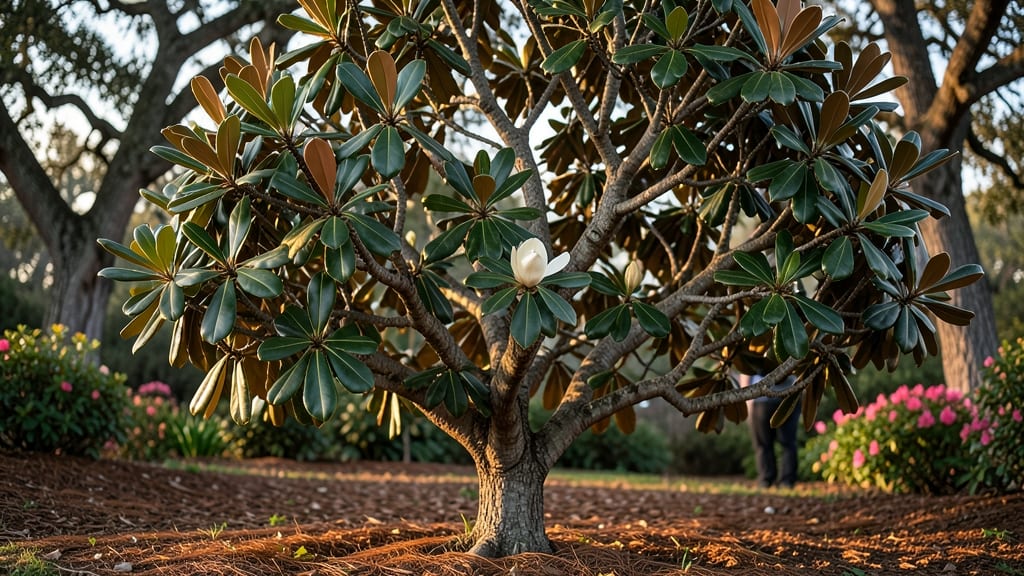
Fastest-growing magnolia cultivars and their maximum heights
Magnolia trees are legendary for their stunning blooms and glossy foliage, but their growth rates and mature heights can vary dramatically. If you're planning your landscape, knowing these details is crucial—some varieties grow over 100 feet tall while others stay compact enough for small yards.
Let’s explore the fastest-growing magnolia cultivars and their maximum heights so you can make an informed choice.
For gardeners with limited space, dwarf varieties like 'Little Gem' reach only 15-25 feet at maturity, while powerhouses like the Southern magnolia can soar to 80-100 feet. The key is matching your yard size and growth goals to the right cultivar.
Below, I’ve compiled the top 10 fastest-growing magnolias and their height expectations to help you visualize their potential.
🌱 Pro Tip: Always check your USDA hardiness zone—some fast-growing varieties thrive in zones 6-9, while others prefer warmer climates (zones 7-10). For example, the saucer magnolia grows rapidly in zone 4 but may struggle in colder regions.
How to estimate magnolia tree growth in your climate zone
Magnolia trees are stunning additions to any landscape, but their mature height can vary dramatically based on your USDA hardiness zone and growing conditions. A Southern magnolia in Florida might reach 80 feet, while the same cultivar in Zone 5 may only grow to 40 feet.
Understanding these factors helps you choose the right variety and plan spacing for your yard.
Your climate zone, soil quality, and sunlight exposure all influence growth rates. For example, well-draining, slightly acidic soil (pH 5.0-6.0) with morning sun promotes faster growth. Meanwhile, compacted clay soil or heavy shade can stunt a magnolia’s height by 20-30%.
To estimate your magnolia’s height, start with the cultivar’s published mature size and adjust based on your zone. For example, a 'Little Gem' magnolia (typically 15-20 feet) might only reach 12 feet in Zone 5 but could hit 25 feet in Zone 9.
Always check the USDA zone range for your specific variety—some, like Magnolia grandiflora, thrive in Zones 6-10.
Sunlight exposure also plays a critical role. A magnolia in full sun (6+ hours daily) grows 10-15% taller than one in partial shade. However, avoid harsh afternoon sun in hot climates—it can stress the tree and reduce bloom size.
If your yard has limited sunlight, opt for shade-tolerant varieties like 'Black Tulip' or 'Jane', which handle 3-4 hours of sun better than standard types.
For precise planning, use growth charts from nurseries or extension services. These charts account for local microclimates, like urban heat islands or coastal breezes. For instance, a Southern magnolia near the coast may grow 10-20% taller due to higher humidity.
Always measure your space before planting—standard magnolias need at least 30 feet of clearance, while dwarf varieties require just 10-15 feet.
Finally, remember that soil drainage affects root development. Amend heavy clay with compost or sand to improve aeration, which can boost height by up to 30%. Mulch annually with wood chips to retain moisture and regulate soil temperature—critical for young trees still establishing their root systems.