
Blooming
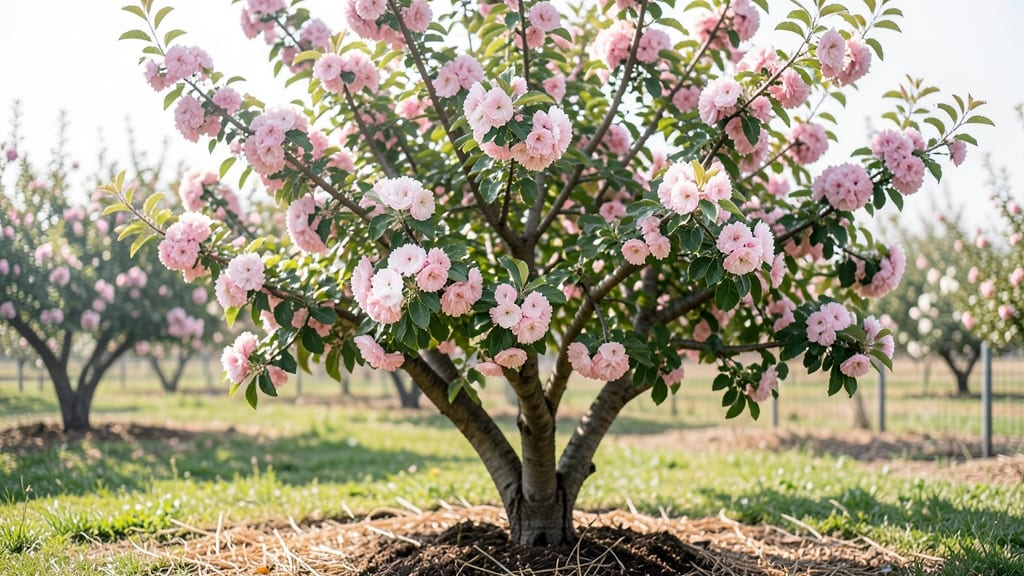
Honeycrisp apple tree blossoms arrive like pink-petaled perfection every spring, and timing is everything for fruit production. 🌸 I've learned the hard way that missing this window means fewer apples later—so I track bloom dates religiously in my temperate climate zone.
The blossoms typically burst in late April to early May, but exact timing depends on your region's last frost date and winter chill hours. Once those delicate flowers appear, you've got just 7-10 days to support pollinators before petals fall and fruit sets.
Thin fruit after blooming to leave 6-8 inches between apples—this ensures larger, sweeter Honeycrisp varieties. I also monitor for codling moths during this critical window, as early intervention prevents infestations that ruin harvests. The payoff comes in fall with crisp, juicy apples that taste like summer.
Here's how to make the most of your tree's blossom season.
📚 In This Guide
- What you need
- Instructions
- Tips and common mistakes
- Wrapping up and next steps
What you need
- ● Honeycrisp apple tree sapling: 1–2 trees (for cross-pollination, plant a pair of different varieties within 50 feet). Choose a disease-resistant, grafted variety from a reputable nursery.
- ● Well-draining soil: Test your soil’s pH (ideal: 6.0–7.0). Amend with compost or organic matter if needed.
- ● Fertilizer: 10-10-10 balanced fertilizer or organic options like alfalfa meal (follow package rates).
- ● Mulch: 2–3 inches of wood chips or straw to retain moisture and suppress weeds.
- ● Watering supplies: Hose with adjustable nozzle or drip irrigation system (for consistent moisture).
- ● Pruning tools: Bypass pruners (for small branches)
- ● Loppers (for thicker branches)
- ● Sterilizing solution (rubbing alcohol or bleach)
- ● Support stakes & ties: 2–3 wooden stakes (4–5 ft tall) and soft tree ties (for young trees).
- ○ Pest/disease control (optional but recommended): Neem oil spray (for aphids or mites)
- ● Copper fungicide (to prevent apple scab)
- ● Native flowering plants: 3–5 pollinator-friendly perennials (e.g., bee balm, coneflowers, or lavender) planted nearby.
- ● Birdhouses or bat boxes: 1–2 units to attract natural pest controllers.
- ● Water source: A shallow birdbath or small pond (with rocks for safe entry).
How to care for Honeycrisp apple tree blossoms
Watch those delicate pink blooms transform into fruit with these simple, pollinator-friendly steps.
🌱 Step 1: Protect Blossoms from Late Frost
Honeycrisp apple blossoms emerge in early spring when frost can still threaten. Cover young trees with frost cloth or a lightweight blanket on chilly nights, securing edges with clothespins to prevent wind damage. Remove covers by 10 AM to allow sunlight and airflow—trapped heat can stress the tree more than frost.
You’ll know frost damage has occurred when blossoms turn brown and papery. If this happens, don’t panic—your tree will still produce fruit, though yields may be lighter. Focus on keeping the remaining blossoms healthy by ensuring the soil stays moist but not soggy during this critical time.
☀️ Step 2: Attract Pollinators to Blossoms
Honeycrisp apples need cross-pollination, so invite bees and butterflies with neighboring pollinator-friendly plants like lavender, clover, or native wildflowers. Place a shallow water dish with pebbles near the tree—bees will drink while foraging. Avoid pesticides entirely during bloom time; even "organic" sprays can harm pollinators.
Watch for bumblebees working the blossoms—they’re the most effective pollinators for apples. If your area has few pollinators, consider hand-pollinating by gently transferring pollen with a soft paintbrush between blossoms on different trees. Do this on sunny, dry mornings when bees are least active.
💧 Step 3: Water Deeply During Fruit Set
Once blossoms fall and tiny apples form, deep watering prevents fruit from dropping prematurely. Water at the base of the tree with a soaker hose or drip irrigation, delivering 1-2 inches of water per week. Avoid wetting leaves to reduce fungal diseases like apple scab.
Check soil moisture by pushing your finger 2 inches deep—if it feels dry, water immediately. Mulch around the tree with 3-4 inches of organic mulch (like wood chips) to retain moisture and regulate temperature. Keep mulch 6 inches away from the trunk to prevent rot.
✂️ Step 4: Thin Fruit for Optimal Growth
When apples reach 1 inch in diameter, thin them to 6-8 inches apart along branches. Use sterilized pruning shears to avoid spreading disease, and remove misshapen or damaged fruit first. This ensures remaining apples grow larger and sweeter—Honeycrisp’s signature flavor develops with proper spacing.
Thinning also reduces stress on the tree, preventing limb breakage from heavy fruit loads. Work on a dry, sunny morning when the tree is actively photosynthesizing. Discard thinned fruit in the compost—it’s still nutritious for other plants!
Tips & tricks for perfect Honeycrisp apple tree blossoms
Transforming those delicate pink blossoms into sweet Honeycrisp fruit takes more than just patience—it requires a few strategic moves.
Frost Protection Pro Tip: If you're covering your tree with frost cloth or a blanket, leave a small gap at the bottom to prevent trapped moisture. I learned this the hard way after seeing mold develop on my tree's trunk from overnight condensation. Also, remember to remove covers by 10 AM—this isn't just about frost prevention, it's about giving your tree a full morning of sunlight to recharge after the night's protection.
Pollinator Power Move: For maximum pollination, place your water dish near the tree's blossoms but slightly downwind from where you sit. Bees will naturally fly upwind to reach the flowers, so positioning the water source strategically increases their chances of visiting. And if you're hand-pollinating, do it on those sunny, dry mornings when bees are least active—this gives them a break while still ensuring your tree gets the pollination it needs.
Watering Wisdom: When checking soil moisture with your finger, press gently—you're looking for soil that feels like a wrung-out sponge, not bone-dry sand. The 2-inch depth check is crucial because surface moisture can evaporate quickly, leaving roots thirsty. I've found that watering in the early morning gives the tree all day to absorb moisture before evening evaporation sets in.
Thinning Technique: When thinning fruit to 6-8 inches apart, start with the smallest apples first—they're less likely to survive anyway. Use your pruning shears to make clean cuts just above a leaf or bud, never leaving a stub. This not only creates space for larger fruit but also prevents disease entry points. And remember, those thinned apples aren't wasted—they're perfect for making apple cider or compost tea for your garden.
Pro Tips for Honeycrisp Apple Tree Blossom
- Transforming those delicate pink blossoms into sweet Honeycrisp fruit takes more than just patience—it requires a few strategic moves.
- Frost Protection Pro Tip: If you're covering your tree with frost cloth or a blanket, leave a small gap at the bottom to prevent trapped moisture.
- Pollinator Power Move: For maximum pollination, place your water dish near the tree's blossoms but slightly downwind from where you sit.
Frequently asked questions
Got questions about those stunning Honeycrisp apple tree blossoms? You’re not alone! Here are answers to the most common queries—so you can enjoy (and protect) this pollinator paradise with confidence.
When do Honeycrisp apple tree blossoms appear?
Timing depends on your climate, but Honeycrisp blossoms typically bloom in late April to early May in most U.S. growing zones (4–7). Cooler regions may see flowers a week or two later. Watch for pink buds swelling—this is your cue to prepare for pollinators (and potential frost risks)!
How can I attract more bees and butterflies to my blossoms?
Plant companion flowers like lavender, coneflowers, or clover nearby to create a pollinator buffet. Avoid pesticides during bloom, and add a shallow water source (like a birdbath with rocks). Pro tip: Native plants are even better—they’ve co-evolved with local pollinators for maximum efficiency!
What should I do if frost threatens my blossoms?
Cover young trees with frost cloth or row covers at night, and remove them during the day. Avoid overhead watering before frost—wet blossoms freeze faster. If frost hits, don’t panic: Honeycrisp trees are resilient. Just monitor for fruit set later in the season and thin if needed to improve size.
Can I grow Honeycrisp apples from seed?
Nope! Honeycrisp is a hybrid variety, and seeds won’t produce true-to-type apples. Stick to grafted trees from nurseries for reliable blossoms and fruit. Bonus: Grafted trees fruit in 3–5 years, while seed-grown trees can take a decade (or never)!
Why aren’t my Honeycrisp blossoms turning into apples?
Check these common culprits:
- Poor pollination: Hand-pollinate with a paintbrush if bees are scarce.
- Frost damage: Late frosts can kill blossoms before fruit sets.
- Nutrient deficiency: Test soil for low nitrogen/phosphorus.
- Pest pressure: Check for apple blossom weevils or mites.
Wrapping up and next steps
Watching your Honeycrisp apple tree blossoms burst into vibrant pink perfection is a rewarding experience that benefits both you and local pollinators! 🌸 These delicate blooms aren’t just beautiful—they’re a lifeline for bees and butterflies while promising a bountiful harvest of sweet, crisp apples.
Whether you’re a seasoned gardener or just starting out, embracing this process connects you to nature’s cycle in a meaningful way.
Ready to take the next step? Plant your tree this spring, monitor its growth with care, and enjoy the magic of blossoms transforming into fruit. Your garden—and the pollinators—will thank you! 🌱