
Planting
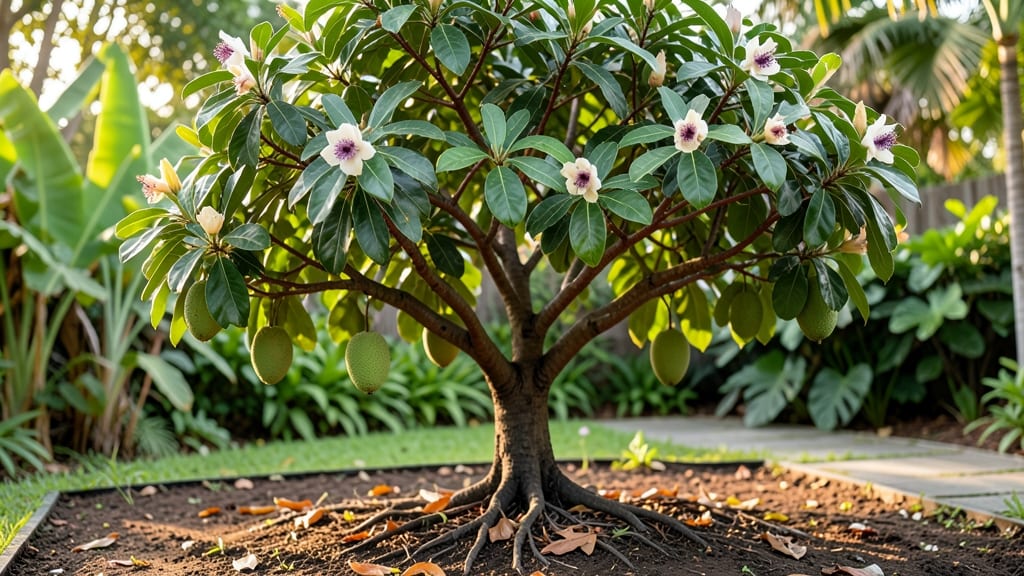
Growing sugar apple trees thrives best in USDA zones 10-12, where they bask in tropical warmth year-round. 🌴 These trees—with their sweet, custard-like fruit—refuse to tolerate frost, making them perfect for Florida, Hawaii, or Southern California gardens.
Without winter chills, they flower and fruit continuously, producing those prized, scaly-skinned fruits that taste like a mix of pineapple and banana pudding.
The key to success lies in mimicking their native tropical habitat: rich, well-draining soil and full sun exposure (at least 6-8 hours daily). In subtropical zones like 9b-9a, you can push the limits with winter protection—think frost cloth or a greenhouse—though even a light freeze will damage the tree.
I’ve seen sugar apples struggle in zone 9 unless sheltered, so if you’re on the cooler edge, plan for temporary winter housing.
What you’ll end up with is a lush, multi-stemmed tree loaded with fragrant white flowers and clusters of fruit that ripen throughout the growing season. The first harvest might take 2-3 years, but once established, these trees reward patience with abundant, year-round production—if you keep them warm enough.
The real magic happens when you slice into that creamy fruit and taste the tropical sunshine.
For cooler climates, consider growing sugar apples in large containers that you can move indoors during winter. The trade-off? Smaller trees and slightly reduced fruit size, but the sweet payoff of tropical fruit in a temperate zone makes it worth the effort.
Just remember: these trees demand warmth like a lover demands sunshine.
📚 In This Guide
- What you need
- Instructions
- Tips and common mistakes
- Wrapping up and next steps
What you need
- ● Sugar Apple Tree Seedling or Grafted Plant: 1 healthy, disease-free sapling (ensure it’s suited for Annona squamosa)
- ○ Optional: Mature tree branches for grafting (if propagating from cuttings)
- ● Well-Draining Soil Mix: 50% tropical potting soil (or garden soil amended with compost)
- ● 30% perlite or coarse sand (for drainage)
- ● 20% coconut coir or peat moss (for moisture retention)
- ● Container or Planting Hole: For containers: 1 large pot (15–20 gallons) with drainage holes
- ● For in-ground: Hole twice as wide as the root ball, with loose soil
- ● Fertilizer: Balanced organic fertilizer (10-10-10 or 6-6-6 NPK ratio)
- ● Slow-release granules or liquid feed (follow package instructions)
- ● Mulch: 2–3 inches of organic mulch (e.g., shredded bark, wood chips, or straw)
- ● Watering Can or Hose: With a gentle spray nozzle (to avoid damaging leaves)
- ● Pruning Tools: 1 pair of sterilized pruning shears
- ● 1 small hand saw (for thicker branches)
- ● USDA Hardiness Zones: 10–12 (or tropical/subtropical regions with no frost)
- ● Sunlight: Full sun (6+ hours daily) or partial shade (in extreme heat)
- ● Temperature: Ideal: 70–90°F (21–32°C)
- ● Critical: Protect from temps below 50°F (10°C)
- ● Humidity: High humidity (50%+) or frequent misting (if indoors)
- ● Tree support stake (for young saplings in windy areas)
- ● Shade cloth (30–50% coverage for hot afternoons)
- ● pH test kit (ideal soil pH: 6.0–7.0)
- ● Epsom salt (magnesium sulfate for leaf health, 1 tbsp per gallon of water)
- ● Pest control: Neem oil or insecticidal soap (preventative measure)
How to select and prepare planting sites for sugar apple trees
Mastering sugar apple tree cultivation starts with understanding their tropical roots and climate needs.
🌿 Step 1: Identify Your Growing Zone and Climate Compatibility
Sugar apple trees (Annona squamosa) thrive in USDA Hardiness Zones 10-12, where temperatures stay above 30°F year-round. If you're in Zones 9-10, plant in sheltered microclimates like near south-facing walls or under eaves. In cooler zones, grow as potted specimens and overwinter indoors above 50°F.
Real talk: Sugar apples despise frost. Even a single cold snap below 32°F will kill the tree. Check your average last frost date—these trees need 300+ frost-free days annually. If you're in Zone 8 or cooler, consider frost-hardy alternatives like custard apple or plant in large containers for mobility.
☀️ Step 2: Choose the Perfect Sun Exposure and Sheltered Location
Position your sugar apple tree in full sun to partial shade—they need 6-8 hours of direct sunlight daily but appreciate afternoon shade in Zones 11-12 where midday heat can scorch leaves. In containers, rotate pots quarter-turn weekly to prevent lopsided growth toward the light.
Here's the thing—these trees hate wind. Plant near a windbreak like a fence, building, or dense hedge. Young trees are especially vulnerable; their delicate leaves tear easily. In open spaces, use burlap wind screens or plant in clusters for mutual protection. You'll see stronger, healthier growth when leaves stay intact.
🪴 Step 3: Prepare Well-Draining, Fertile Soil with Tropical Adaptations
Sugar apples demand rich, slightly acidic soil (pH 5.5-6.5) with excellent drainage. Amend native soil with 20% compost and 10% perlite or coarse sand to prevent root rot. In containers, use a mix of 50% potting soil, 30% coconut coir, and 20% orchid bark for aeration.
Before planting, dig a hole twice as wide as the root ball but no deeper. The top of the root ball should sit 1-2 inches above ground level—this prevents waterlogging. If your soil drains poorly, create a 6-inch raised bed mound to elevate roots. You'll know drainage is right when water disappears within 2-3 hours after watering.
💧 Step 4: Establish a Consistent Watering and Mulching Routine
Water deeply 2-3 times weekly, soaking the root zone until 6 inches of soil feels moist. In containers, water when the top 1-2 inches feel dry—these trees wilt quickly when thirsty. Avoid overhead watering after planting to prevent fungal diseases like anthracnose, which thrives in damp foliage.
Apply 3 inches of organic mulch (wood chips or shredded leaves) around the base, keeping it 6 inches away from the trunk. Mulch conserves moisture and mimics the tree's tropical understory habitat. Replenish mulch annually—you'll notice fewer weeds and more consistent soil moisture with this simple step.
⏰ Step 5: Plan for Long-Term Care and Seasonal Adjustments
Fertilize monthly during growing season (spring-fall) with a balanced 10-10-10 formula, halving the recommended dose. In winter (Zones 10-11), reduce to every 6-8 weeks. Sugar apples are heavy feeders—you'll see lush, dark green leaves and abundant flowering when nutrients are right.
Prune lightly after harvest to remove dead wood and shape the tree, but avoid heavy pruning. These trees flower on new wood, so aggressive cuts reduce next year's fruit production. Watch for pests like scale insects—treat early with neem oil to prevent infestations. With proper care, your tree will bear fruit in 3-5 years.
Tips & tricks for perfect sugar apple tree placement
Took me years of trial and error to master these tropical climate secrets—here's how to avoid my early mistakes.
Zone-Specific Microclimate Hacks: In Zones 9-10, position your tree against a south-facing wall during winter months to capture reflected sunlight. I've seen trees in these zones thrive with just 4-5 hours of direct sun when protected this way—critical for extending the frost-free window. For container growers, use frost blankets rated for 28°F during unexpected cold snaps below 32°F to give roots a fighting chance.
Soil Science for Tropical Roots: The 20% compost and 10% perlite mix creates the perfect air-to-moisture ratio—think of it as creating a mini tropical rainforest in your soil. For heavy clay soils, I recommend adding 15% additional perlite to improve drainage. Test your soil pH before planting; you can adjust with sulfur pellets for acidity or lime for alkalinity, but aim for that 5.5-6.5 range where sugar apples truly thrive.
Container Rotation Strategy: That quarter-turn weekly rule isn't just about aesthetics—it prevents the tree from growing lopsided toward the light source. I've seen container-grown trees develop 30% more foliage when rotated consistently. Pair this with 360-degree light exposure by placing your container on a turntable or simply rotating it manually every 7 days during the growing season.
Wind Protection That Works: Burlap wind screens aren't just decorative—they create a 50% reduction in wind velocity at the tree's canopy level. For open spaces, I recommend planting in clusters of 3-5 trees; they'll naturally protect each other's windward sides. In extreme wind zones, consider a low-profile lattice fence (3-4 feet tall) that provides shelter without blocking sunlight.
Pro Tips for Sugar Apple Tree Growing Zone
- Took me years of trial and error to master these tropical climate secrets—here's how to avoid my early mistakes.
- Zone-Specific Microclimate Hacks: In Zones 9-10, position your tree against a south-facing wall during winter months to capture reflected sunlight.
- Soil Science for Tropical Roots: The 20% compost and 10% perlite mix creates the perfect air-to-moisture ratio—think of it as creating a mini tropical rainforest in your soil.
Frequently asked questions
Got questions about growing sugar apple trees in the right climate? You're not alone!
Here are answers to the most common concerns—from picking the perfect zone to troubleshooting tricky issues.
What are the best USDA hardiness zones for sugar apple trees?
A sugar apple tree thrives in USDA zones 10-12—think Florida, Hawaii, or Southern California. Outside these zones, grow it in containers and bring it indoors during winter. If you live in cooler areas, consider greenhouse cultivation or microclimates near heat-retaining walls.
How long does it take for a sugar apple tree to bear fruit?
Patience is key! Sugar apple trees typically take 3-5 years to bear fruit from seed, but grafted trees may fruit in 1-2 years. Ensure full sun (6+ hours/day), well-draining soil, and regular watering to speed up fruiting. Pro tip: Fertilize with citrus-specific nutrients for faster growth!
Can sugar apple trees grow in pots, or do they need a garden?
Yes! Sugar apple trees adapt well to large containers (15+ gallons) if you live outside their native zones. Use a fast-draining potting mix (like cactus/succulent blend) and repot every 2-3 years. Just ensure the pot has drainage holes to prevent root rot. Bonus: Move pots indoors when temps drop below 50°F (10°C).
What pests or diseases should I watch for in sugar apple trees?
Common issues include aphids, mealybugs, and scale insects—wipe leaves with soapy water or use neem oil. Root rot is a risk in soggy soil, so avoid overwatering. Prevent fungal diseases by pruning for airflow and sterilizing tools. Early action: Inspect leaves weekly during warm months!
Are there sugar apple tree alternatives for cooler climates?
If your zone is too cold, try similar tropical fruits like miracle fruit (Synsepalum dulcificum) or cherimoya (Annona cherimola), which tolerate slightly cooler temps. For a sugar apple-like taste, custard apple (Annona reticulata) is a hardier cousin—just check its zone needs (usually 10-11).
Wrapping up and next steps
Growing a sugar apple tree is a rewarding adventure—especially when you match it to the right growing zone! 🌴 From selecting the perfect tropical or subtropical climate to providing proper care, your tree can thrive and eventually gift you with sweet, fragrant fruit.
Whether you're a seasoned gardener or just starting, the key is patience and consistency.
Now that you’re armed with the knowledge, why not take the next step? Start by checking your local climate zone, gathering your supplies, and planting with confidence. Your future sugar apple harvest is waiting—go ahead and make it happen! 🌱✨