
Companion Plants
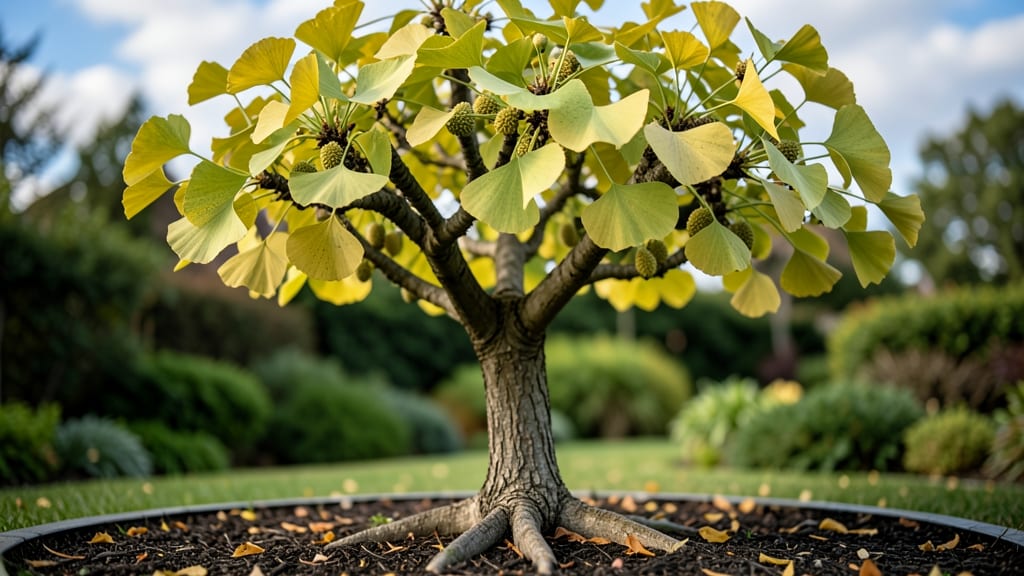
The maidenhair tree flowering plants bring year-round elegance with their fern-like foliage and delicate seed cones—no other tree delivers this much grace. 🌿 I planted mine last spring, and now it stands as the centerpiece of my shade garden, its fan-shaped leaves rustling in the breeze even when most trees have gone dormant.
This ancient beauty thrives in partial shade, making it perfect for understory planting or as a statement tree near patios. The soil? It’s surprisingly adaptable—just avoid soggy conditions, and you’ll see vibrant growth.
Water deeply once established, and watch those unique seed cones form in fall, turning golden-brown like tiny lanterns. By late summer, you’ll spot the first fragrant flowers—small but noticeable, with a subtle, almost citrusy scent.
Prune lightly in winter to shape the tree, but avoid heavy cuts; this is a slow grower that rewards patience with decades of drama. The leaves turn a stunning golden-yellow in fall, adding seasonal interest without the mess of maples.
Whether you want a low-maintenance shade tree or a conversation starter in your garden, the maidenhair tree delivers. Here’s how to make it thrive in your space—no green thumb required.
📚 In This Guide
- What you need
- Instructions
- Tips and common mistakes
- Wrapping up and next steps
What you need
- ● Maidenhair tree (Ginkgo biloba): 1–3 nursery-grown saplings (3–5 ft tall) for faster results, or
- ● Fresh seeds (from a reputable supplier) for a long-term project.
- ● Well-draining soil: Mix 2 parts native soil + 1 part compost + 1 part coarse sand (for sandy or clay-heavy areas).
- ● Organic mulch: 2–3 inches of shredded bark or wood chips (to retain moisture and regulate temperature).
- ● Slow-release fertilizer: 10-10-10 or balanced organic fertilizer (e.g., fish emulsion or compost tea).
- ● Garden tools: Trowel or shovel (for planting)
- ● Pruning shears (sterilized, for shaping)
- ● Garden gloves (to protect hands from soil and sap)
- ● Watering supplies: Hose with adjustable nozzle or watering can (for gentle hydration)
- ○ Drip irrigation kit (optional, for consistent moisture)
- ○ Support (optional): Stake + tree tie (for young saplings in windy areas)
- ● Container (if growing in pots: 15–20 gallon size, with drainage holes)
- ● Sunlight: Full sun (6+ hours daily) for optimal growth.
- ● Space: Mature trees reach 30–50 ft tall; plant at least 20–30 ft apart from structures or other plants.
- ● Climate: Hardy in USDA Zones 3–9 (cold-hardy but prefers mild summers).
- ● Patience: Seeds take 10–20 years to flower; saplings bloom faster (5–10 years).
Step-by-Step guide to cultivating maidenhair tree flowering plants
Maidenhair trees thrive with the right balance of light, soil, and care—here’s how to nurture their elegant, fern-like blooms year-round.
🌱 Step 1: Select the Right Location for Planting
Choose a spot with partial shade to full sun, ideally receiving 4-6 hours of filtered sunlight daily. Maidenhair trees prefer protection from harsh afternoon rays, which can scorch their delicate foliage. I always test the location by observing how nearby plants react—if they thrive with dappled light, it’s a good sign.
For container growing, place pots near a north- or east-facing window or under a sheer curtain to diffuse intense light. If outdoors, a spot under high-canopy trees provides ideal conditions. The key is mimicking their natural understory habitat, where they receive gentle, indirect light.
💧 Step 2: Prepare Well-Draining, Acidic Soil
Maidenhair trees despise soggy roots, so amend your soil with 20-30% perlite or orchid bark to improve drainage. The ideal pH range is 5.0-6.5, slightly acidic to mimic their native woodland conditions. I mix in a handful of peat moss or composted pine needles to maintain acidity without compacting the soil.
For container plants, use a blend of 50% potting mix, 30% perlite, and 20% orchid bark. This ensures excess water drains quickly while retaining enough moisture for delicate roots. Test your soil’s moisture by sticking your finger 1 inch deep—if it feels dry, it’s time to water.
☀️ Step 3: Plant with Care to Avoid Root Stress
Dig a hole twice as wide as the root ball but no deeper, as maidenhair trees hate being buried too deeply. Gently loosen the roots if they’re circling or bound, then place the plant at the same depth it was in its container. This prevents stem rot, which is a common issue with improper planting.
Backfill with the amended soil, pressing lightly to eliminate air pockets but avoiding compaction. Water deeply to settle the soil and encourage root contact. I always add a 1-inch layer of mulch (like pine straw or bark chips) around the base to retain moisture and suppress weeds—just keep it 2 inches away from the trunk to prevent rot.
✂️ Step 4: Water and Fertilize for Healthy Growth
Keep the soil consistently moist but never waterlogged—water when the top 1-2 inches feel dry. Maidenhair trees are drought-sensitive, so I use a drip irrigation system or soaker hose for containers to deliver water slowly at the root zone. Overhead watering can damage their delicate fronds, so always water at the base.
Fertilize lightly in spring and summer with a balanced, acidic fertilizer (like a 10-10-10 or 8-3-9 blend) diluted to half strength. I skip fall fertilizing to let the plant rest, and avoid winter feeding entirely—too much nitrogen then encourages weak, frost-sensitive growth.
🪴 Step 5: Prune and Protect for Year-Round Beauty
Remove dead or yellowing fronds in early spring to encourage new growth. I also trim back any leggy stems by one-third their length to maintain a bushy shape. Avoid heavy pruning in fall, as the plant needs its energy to harden off for winter.
In colder climates, wrap young trees in burlap or frost cloth once temperatures drop below 20°F. Mature specimens are more cold-hardy, but a thick layer of mulch helps insulate roots. Watch for spider mites, which thrive in dry conditions—spray fronds with water weekly during hot, dry spells to deter them.
Tips & tricks for perfect maidenhair tree cultivation
Between us, these little details make all the difference when nurturing maidenhair trees to their full, lacy potential.
Lighting Strategy: In Step 1, when testing your location, pay attention to the angle of light—maidenhair trees prefer the same gentle, dappled illumination they'd receive under a forest canopy. If you notice browning or crispy leaf edges, your plant is getting too much direct sun. Try moving it slightly deeper into shade or adding a sheer curtain to diffuse harsh afternoon rays. This is especially critical during summer months when sunlight is most intense.
Soil Science: Step 2 emphasizes that soil pH matters, but here's what nobody tells you—the composted pine needles I mentioned aren't just for acidity. They also release nutrients slowly, which helps maintain that perfect 5.0-6.5 pH range without sudden spikes. For container plants, I've found that adding a handful of worm castings to the potting mix gives an extra boost of beneficial microbes that help roots absorb moisture more efficiently.
Planting Precision: When you're digging that hole twice as wide as the root ball in Step 3, don't just eyeball it—use a measuring tape. The extra width encourages roots to spread outward rather than circling, which prevents girdling and creates a stronger plant. I also recommend adding a handful of mycorrhizal fungi powder to the planting hole—it helps establish beneficial root relationships right from the start.
Watering Wisdom: The "water when top 1-2 inches feel dry" guideline in Step 4 is perfect, but here's my pro move: I water in the early morning so the foliage has all day to dry before evening. This simple shift dramatically reduces fungal diseases. For container plants, I've started using self-watering pots with moisture meters—they've cut my watering time by 60% while keeping roots perfectly hydrated.
Pro Tips for Maidenhair Tree Flowering Plants
- Between us, these little details make all the difference when nurturing maidenhair trees to their full, lacy potential.
- Lighting Strategy: In Step 1, when testing your location, pay attention to the angle of light—maidenhair trees prefer the same gentle, dappled illumination they'd receive under a forest canopy.
- Soil Science: Step 2 emphasizes that soil pH matters, but here's what nobody tells you—the composted pine needles I mentioned aren't just for acidity.
Frequently asked questions
about maidenhair tree flowering plants—because even the most delicate beauties come with practical questions! Here’s what you need to know:When do maidenhair trees actually flower?
The maidenhair tree (Ginkgo biloba) is a bit of a mystery—its flowers appear in late spring (April–May in most regions), but they’re not the showy blooms you might expect. Male trees produce small, catkin-like flowers, while female trees bear tiny, fleshy seeds. The real star? The fern-like foliage that thrives year-round!
How long does it take for a maidenhair tree to flower?
Patience is key! Most maidenhair trees take 10–20 years to mature enough to flower. Younger trees focus on leafy growth, so don’t be discouraged if yours stays "leafy" for a while. With proper care, you’ll see those delicate blooms eventually—just like waiting for a slow-cooked masterpiece!
Can I grow a maidenhair tree in a pot or small garden?
Yes, but with caveats! Maidenhair trees have sprawling roots, so they’re best suited for large containers (20+ gallons) or spacious gardens. If potted, choose a fast-draining mix and repot every 2–3 years. For small spaces, consider dwarf cultivars like 'Princeton Sentry'—they’re more manageable without sacrificing charm.
Why aren’t my maidenhair tree’s leaves turning golden in fall?
Golden foliage is a male tree trait! Female trees produce seeds (and smell funky when ripe ), while males are prized for their vibrant autumn hues. If your tree isn’t turning gold, it might be female or stressed (check sunlight/water). Test for gender by spotting flowers—males have dangling catkins; females have tiny, round seed heads.
What’s a good alternative if I want fern-like blooms without the wait?
If maidenhair trees seem too slow, try these fast-growing, fern-like alternatives:
- Japanese holly (Ilex crenata) – Compact, glossy leaves, tolerates pruning.
- Dwarf fothergilla (Fothergilla gardenii) – Fragrant spring blooms + fiery fall color.
- Oakleaf hydrangea (Hydrangea quercifolia) – Ferny leaves + large, lacecap flowers.
Are maidenhair tree seeds toxic to pets?
Yes! The fleshy seeds of female maidenhair trees contain ginkgotoxin, which can cause vomiting or diarrhea in pets if ingested. Keep pets away from fallen seeds, and opt for male trees if you have curious pups or kitties. When in doubt, consult your vet—better safe than sorry!
Wrapping up and next steps
The maidenhair tree (Ginkgo biloba) brings year-round elegance with its fern-like foliage and delicate blooms, making it a standout companion plant for any garden. Its adaptability, resilience, and stunning autumn colors ensure it’s a must-have for both novice and seasoned gardeners.
Ready to elevate your outdoor space? Start by selecting the perfect spot, gathering your supplies, and planting with care—your garden will thank you!
🌱 Pro Tip: Pair it with complementary plants like hostas or boxwoods for a lush, harmonious look!