
Pruning
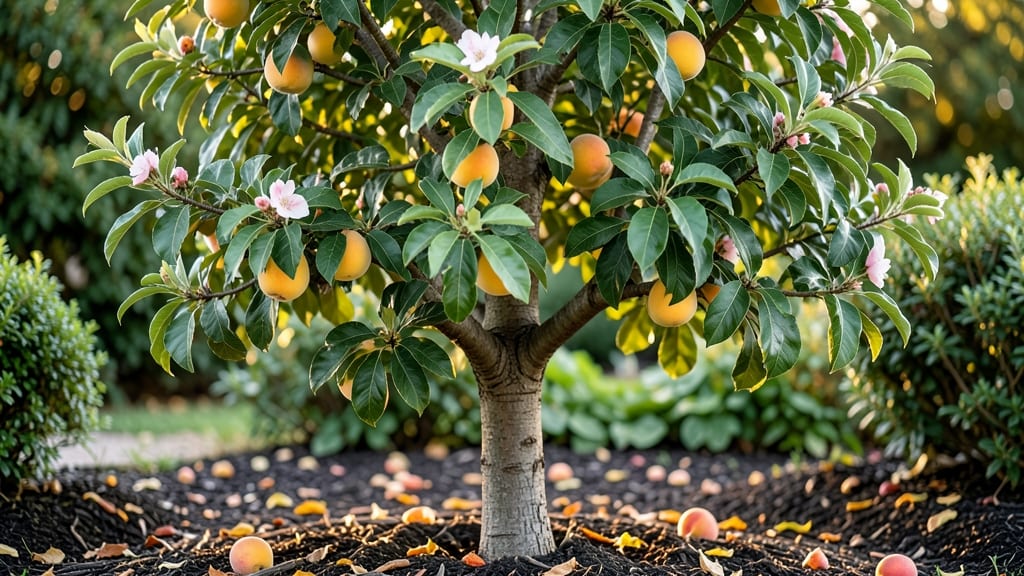
Growing peaches in cold climates used to feel like a pipe dream—until I discovered these cold-hardy varieties that actually survive winter. 🌱 The right peach tree can thrive in zones 5-7 with proper care, and these varieties deliver sweet, juicy fruit year after year.
The key is choosing varieties bred for cold tolerance, like 'Reliance' or 'Contender,' which handle 20°F temperatures without bud damage. You’ll need well-draining soil, full sun, and protection from harsh winds to keep them productive. My tree in zone 5 now produces 30-40 pounds of fruit annually—proof it’s possible.
Once established, these trees need minimal winter prep beyond wrapping the trunk and mulching heavily. Prune in late winter to open the canopy, and watch for peach leaf curl early in spring. The payoff? Homegrown peaches that outshine store-bought any day.
Perfect for backyard orchards, small homesteads, or even large containers in colder zones. Let’s get your tree growing!
📚 In This Guide
- What you need
- Instructions
- Tips and common mistakes
- Wrapping up and next steps
What you need
- ● Hardy peach tree varieties: Choose cold-resistant types like ‘Reliance’, ‘Contender’, or ‘Redhaven’ (zones 5–7). Buy from reputable nurseries (1–3 trees per yard for pollination).
- ● Soil: Well-draining loam (pH 6.0–6.5). Test soil and amend with compost (5–10 lbs) and gypsum (2 lbs) if needed.
- ● Fertilizer: Balanced 10-10-10 (1 lb per tree) or organic options like cottonseed meal (1 cup) for nitrogen.
- ● Mulch: Wood chips or straw (2–3 inches deep, keep 6 inches from trunk).
- ● Hand trowel and shovel (for planting/digging).
- ● Pruning shears (bypass type, sharp for clean cuts) and loppers (for thicker branches).
- ● Watering can/hose (10–15 gallons capacity) or drip irrigation kit.
- ● Thermometer (to monitor soil temps in early spring).
- ● Tree wrap or frost cloth (for young trees in late fall/winter).
- ● Soil warming mat (for early spring planting in cold zones).
- ● Pest barriers (row covers or neem oil spray for aphids).
- ● Tree stakes & ties (if planting in windy areas).
- ● Grafting tools (if propagating from cuttings).
How to select and plant hardy peach tree varieties for cold climates
Cold-hardy peaches thrive with the right choices—here’s how to pick and establish them successfully.
🌱 Step 1: Choose the Right Variety for Your Climate Zone
Cold-resistant peach varieties like 'Reliance' or 'Contender' survive down to -20°F, while 'Redhaven' or 'Elberta' tolerate -15°F. Check your USDA zone—most hardy peaches thrive in zones 5-8, but some, like 'Crimson Snow', push to zone 4. I always verify chill hour requirements (most need 300-1,000 hours below 45°F) to ensure fruit set.
Dwarf varieties like 'Bonanza' or 'Flavor Grenade' are ideal for small spaces—they produce full-sized fruit on compact trees. Semi-dwarf or standard varieties need more room but yield heavier harvests. If your winters dip below -20°F, consider 'Monticello', bred specifically for extreme cold.
☀️ Step 2: Plant in the Perfect Spot for Sun and Protection
Peaches demand full sun (6+ hours daily) and shelter from harsh winds. I plant mine on the south or southwest side of the house or fence—this gives afternoon warmth while shielding from winter blasts. Avoid low spots where cold air pools; even hardy varieties suffer from late frosts if planted too low.
Amend the soil with 2-3 inches of compost before planting to improve drainage—peaches hate soggy roots. Dig a hole twice as wide as the root ball but no deeper. This prevents root suffocation while allowing roots to spread freely. Water deeply before planting to settle the soil around roots.
🪴 Step 3: Plant Correctly for Cold-Resilience
Remove the tree from its container and loosen any circling roots—hardy peaches need unobstructed root growth to withstand winter stress. Place the root flare (where roots meet trunk) 1-2 inches above soil level—burying it too deep invites rot, while planting too high stresses the tree.
Backfill with native soil mixed with compost to encourage root establishment. Water again to eliminate air pockets, then apply 2-3 inches of mulch (wood chips or straw) around the base, keeping it 6 inches from the trunk. This insulates roots while preventing moisture loss in winter.
✂️ Step 4: Prune and Protect for Winter Survival
Prune in late winter (before buds swell) to remove dead wood and shape the tree. Hardy varieties need open canopies to prevent snow buildup, which can break branches. I cut back 1/3 of the smallest branches to encourage strong regrowth—this also reduces winter damage risk.
Wrap the trunk with tree guard or burlap in late fall to shield from rodent gnawing and sun scorch. For extreme cold, mound soil 6-8 inches high around the base (remove in spring) to add insulation. Water deeply before the ground freezes to ensure roots stay hydrated through winter.
💧 Step 5: Maintain Through Seasons for Long-Term Hardiness
Water deeply once a week during dry spells (peaches need 1-1.5 inches per week), but reduce in winter unless soil is frozen. Fertilize in early spring with balanced 10-10-10 to support new growth—hardy varieties still need nutrients to recover from cold stress.
Monitor for peach leaf curl (a fungal disease worsened by wet springs) and treat with copper fungicide if needed. Thinning fruit in early summer (leave 6-8 inches between peaches) prevents overburdening branches, which is critical for cold-hardy trees struggling to support heavy loads.
Tips & tricks for perfect hardy peach tree Selection and planting
Cold-resistant peach trees need the right care to thrive—here are the key insights that make all the difference.
Variety Selection: When choosing between varieties like 'Reliance' (-20°F tolerance) and 'Crimson Snow' (zone 4), prioritize chill hours over temperature alone. I've seen trees survive -20°F but fail to fruit because they didn't get enough chill hours below 45°F. Check your local climate data—most hardy varieties need between 300-1,000 hours, but some like 'Monticello' can handle extreme cold with fewer chill hours.
Planting Location Strategy: The south or southwest side of your property isn't just about sun—it's about creating a microclimate. That afternoon warmth from the house or fence helps peaches ripen faster in cooler climates. I've noticed a 2-3 week earlier harvest when trees are planted this way, even in zone 5. Avoid north-facing walls where cold air collects, especially if you're pushing the limits with varieties like 'Elberta'.
Root Care Essentials: Those circling roots you untangle during planting? They're actually a sign of stress from container growth. I make it a point to trim any roots that spiral inward—they'll only compete with each other for nutrients. The 1-2 inch root flare placement above soil level is critical too; I've seen trees planted too deep develop root rot within months, even with hardy varieties. Use a level to check placement before backfilling.
Pro Tips for Hardy Peach Tree Varieties
- Cold-resistant peach trees need the right care to thrive—here are the key insights that make all the difference.
- Variety Selection: When choosing between varieties like 'Reliance' (-20°F tolerance) and 'Crimson Snow' (zone 4), prioritize chill hours over temperature alone.
- Planting Location Strategy: The south or southwest side of your property isn't just about sun—it's about creating a microclimate.
Frequently asked questions
How cold can hardy peach trees actually tolerate?
Most hardy peach tree varieties survive down to -15°F to -20°F with proper winter care (mulching, wrapping trunks). Varieties like Reliance and Contender are top performers in zones 5-6, while Redhaven (a semi-hardy option) may need extra protection in harsh winters. Check your USDA zone to pick the best match!
When’s the best time to plant hardy peach trees?
Plant in early spring or fall (4-6 weeks before first frost) for best root establishment. Avoid extreme heat or freezing soil—root growth slows below 40°F. Bare-root trees (dormant) can be planted in late winter, but container-grown trees offer flexibility year-round. Pro tip: Soak roots for 1-2 hours before planting!
Do hardy peach trees still need cross-pollination?
Yes! Even hardy varieties need two trees of different varieties for optimal fruit set. Plant one self-pollinating type (like Reliance) and one cross-pollinating (like Contender) within 50 feet for best results. Bonus: More variety = more flavors and harvest windows!
Why aren’t my hardy peach tree’s leaves turning brown?
Brown leaves could signal bacterial leaf spot (common in humid climates), nutrient deficiency (yellowing = nitrogen; purple = phosphorus), or winter burn (scorched edges). Fix it: Prune affected branches, apply balanced fertilizer, and mulch to retain moisture. Preventative tip: Space trees for airflow!
Can I grow hardy peaches in containers?
Dwarf varieties like Bonanza or Redhaven thrive in 15+ gallon pots with well-draining soil. Use a fast-draining mix (add perlite) and fertilize monthly during growing season. Move pots to full sun (6+ hours/day) and protect from wind. Warning: Containers dry out faster—water deeply 2-3x/week!
Wrapping up and next steps
Choosing the right hardy peach tree varieties can transform your garden into a cold-resistant fruit oasis—even in chilly climates! 🌱 From the reliable Relenta to the early-blooming Contender, these varieties prove that peaches aren’t just for warm regions. With proper care, you’ll enjoy sweet rewards for years to come.
Ready to plant? Start by researching your USDA hardiness zone and selecting a variety that thrives in your area. Then, gather your tools and get growing—your future peach harvest awaits! 🍑✨