
Leaf Blower
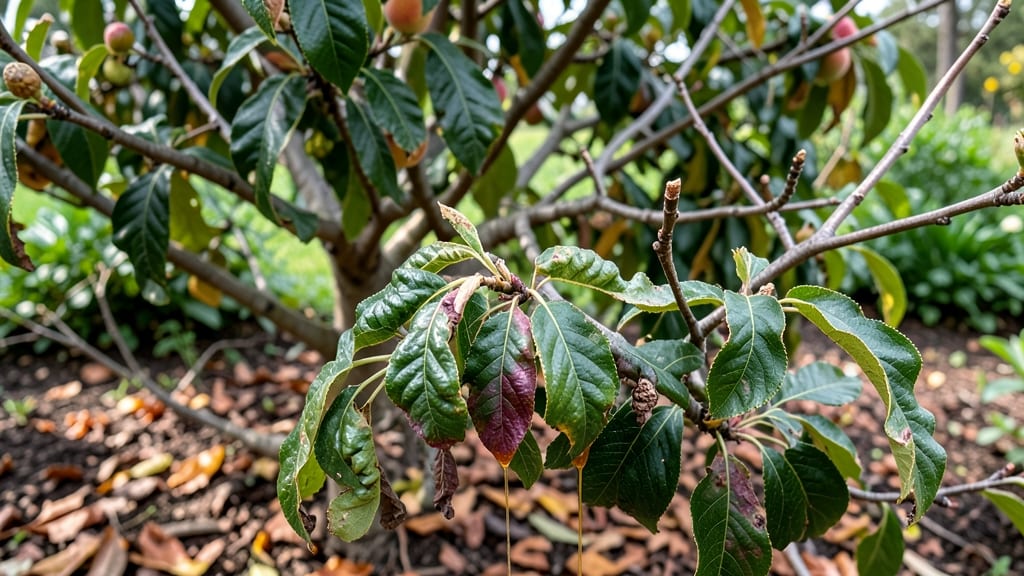
Your peach tree’s problems with leaf curl—those curled leaves with telltale white fuzz—are stealing your tree’s energy before the first peach even forms. 🌿 I’ve battled this fungus (Taphrina deformans) for years—until I learned the 3-step organic cure that stops it without harsh chemicals.
The problem starts when fungal spores hitch a ride on rain or wind, infecting leaves in late winter or early spring. Without treatment, your tree’s growth stalls, fruit quality drops, and those pretty spring blooms turn into a sad, puckered mess.
But here’s the good news: dormant season sprays, strategic pruning, and copper-based treatments can turn things around in just a few weeks. By mid-summer, you’ll see fresh, smooth leaves unfurling—and next year’s harvest will be bigger than ever.
The secret is acting early (before buds swell) and repeating treatments at key times. I’ll show you exactly how to do it without losing your sanity (or your tree). Works for home orchards, backyard trees, and even container-grown peaches.
Let’s get that tree back to producing juicy, sweet peaches instead of fungal snacks.
Root Causes Of Leaf Curl
Understanding why your peach tree’s leaves are curling is the first step to fixing the problem. Leaf curl in peach trees is rarely a single issue—it’s usually a mix of environmental stress, fungal infections, or poor growing conditions.
Let’s break down the most common culprits with clear, actionable science behind them.
The most notorious cause of leaf curl in peach trees is Taphrina deformans, a fungus that thrives in damp, cool conditions. Here’s how it works:
- Overwintering Spores: The fungus survives winter in infected buds or fallen leaves. When spring arrives and temperatures hover between 50–70°F (10–21°C), spores germinate and infect young, tender leaves. - Symptom Trigger: Infected leaves thicken, curl downward, and develop a reddish or purplish hue on the underside.
Over time, they may turn yellow and fall prematurely. - Why It Spreads Fast: Fungal spores are lightweight and spread via wind or splashing rain. Trees under stress (from drought, poor nutrition, or overcrowding) are 3x more susceptible to infection.
💡 Pro Tip: If you notice curled leaves in early spring, check for tiny, raised, red or purple spots on the underside—this is a dead giveaway for Taphrina deformans.
Peach trees are sensitive to extreme conditions, and sudden changes can cause leaves to curl as a defensive response. Here’s what’s happening:
- Heat & Drought Stress: - When temperatures soar above 90°F (32°C) or roots struggle to absorb water, leaves curl upward to reduce surface area and limit water loss. - Actionable Sign: Affected leaves feel dry, crispy, or brittle to the touch. - Cold Damage: - Late frosts or sudden cold snaps (< 28°F / -2°C) can cause leaf edge curling or "frost burn."
Young leaves are especially vulnerable. - Tell-Tale Sign: Curled leaves may have brown or blackened tips and appear leathery. - Wind & Physical Damage: - High winds can mechanically damage leaves, causing them to curl or pucker.
This is common in exposed orchards or urban yards.
✨ Quick Fix: Mulch around the base of the tree to retain moisture and shield roots from temperature swings. Water deeply 1–2 times per week during heatwaves.
A peach tree’s health starts underground. If the soil is lacking key nutrients or has pH issues, leaves will curl as a distress signal. Here’s the breakdown:
| Nutrient Deficiency | How It Causes Curling | Quick Test |
|---|---|---|
| Magnesium (Mg) | Leaves curl downward, especially along the edges. Older leaves yellow between veins. | Press a leaf—if it’s soft and pale, magnesium may be low. |
| Zinc (Zn) | New leaves curl upward and develop stunted growth. Called "little leaf" syndrome. | Check for small, narrow leaves clustered tightly. |
| Boron (B) | Leaves curl and develop blackened, dead spots (a condition called "boron deficiency"). | Common in alkaline soils (pH > 7.0). |
| Nitrogen (N) | Leaves curl upward and turn pale green or yellow (chlorosis). | Test soil pH—if it’s < 6.0, nitrogen becomes less available. |
🔥 Action Step: Conduct a soil test (available at local extension offices) and amend with:
- Epsom salt (for magnesium)
- Zinc sulfate (for zinc)
- Borax (for boron)
- Compost or aged manure (to improve soil structure and microbial activity)
While less common than fungi or stress, certain pests can trigger leaf curling by feeding on sap or injecting toxins:
- Peach Tree Borers: - Larvae burrow into the cambium layer (the tree’s growth ring), disrupting nutrient flow.
Leaves curl and wilt as the tree struggles to transport water. - Signs: Sawdust-like frass near the trunk or oozing sap. - Aphids & Spider Mites: - These tiny pests suck sap from leaves, causing them to curl upward and develop a sticky residue (honeydew). - Check: Use a magnifying glass to spot tiny webs (mites) or clusters of small insects on leaf undersides. - Peach Leaf Curling Mite: - Unlike fungal curl, this mite’s damage appears as small, puckered, yellowed areas on leaves.
Severe infestations cause complete leaf distortion.
🎯 Prevention: Spray trees with neem oil or insecticidal soap in early spring before pests hatch. Prune heavily infested branches and dispose of them in sealed bags.
Sometimes, well-meaning gardeners accidentally stress peach trees with poor practices:
- Overwatering: - Root rot (from Phytophthora fungi) suffocates roots, starving the tree of water and nutrients. Leaves curl downward and feel soggy. - Fix: Ensure 6 inches of drainage below the root ball.
Water only when the top 2 inches of soil are dry. - Over-Fertilizing: - Excess nitrogen or salts can burn roots, leading to curled, yellowed leaves.
Look for crusty soil around the base. - Pruning at the Wrong Time: - Cutting back peach trees during dormancy (winter) or late summer stresses them, making them vulnerable to fungal infections. - Rule of Thumb: Prune in late winter/early spring (just before buds swell).
Not sure what’s wrong? Use this quick checklist to narrow it down:
- When did the curling start?
- Early spring? → Likely Taphrina deformans (fungal).
- Mid-summer? → Heat/drought or nutrient deficiency.
- After rain? → Fungal spores or pest activity.
- Check the leaf underside:
- Red/purple spots? → Fungal infection.
- Sticky residue? → Aphids or mites.
- No visible signs? → Environmental stress or soil issues.
- Examine the tree’s overall health:
- Drooping branches? → Root rot or borers.
- Stunted new growth? → Nutrient deficiency (zinc/boron).
- Healthy-looking but curled? → Heat or wind damage.
Fixing Leaf Curl in Peach Trees
Peach tree leaf curl can be frustrating, but with the right approach, you can restore your tree’s health and prevent future outbreaks. Below, we break down practical, organic solutions tailored to the most common causes—from fungal infections to environmental stressors. Follow these steps to nurse your tree back to vitality.
If leaf curl is caused by peach leaf curl fungus (Taphrina deformans), act fast to stop the spread and protect next year’s growth.
🔪 Step 1: Prune Infected Branches
- When: Late winter or early spring before buds swell (ideal timing: February–March).
- How:
- Use sterilized pruners (wipe with rubbing alcohol or bleach solution) to avoid spreading spores.
- Cut out all curled, thickened, or reddened leaves—even if they’re still attached.
- Remove small branches with severe infection (they won’t recover).
- Dispose of prunings in the trash (not compost)—fungus can survive in yard waste.
🌡️ Step 2: Apply Organic Fungicides Preventative sprays are key.
Use these DIY or store-bought options 2–3 times per season: - Baking Soda Spray (for mild cases): - Mix 1 tbsp baking soda + 1 tbsp horticultural oil + 1 tsp mild soap + 1 gallon water. - Spray thoroughly (including undersides of leaves) every 10–14 days during bud swell. - Neem Oil Solution (natural fungicide + insect repellent): - Combine 2 tbsp neem oil + 1 tsp soap + 1 gallon water.
Shake well and spray at dusk (avoids harming bees). - Copper Fungicide (for severe outbreaks): - Use copper sulfate or copper hydroxide (follow label rates). Apply before bud break and again after pruning.
🌱 Step 3: Improve Airflow & Sanitation
- Thin the canopy to reduce humidity (fungus thrives in damp conditions).
- Rake and remove fallen leaves from under the tree—burn or trash them to eliminate spores.
- Mulch properly: Use 2–3 inches of organic mulch (wood chips, straw) but keep it 6 inches away from the trunk to prevent moisture buildup.
If leaf curl stems from heat, drought, or poor soil, focus on hydration, shade, and nutrient balance.
💧 Step 1: Deep Watering & Mulching
- Water deeply 1–2 times per week (check soil moisture—top 2 inches should be dry before watering).
- Mulch heavily (3–4 inches) to retain moisture and regulate soil temperature.
- Avoid overhead watering (use drip irrigation or soaker hoses to prevent fungal splash).
🌿 Step 2: Provide Temporary Shade
- If your tree is in a hot, sunny spot, use shade cloth (30–50%) during peak summer months (10 AM–4 PM).
- Reflective mulch (white landscape fabric) can reduce soil heat stress.
🍄 Step 3: Test & Amend Soil
- Soil pH matters: Peach trees prefer slightly acidic soil (6.0–6.5).
Test with a home kit or send a sample to a lab. - Add organic matter: - Mix in compost or well-rotted manure (1–2 inches worked into topsoil). - For nutrient deficiencies, use kelp meal (potassium) or fish emulsion (nitrogen) in early spring.
Once your tree recovers, proactive care keeps leaf curl at bay.
💡 Pro Tip: Year-Round Prevention Checklist
| Season | Action |
|---|---|
| Late Winter | Prune before buds swell + apply copper fungicide or neem oil. |
| Spring | Monitor for new growth; respray with baking soda/neem if needed. |
| Summer | Water deeply, mulch, and watch for pests (aphids spread fungus). |
| Fall | Rake leaves, remove debris, and test soil for winter prep. |
🌟 Bonus: Natural Tree Strengtheners
- Garlic spray (1 chopped garlic clove + 1 quart water, steep 24 hours, strain, and spray) boosts immunity.
- Comfrey tea (steep comfrey leaves in water for 24 hours, then dilute 1:10 and spray) enhances root health.
- Mild cases: Notice improvement in 4–6 weeks with consistent care.
- Severe fungal infections: May take 1–2 growing seasons to fully recover—stay patient and persistent!
- Environmental stress: Leaves should uncurl within 2–3 weeks if hydration and shade are corrected.
Remember: The key to curing peach tree leaf curl is early action + prevention. By combining pruning, organic sprays, and soil care, your tree can bounce back stronger than ever. 🌳💚
Frequently asked questions
Why do peach tree leaves curl upward vs. downward?
Upward curling often signals heat stress, drought, or pest damage like mites or aphids. Downward curling typically means fungal infection (leaf curl) or magnesium deficiency. Check leaf undersides—red/purple spots confirm fungus, while sticky residue suggests pests.
Can I use regular baking soda to treat fungal leaf curl?
Yes, but with key adjustments! Mix 1 tbsp baking soda + 1 tbsp horticultural oil + 1 tsp soap + 1 gallon water—the oil helps it stick. Spray every 10–14 days during bud swell, focusing on leaf undersides where spores hide. Add a drop of dish soap to help it adhere.
How do I know if my peach tree has leaf curl fungus vs. just stress?
Fungal leaf curl (Taphrina deformans) shows thickened, puckered leaves with red/purple undersides in early spring. Stress curls are usually uniform, dry, or crispy without color changes. Tap leaves—fungal leaves feel leathery, while stressed leaves feel brittle.
Will pruning help if my tree already has curled leaves?
Yes, but only if you remove all infected branches—even small ones. Cut 6–12 inches below the curled leaves to ensure you remove hidden spores. Sterilize tools with rubbing alcohol between cuts. Dispose of prunings in the trash (not compost). Prune in late winter before buds swell.
How often should I apply copper fungicide for prevention?
Apply copper fungicide 2–3 times per season: once in late winter (before bud break), again after pruning, and a third time if you see early signs. Follow label rates—overuse can harm beneficial microbes. Mix with water and spray thoroughly, including trunk and branch crevices where spores hide.