
Propagation
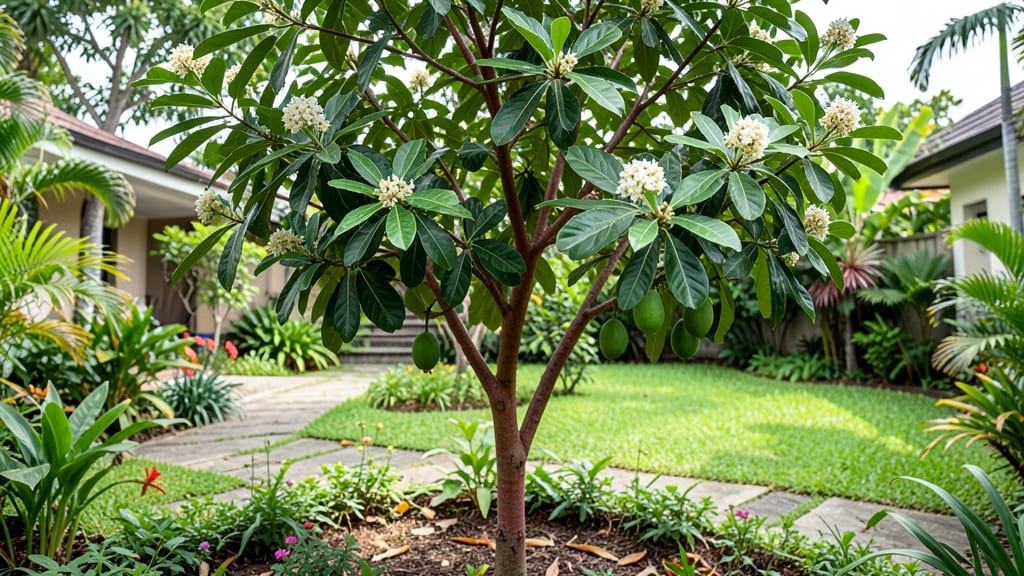
Growing a guava tree from seed delivers that tropical fruit promise—sweet, fragrant guavas right from your backyard. 🌱 I started mine from a grocery store seed, and after 18 months, I'm finally tasting the reward.
The process isn't instant, but with the right care, you'll end up with a lush, productive tree that outshines store-bought fruit. The trick is patience and consistency. Guava seeds germinate slowly—sometimes taking 2-4 weeks—so don't rush it.
A warm spot, moist soil, and indirect light are all you need to kickstart growth. Once sprouted, keep the soil slightly damp but never soggy, and give it plenty of sunlight to build strong stems.
By the time your seedling hits 12 inches, you'll notice thick, glossy leaves and a sturdy trunk ready for transplanting. It takes 3-5 years to bear fruit, but the journey is worth it—imagine plucking ripe guavas straight from your own tree. The scent alone makes every step worthwhile.
This method works for any climate, though tropical regions speed up growth. Just be ready for slow progress—guava trees grow at their own pace, but the payoff is homegrown sweetness you won't find in stores.
📚 In This Guide
- What you need
- Instructions
- Tips and common mistakes
- Wrapping up and next steps
What you need
- ● Guava seeds – 2–5 fresh, plump seeds (harvested from ripe guava fruit; avoid seeds from store-bought fruit if possible, as they may be treated).
- ● Well-draining potting mix – 1–2 gallons of a lightweight, organic blend (e.g., 60% coconut coir, 30% perlite, 10% compost). Pro tip: Avoid heavy garden soil—guava roots hate soggy conditions! 🌡️
- ● Small pots or seed trays – 4–6 biodegradable or plastic pots (3–4 inches in diameter) or a seed tray with drainage holes.
- ● Drainage tray or saucer – 1 (to catch excess water and prevent root rot).
- ● Spray bottle – For gentle watering (avoid over-saturating seeds!).
- ○ Clear plastic wrap or humidity dome – To create a mini greenhouse effect (optional but highly recommended for germination).
- ● Sunlight or grow lights – A bright, indirect light source (e.g., south-facing window or LED grow lights for 12–14 hours/day).
- ● Pruning shears or knife – For cleaning seeds (removing excess fruit pulp) and later trimming saplings.
- ● Fertilizer (balanced, water-soluble) – 1 small bottle (e.g., 10-10-10 NPK ratio) for post-germination care.
- ● Mulch (e.g., straw or wood chips) – Once transplanted outdoors, to retain moisture and regulate soil temperature.
- ○ Support stake or trellis – For young trees (optional but helpful as they grow taller).
- ● pH testing kit – To ensure soil pH is 5.5–6.5 (guavas prefer slightly acidic soil).
- ● Pest control (neem oil or insecticidal soap) – For treating aphids, mealybugs, or fungal issues.
Step-by-step instructions for growing a guava tree from seed
Here's how I grow healthy guava trees from seed—no green thumb required.
🌱 Step 1: Select and Prepare the Seed
Pick a ripe guava fruit and scoop out the seeds—don't wash them yet. Guava seeds germinate best when fresh, so use them within 24 hours. I like to remove the seeds from the pulp and spread them on a paper towel to dry slightly for 10-15 minutes—this prevents mold in the soil later.
Here's the thing—guava seeds have a hard outer shell that slows germination. I soak them in warm water for 24 hours to soften the coating. Place them in a jar, cover with water, and let them sit at room temperature. You'll see tiny cracks appear in the seed coat—that's your signal they're ready.
🪴 Step 2: Fill Containers With Moistened Soil
Use a well-draining potting mix—guava trees hate soggy roots. I fill 4-inch diameter pots (one per seed) with a mix of 50% potting soil and 50% perlite or coarse sand. Moisten the mix until it feels like a damp sponge, but not dripping wet.
Press the soil down gently to remove air pockets—this ensures good root contact. I like to make a small hole about ½ inch deep with my finger, just enough to cradle the seed. Planting too deep delays germination because the seedling needs to push through more soil.
💧 Step 3: Plant the Seed and Maintain Warmth
Place one soaked seed in each hole, cover lightly with soil (just enough to hide it), and water gently with a spray bottle. Guava seeds need warmth to germinate—aim for 75-85°F. I use a seedling heat mat set to 80°F and cover the pots with clear plastic wrap to trap moisture.
Check the soil daily—it should stay consistently moist but not waterlogged. If the surface feels dry, mist lightly. Germination takes 14-30 days, so patience is key. I keep the pots in indirect light during this time—direct sun can dry out the soil too fast.
☀️ Step 4: Provide Light and Gradually Acclimate
Once seedlings emerge, remove the plastic wrap immediately to prevent mold. Move them to a bright spot with 6-8 hours of indirect sunlight daily. Guava seedlings grow fast, so I gradually introduce direct sun over 1-2 weeks to avoid leaf scorch.
You'll notice the first true leaves appear after 4-6 weeks. That's when I start fertilizing with a balanced 10-10-10 liquid fertilizer diluted to half strength. Water deeply when the top inch of soil feels dry—guava trees prefer slightly dry conditions between waterings.
🌿 Step 5: Transplant to Larger Pots
When seedlings reach 6-8 inches tall (usually after 3-4 months), transplant them to 1-gallon pots with fresh potting mix. Gently loosen the roots and place them in the new pot, burying up to the first set of true leaves. This encourages strong stem growth.
After transplanting, water thoroughly and place the pots in a spot with full sun exposure. Guava trees thrive in warm climates but can handle brief cold snaps if kept indoors. I keep mine near a south-facing window during winter to maintain growth.
⏰ Step 6: Prune and Care for Long-Term Growth
Prune leggy growth to encourage bushier development. Pinch back the tips of new branches when they reach 6 inches tall—this redirects energy to side shoots. You'll see more compact, stronger growth within a few weeks.
Guava trees fruit best with consistent care. Water deeply 1-2 times weekly during dry spells, and fertilize monthly with a low-nitrogen fertilizer (like 5-10-10) in spring and summer. With patience, your seedling could produce fruit in 3-5 years—so keep nurturing!
Tips & tricks for growing a guava tree from seed
Here's what nobody tells you about nurturing these tropical beauties from the ground up.
Seed Selection and Prep: Don't rush to plant those seeds right away! The 24-hour soaking is non-negotiable for breaking that tough seed coat. I've learned the hard way—skipping this step means waiting weeks longer for germination. After soaking, spread seeds on a paper towel for just 10-15 minutes to dry slightly; this prevents mold when planting. Look for seeds with tiny cracks—they're ready to go!
Soil Science: That 50-50 mix of potting soil and perlite isn't just random—I promise you'll see the difference. The perlite prevents compaction while still holding moisture. When making that ½-inch deep hole, use your finger to gauge depth—any deeper and your seedling will struggle to break through. Gently press the soil around the seed to eliminate air pockets, ensuring maximum root contact from day one.
Warmth is Everything: Guava seeds are tropical divas—they demand 75-85°F to germinate. I use a seedling heat mat set to 80°F and cover pots with plastic wrap to create a mini greenhouse. Pro tip: Place a thermometer near your pots to monitor temperature constantly. If your home runs cooler, consider a sunny windowsill with a space heater nearby—just keep it consistent!
Light Transition: Those first 6-8 hours of indirect light are crucial for fragile seedlings. I place mine under a grow light on a timer for 8 hours daily until they're strong enough for direct sun. When gradually introducing sunlight over 1-2 weeks, start with just 30 minutes of direct exposure and increase daily. Watch for pale leaves—they're begging for more light, but don't rush them or risk scorching.
Pro Tips for Guava Tree From Seed
- Here's what nobody tells you about nurturing these tropical beauties from the ground up.
- Seed Selection and Prep: Don't rush to plant those seeds right away!
- Soil Science: That 50-50 mix of potting soil and perlite isn't just random—I promise you'll see the difference.
Frequently asked questions
Got questions about growing a guava tree from seed? You’re not alone! Here are answers to the most common queries to help you navigate the process with confidence.
How long does it take for a guava seed to sprout?
A guava seed typically sprouts within 2–4 weeks if kept in warm, moist conditions (70–85°F). Patience is key—some seeds may take longer, especially if stored improperly. Keep the soil consistently damp but not soggy, and place the pot in bright, indirect light. If no sprouts appear after 6 weeks, gently check the seed’s viability by soaking it in water overnight—if it floats, it’s likely nonviable.
When will my guava tree start producing fruit?
Guava trees grown from seed can take 3–5 years to bear fruit, depending on care, climate, and variety. Grafted trees (not from seed) may fruit sooner (1–2 years), but seed-grown trees are slower due to genetic variability. To speed things up, ensure your tree gets full sun, regular watering, and balanced fertilization. Pro tip: Prune strategically to encourage a sturdy structure and better airflow, which promotes fruiting.
Can I grow a guava tree indoors?
Guava trees thrive outdoors in tropical/subtropical climates, but you can grow them indoors with limitations. Place your seedling near a sunny window (south-facing) or under grow lights for 6–8 hours daily. Use a large pot (10+ gallons) with drainage, and maintain humidity with a pebble tray or misting. Expect slower growth and smaller fruit—outdoor planting is ideal once temperatures stay above 50°F year-round.
Why isn’t my guava seedling growing?
Slow growth or wilting often stems from overwatering, poor light, or nutrient deficiencies. Check these fixes:
- Light: Guava seedlings need bright, indirect light (direct sun can scorch young leaves).
- Water: Water when the top inch of soil is dry—avoid waterlogged roots.
- Soil: Use well-draining, slightly acidic soil (pH 6.0–6.5) with compost.
- Fertilizer: Start with a balanced, diluted fertilizer (10-10-10) every 4–6 weeks.
What’s the best climate for growing guava trees from seed?
Guava trees love warm, humid climates with no frost. Ideal conditions include:
- Year-round temperatures between 60–90°F.
- High humidity (common in tropical/subtropical regions).
- Well-draining soil (sandy loam is perfect).
Wrapping up and next steps
Growing a guava tree from seed is a rewarding journey that connects you to nature’s bounty—literally! 🌱 With patience, the right care, and a dash of tropical love, you’ll soon enjoy fragrant blooms and juicy fruit straight from your own backyard.
Whether you’re a beginner or a seasoned gardener, this process is a fun way to nurture life and savor the sweet taste of success.
Ready to take the next step? Start small:
- Plant your first seed today—your future guava tree is waiting!
- Share your progress with fellow plant enthusiasts for tips and encouragement.
- Explore grafting or pruning techniques once your tree matures for even better yields.