
Blooming
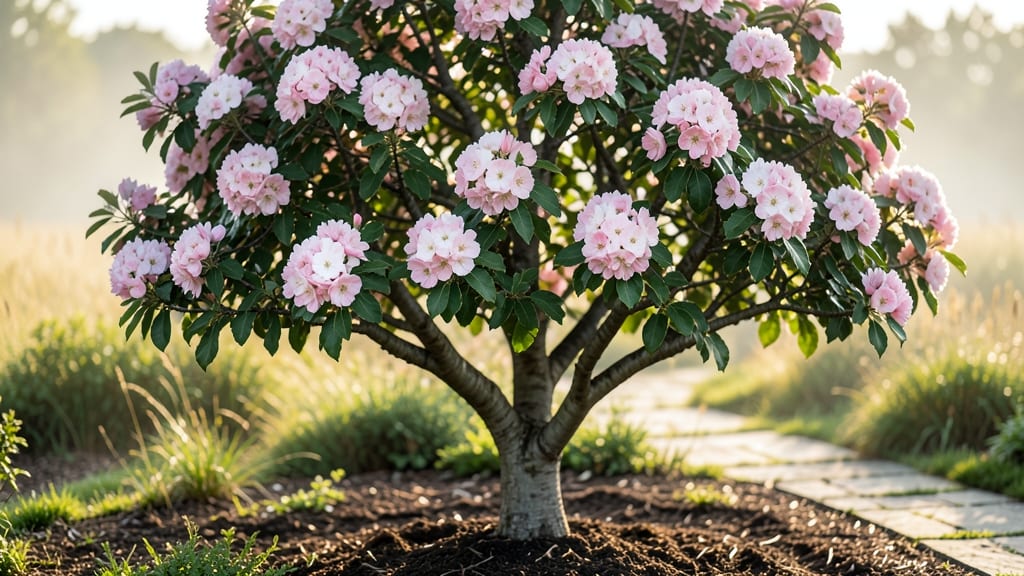
Nothing announces spring like the Gala apple tree blossoms—pale pink clouds that transform your yard into a fragrant, buzzing paradise. 🌸 I still remember the first time I saw mine explode in bloom, their delicate petals catching the morning light while bees hummed in a frenzy below.
These aren’t just pretty faces; they’re the centerpiece of early spring, turning any landscape into a storybook scene.
The magic happens in late April to early May, when clusters of blossoms burst open in waves. Pair them with dwarf lilacs for a layered effect or bleeding hearts to soften the edges—both thrive in similar light and soil.
Prune lightly in winter to open the canopy, letting sunlight paint every petal with that signature blush. The result? A three-week spectacle that feels like nature’s own confetti shower.
What makes them special isn’t just the color—it’s the scent. A light breeze carries their sweet, honeyed fragrance across the yard, drawing hummingbirds and bees like a magnet. Even after the petals fall, the tree’s glossy green leaves take over, keeping the show going until harvest season.
Plant one near a patio or walkway to turn everyday moments into memories.
For best results, choose a spot with full sun and well-draining soil—though they’re forgiving enough to handle partial shade if needed. Avoid heavy pruning after blooming, as that’s when next year’s buds form.
The payoff? A tree that’s as functional as it is beautiful, giving you shade, fruit, and a springtime masterpiece year after year.
📚 In This Guide
- What you need
- Instructions
- Tips and common mistakes
- Wrapping up and next steps
What you need
- ● Gala Apple Tree Sapling: 1 healthy, disease-resistant tree (bare-root or potted, 1-3 years old). Check for Malus domestica varieties labeled "Gala."
- ● Well-Draining Soil: 2-3 cubic yards of a mix of topsoil (60%), compost (30%), and perlite/sand (10%) for optimal root growth.
- ● Organic Fertilizer: 5 lbs of balanced 10-10-10 or a slow-release apple-tree-specific blend (e.g., Espoma Tree-Tone).
- ● Mulch: 3-4 inches of wood chips or straw to retain moisture and regulate soil temperature.
- ● Shovel & Spade: 1 medium-sized shovel for digging and 1 spade for soil prep.
- ● Pruning Shears: Sharp, sterilized shears (or a small handsaw for thicker branches).
- ● Garden Gloves: 1 pair of durable, cut-resistant gloves (e.g., Fellex or Wolverine).
- ● Watering Can/Hose: With a gentle spray nozzle for post-planting hydration.
- ● Measuring Tape: 1 for spacing (recommended: 15-20 ft from structures or other trees).
- ● Tree Stake & Ties: 1-2 stakes (4-6 ft tall) and soft fabric ties to support young trees in windy areas.
- ● Drip Irrigation System: For automated watering during dry spells (especially in the first year).
- ● Pest Deterrents: Neem oil spray or aphid-resistant companion plants (e.g., marigolds).
- ● Blossom-Friendly Additions: A small bird feeder or bee hotel nearby to attract pollinators!
How to care for Gala apple tree blossoms
Here's how to nurture those stunning spring blooms into a fruitful harvest.
🌱 Step 1: Prune for Better Airflow and Light
Start by removing any dead, diseased, or crossing branches with clean, sharp pruners. Gala apple trees thrive when they get plenty of sunlight and air circulation—this prevents fungal diseases that can ruin blossoms. Cut back to an outward-facing bud or branch to encourage new growth in the right direction.
Focus on thinning out the center of the tree first. You'll want to create an open vase shape that lets sunlight reach all the blossoms. Watch for any branches rubbing together—they'll eventually damage each other and create entry points for pests. Remove those completely at the base.
☀️ Step 2: Provide Ideal Conditions for Blooming
Gala apple trees need full sun—at least 6-8 hours daily—for healthy blossoms. If your tree is in partial shade, move it or supplement with a south-facing exposure. The blossoms will be more vibrant and last longer when they get consistent sunlight.
Water deeply once a week during the blooming season, ensuring the soil stays moist but not soggy. You'll know it's right when the top 2 inches of soil feel damp to the touch. Overwatering can cause root rot, while underwatering stresses the tree and reduces bloom quality.
💧 Step 3: Protect Blossoms from Pests and Disease
Spray the tree with neem oil or a copper fungicide before blossoms open to prevent common issues like apple scab or powdery mildew. These diseases can disfigure blossoms and reduce fruit set. Apply in the early morning or late evening to avoid harming bees that pollinate the flowers.
Keep an eye out for aphids, mites, or codling moths—they love tender blossoms. If you spot pests, treat with insecticidal soap or horticultural oil immediately. A strong blast of water from the hose can also dislodge many soft-bodied insects without chemicals.
⏰ Step 4: Encourage Pollination for Fruit Set
Gala apple trees are self-pollinating, but they produce more fruit when bees visit. Plant companion flowers like dwarf crabapple trees, lavender, or clover nearby to attract pollinators. Avoid pesticides during bloom time—bees are essential for fruit development.
If your area lacks natural pollinators, gently shake the branches on a warm, sunny day when bees are active. This helps distribute pollen from blossom to blossom. You'll see tiny green fruitlets form within 4-6 weeks—that's your sign pollination worked!
🌿 Step 5: Maintain Through Summer for Next Year’s Blooms
After blossoms fade, thin out 25% of the fruit to ensure the remaining apples get enough nutrients. Leave 6-8 inches between apples—crowded fruit leads to small, poor-quality harvests. Remove any misshapen or damaged apples immediately.
Continue deep watering every 10-14 days and mulch around the base with 2-3 inches of organic matter (like wood chips or straw) to retain moisture. This keeps roots cool and encourages strong root growth for next year’s blossoms.
Tips & tricks for perfect Gala apple tree blossoms
Here's what nobody tells you about keeping those delicate blooms thriving—and turning them into a bountiful harvest.
Pruning Precision: When you're thinning out the center in Step 1, aim to remove branches that are thicker than a pencil. Thinner branches create more space for sunlight and air to circulate, which is crucial for preventing fungal diseases that can destroy blossoms. I like to make my cuts just above an outward-facing bud—this encourages new growth that will be better positioned for sunlight. Remember, you're not just pruning for today's blooms, but for next year's fruit production too.
Sunlight Strategy: The 6-8 hours of full sun in Step 2 is non-negotiable, but here's the secret: position your tree to get morning sun on the south side and afternoon sun on the east side. This creates a perfect temperature range that keeps blossoms vibrant longer. If you're in a shady spot, consider moving the tree or adding a reflective surface like white gravel on the south side to bounce extra light onto the blossoms.
Pest Prevention: In Step 3, when you're applying neem oil or copper fungicide, don't forget to treat the undersides of leaves too—that's where pests often hide. I've found that adding a few drops of dish soap to your spray mixture helps it stick better to the leaves, giving you better protection. Just be sure to apply it in the early morning so it has time to dry before bees get active. This extra step can make all the difference in preventing those unsightly diseases that ruin blossoms.
Pollination Boost: For that gentle shaking in Step 4, wait until the blossoms are fully open and bees are actively buzzing around. I've noticed that early morning shaking works best because that's when bees are most active. You'll know you've done it right when you see bees carrying pollen from blossom to blossom. This little trick can significantly increase your fruit set, especially if you have limited natural pollinators in your area.
Pro Tips for Gala Apple Tree Blossom
- Here's what nobody tells you about keeping those delicate blooms thriving—and turning them into a bountiful harvest.
- Pruning Precision: When you're thinning out the center in Step 1, aim to remove branches that are thicker than a penc...
- Sunlight Strategy: The 6-8 hours of full sun in Step 2 is non-negotiable, but here's the secret: position your tree t...
Frequently asked questions
Got questions about Gala apple tree blossoms? You’re not alone! Here are some of the most common queries—plus quick, practical answers to help you make the most of your fragrant spring spectacle.
When do Gala apple tree blossoms typically appear?
Gala apple tree blossoms usually burst into bloom in late April to early May, depending on your climate zone. Cooler regions may see them a bit later, while warmer areas could enjoy earlier blooms. Check your local frost dates—late frosts can damage delicate buds!
Why aren’t bees visiting my Gala apple tree blossoms?
If bees seem scarce, it could be due to cool weather, pesticide use, or lack of nearby nectar sources. Plant bee-friendly companions like lavender or clover nearby, avoid chemicals, and ensure temperatures stay above 55°F (13°C) for optimal pollination. Patience helps—bees may arrive as flowers mature!
Can I prune my Gala apple tree during blossom season?
No—wait until after blooming!
Pruning during blossom time stresses the tree and reduces next year’s fruit yield. Focus on light shaping in late winter (before buds swell) or post-harvest. Use clean, sharp tools to avoid disease spread.
Are Gala apple tree blossoms edible or safe for pets?
While the flowers themselves aren’t toxic, they’re not edible for humans or pets. The real risk comes from seeds or wilted petals, which may cause mild stomach upset. Keep pets away from fallen blossoms, and never feed them to children as a snack.
What’s a good alternative if I want blossoms but fewer apples?
Consider ornamental crabapple varieties like ‘Royalty’ or ‘Adams’—they boast stunning blossoms with minimal fruit production. For a low-maintenance option, try cherry blossom trees (like ‘Stella Rosa’), which offer similar spring beauty without the apple harvest!
Wrapping up and next steps
The sight of a gala apple tree in full bloom isn’t just a feast for the eyes—it’s a symphony of color and scent that transforms any garden into a buzzing haven for bees and butterflies. 🐝 From selecting the right variety to nurturing your tree with care, every step brings you closer to that magical spring spectacle.
Whether you’re a seasoned gardener or a curious beginner, the rewards of a thriving gala apple blossom are well worth the effort.
Ready to turn your yard into a fragrant paradise? Start by choosing your tree—visit a local nursery, sketch a planting plan, and get those pruners ready! The sweetest part? In just a few years, you’ll be harvesting crisp, delicious apples while enjoying the beauty of nature’s springtime masterpiece.