
Trees
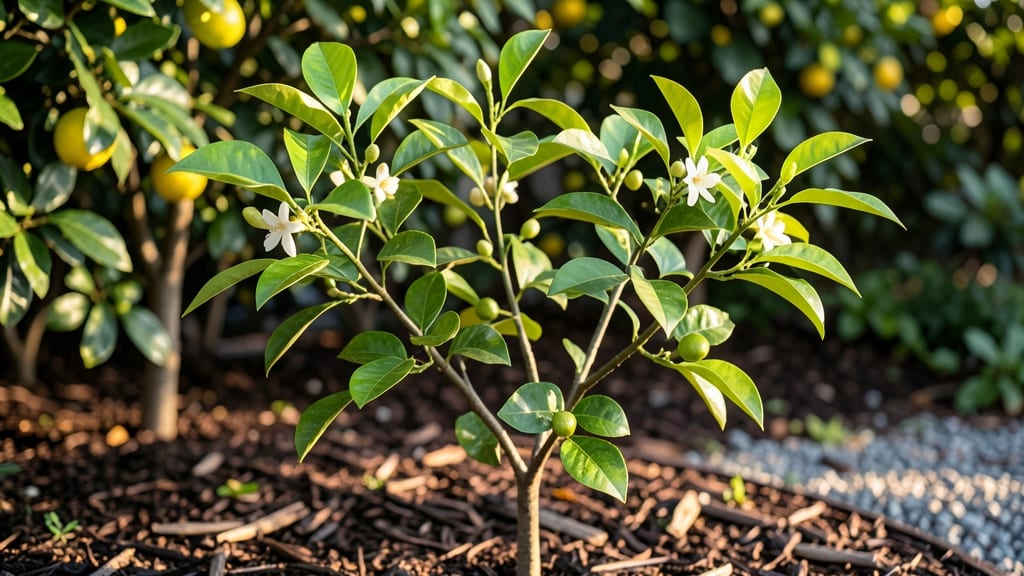
Your tree’s lime green leaves aren’t just a seasonal quirk—they’re a cry for help. 🌿 I’ve seen this symptom on maples, oaks, and even fruit trees, and it’s almost always a sign of stress, whether from poor soil, pests, or hidden fungal pressure.
The good news? Most causes are fixable with simple steps that keep your tree thriving year-round.
First, check the soil—lime green often means nitrogen deficiency or compacted roots. A quick soil test (or even a finger in the dirt) reveals the truth. If pests like spider mites are sucking sap, you’ll spot webbing or tiny specks on leaves.
Fungal stress? Look for yellowing between veins or powdery growth. The key is acting fast before the problem spreads deeper.
With the right approach, you’ll restore that rich green in weeks. A balanced fertilizer boosts color, neem oil tackles pests, and proper watering prevents fungal flare-ups. My neighbor’s oak went from sickly lime to deep green in just 6 weeks after we adjusted the soil pH and pruned dead branches.
This works for shade trees, fruit trees, and even young saplings. Whether you’re dealing with a single branch or the whole canopy, the same principles apply. Let’s get your tree back to its vibrant best—without the guesswork.
Root Causes Behind Unusual Leaf Color
When your tree’s leaves turn a striking lime green—whether it’s a natural trait or a sign of stress—understanding the why behind it is key to maintaining its health. Below, we break down the most common reasons, from environmental factors to nutrient imbalances, and what they mean for your tree.
A sudden shift to lime-green leaves often signals a nutritional red flag. Trees rely on a balanced mix of macronutrients (like nitrogen, phosphorus, and potassium) and micronutrients (such as iron, magnesium, and zinc) to produce chlorophyll—the pigment responsible for healthy green leaves.
When one or more of these nutrients are lacking or overabundant, chlorophyll production can be disrupted, leading to pale or lime-tinted foliage.
- Nitrogen Deficiency:
While nitrogen is essential for leaf growth, too little can cause leaves to turn pale yellow or lime green, especially in younger leaves.
This is common in sandy or overly acidic soils where nitrogen isn’t readily available. Actionable fix: Apply a slow-release nitrogen fertilizer (like compost or organic matter) and test your soil’s pH to ensure it’s between 6.0–7.0 for most trees.
- Magnesium or Iron Deficiency:
These micronutrients are critical for chlorophyll synthesis. A deficiency often appears as interveinal chlorosis (lime-green or yellowing between leaf veins), starting on older leaves.
Trees in alkaline soils (pH > 7.0) are particularly prone to iron deficiency. Actionable fix: Use chelated iron supplements or apply sulfur to lower soil pH gradually. For magnesium, incorporate Epsom salt (magnesium sulfate) into the soil or use a foliar spray.
- Excessive Fertilizer Use:
Over-fertilizing—especially with synthetic nitrogen—can burn roots and prevent the tree from absorbing other essential nutrients, leading to lime-green or even reddish hues. Actionable fix: Reduce fertilizer applications, water thoroughly to flush excess salts, and switch to organic, slow-release options.
Water stress, whether from drought or overwatering, can trigger lime-green leaves by disrupting nutrient uptake and chlorophyll production. Trees are sensitive to moisture imbalances, and their leaves often signal distress before other symptoms appear.
- Underwatering:
When roots struggle to access water, the tree prioritizes survival over leaf health.
This can cause wilting, curling, or lime-green discoloration, particularly in broadleaf trees like maples or oaks. Actionable fix: Deep water the tree slowly (1–2 inches per week, depending on climate) and improve soil drainage by amending it with compost or organic matter.
- Overwatering or Poor Drainage:
Soggy soil cuts off oxygen to roots, leading to root rot and nutrient deficiencies. Lime-green leaves paired with yellowing or dropping foliage are classic signs. Actionable fix: Allow the top 2–3 inches of soil to dry between waterings, and consider raised beds or gravel amendments if your soil is clay-heavy.
Trees are masters of adaptation, but extreme or sudden changes in their environment—like intense sunlight, shade shifts, or air pollution—can cause lime-green leaves as a stress response.
- Sun Scorch or Heat Stress:
Young trees or those suddenly exposed to full sun (e.g., after a neighbor’s tree is removed) may develop lime-green or bleached patches on leaves due to oxidative damage.
This is common in species like birch or cherry trees. Actionable fix: Provide afternoon shade with temporary shade cloth or mulch to retain soil moisture, and gradually acclimate the tree to more sunlight.
- Shade Deficiency:
Some trees (e.g., ferns, hostas, or shade-loving species) turn lime-green when they don’t get enough light for photosynthesis. Actionable fix: Prune nearby structures or competing vegetation to allow dappled sunlight (4–6 hours of indirect light per day).
- Air Pollution or Ozone Damage:
Urban trees often suffer from lime-green or stippled leaves due to ozone or sulfur dioxide exposure.
These pollutants break down chlorophyll, leading to a dull, pale appearance. Actionable fix: While you can’t control air quality, regularly water trees to help flush out pollutants and use foliar sprays with antioxidants (like vitamin E) to protect leaves.
While lime-green leaves aren’t always a sign of pests or disease, certain insects or pathogens can disrupt nutrient flow or chlorophyll production, leading to this color shift.
- Sap-Sucking Insects (Aphids, Spider Mites):
These pests inject toxins or block nutrient transport in leaves, causing lime-green or yellowing patches. Infestations often appear on the underside of leaves. Actionable fix: Blast off pests with a strong stream of water, apply neem oil, or introduce beneficial insects like ladybugs.
- Fungal or Bacterial Infections:
Diseases like anthracnose or bacterial leaf scorch can create irregular lime-green or necrotic spots. These pathogens often thrive in wet or humid conditions. Actionable fix: Remove and destroy infected leaves, prune for airflow, and apply copper-based fungicides as a preventative measure.
Not all lime-green leaves are a cause for alarm! Some tree species or cultivars are genetically predisposed to produce lighter green or yellow-green foliage as part of their natural beauty. Examples include:
- Golden or Variegated Cultivars: Trees like the Ginkgo biloba ‘Variegata’ or Liquidambar ‘Worplesdon’ (a lime-green sweetgum) are bred for their unique coloration.
- Spring Flush: New growth in spring often appears lime-green before maturing to a deeper hue. This is completely normal and not a sign of stress.
Pro Tip: 🌡️ If you’re unsure whether the color is natural, compare your tree to others of the same species. Consult a local arborist or extension service for species-specific guidance.
Revitalize Your Tree’s Glow
If your tree’s leaves have turned a vibrant lime green—and you’re concerned about the cause—don’t panic! With the right approach, you can restore your tree’s health and prevent future issues.
Below, we’ve mapped out practical solutions tailored to the most common causes of lime-green foliage, from nutrient imbalances to environmental stressors. Each fix is designed to be easy to implement, whether you’re a seasoned gardener or just starting out.
If lime-green leaves are a sign of over-fertilization or chemical damage, your tree is essentially burning out from excess salts or nutrients. The good news? You can help it recover by flushing the soil and adjusting care.
#### 🔥 Step 1: Stop Fertilizing ImmediatelyCut off all fertilizers, pesticides, or herbicides near the tree’s root zone. These can exacerbate the problem by locking nutrients or clogging soil pores.
#### 💦 Step 2: Flush the Soil (Deep Watering Technique)Give your tree a slow, deep watering to leach out excess salts. For large trees, use a soaker hose or irrigation system for 30-60 minutes. Repeat every 2-3 days until the soil runs clear when you check a sample.
#### 🌱 Step 3: Amend the Soil NaturallyImprove soil health with organic matter:
- Compost or well-rotted manure (1-2 inches mixed into the top 6 inches of soil).
- Peat moss or coconut coir to improve drainage and reduce compaction.
- Worm castings for gentle, slow-release nutrients.
Test your soil’s pH and nutrient levels after 4-6 weeks. Aim for a slightly acidic to neutral pH (6.0–7.0) for most trees. If lime-green leaves persist, a soil test kit (available at garden centers) can pinpoint deficiencies.
Lime-green leaves often signal a lack of key nutrients, especially nitrogen, magnesium, or iron. Unlike over-fertilization, this case requires a gentle but precise nutrient boost.
#### 🔍 Step 1: Identify the DeficiencyCompare your tree’s leaves to these clues:
- Yellowing between veins (chlorosis) → Likely iron or magnesium deficiency.
- Overall pale green → May need nitrogen.
- Stunted growth + lime-green → Could be zinc or manganese.
Use these targeted solutions:
Nutrient Deficiency
Solution
How to Apply
Iron (Chlorosis)
Iron chelate or liquid iron supplement
Spray foliage every 2 weeks or apply to soil (follow product rates).
Magnesium
Epsom salt (magnesium sulfate)
Dissolve 1 tbsp per gallon of water and spray leaves monthly.
Nitrogen
Organic matter (compost, fish emulsion)
Work into soil in spring or use a slow-release organic fertilizer.
After 4-6 weeks, check for improvement. If leaves darken to a healthy green, you’ve hit the mark! If not, repeat the soil test and adjust.
Heat, drought, or poor drainage can turn leaves lime-green by disrupting nutrient uptake. Here’s how to create a stress-free environment.
#### 🌧️ Step 1: Improve Watering PracticesMost trees prefer deep, infrequent watering over shallow, frequent sessions. Aim for:
- 1–1.5 inches of water per week (including rain).
- Mulch heavily (3–4 inches of wood chips or bark) to retain moisture.
- Avoid wetting leaves if fungal issues are suspected (water at the base).
If your tree is in a hot, sunny, or windy spot, consider:
- Planting taller, shade-tolerant species nearby (e.g., birch or dogwood).
- Using burlap screens or lattice to block harsh winds.
- Installing a drip irrigation system for consistent moisture.
For container-grown trees, ensure pots have drainage holes and use a well-draining potting mix (e.g., 60% soil, 30% perlite, 10% compost). Overwatering in pots is a common culprit for lime-green leaves!
If lime-green leaves are accompanied by spots, wilting, or insect activity, your tree may be fighting an unseen battle. Act fast to prevent spread.
#### 🔪 Step 1: Prune & Remove Affected AreasCut out yellowed, spotted, or distorted leaves with sterile pruners. Dispose of them in the trash (not compost) to avoid reinfection.
#### 🌡️ Step 2: Apply Fungicidal or Insecticidal TreatmentsUse these targeted options:
- Neem oil (for fungal issues like powdery mildew or pests like aphids).
- Copper fungicide (for bacterial leaf spot or blight).
- Insecticidal soap (for mites or scale insects).
Always follow label instructions and reapply every 7–14 days as needed.
#### ✨ Step 3: Boost Tree ResilienceHealthy trees resist pests better! Strengthen your tree with:
- Regular mulching to improve root health.
- Balanced fertilization (avoid high-nitrogen in late summer).
- Ensuring proper spacing for airflow (trees need room to breathe!).
Once your tree’s back to its vibrant best, lock in those gains with these preventive measures:
- ✅ Test soil every 2–3 years to monitor pH and nutrients.
- ✅ Water deeply but infrequently—avoid soggy soil.
- ✅ Mulch annually to protect roots and retain moisture.
- ✅ Inspect leaves monthly for early signs of stress or pests.
- ✅ **Avoid heavy-handed fertilizers
Frequently asked questions
Why do some trees naturally have lime green leaves?
Certain tree varieties are bred or naturally produce lime green leaves as part of their genetic makeup. Examples include the 'Worplesdon' sweetgum or variegated ginkgo trees. These cultivars often have lighter green or yellow-green foliage as a distinctive feature. If your tree matches one of these species, the color is completely normal and not a sign of stress.
How can I tell if lime green leaves are from a deficiency or just new growth?
New growth typically appears lime green in spring before maturing to a deeper green. Look for this pattern on younger leaves at the tree's tips. If the entire tree (including older leaves) has lime green coloration, it's more likely a nutrient deficiency like iron or magnesium. Check for yellowing between veins—this is a classic sign of chlorosis caused by deficiencies.
What's the fastest way to fix iron deficiency in my tree?
For quick results, use an iron chelate spray applied every 2 weeks to foliage. Mix 1 tablespoon of Epsom salt (for magnesium) with 1 gallon of water and spray leaves monthly. For soil application, work 1 pound of iron sulfate into the top 6 inches of soil per 100 square feet of root zone. Always water thoroughly after application.
Can overwatering cause lime green leaves?
Yes, absolutely. Overwatering creates waterlogged soil that prevents roots from absorbing oxygen and nutrients properly. This leads to nutrient deficiencies that manifest as lime green leaves. Let the top 2-3 inches of soil dry between waterings, and consider improving drainage with organic matter or raised beds if your soil is clay-heavy.
Are there any safe home remedies for lime green leaves?
Yes! For mild cases, try these organic solutions: Mix 1 tablespoon of liquid seaweed fertilizer with 1 gallon of water and spray leaves weekly. Or create a compost tea by steeping compost in water for 24 hours, then using it to water your tree. Both provide gentle nutrient boosts without risking over-fertilization.