
Neem Oil
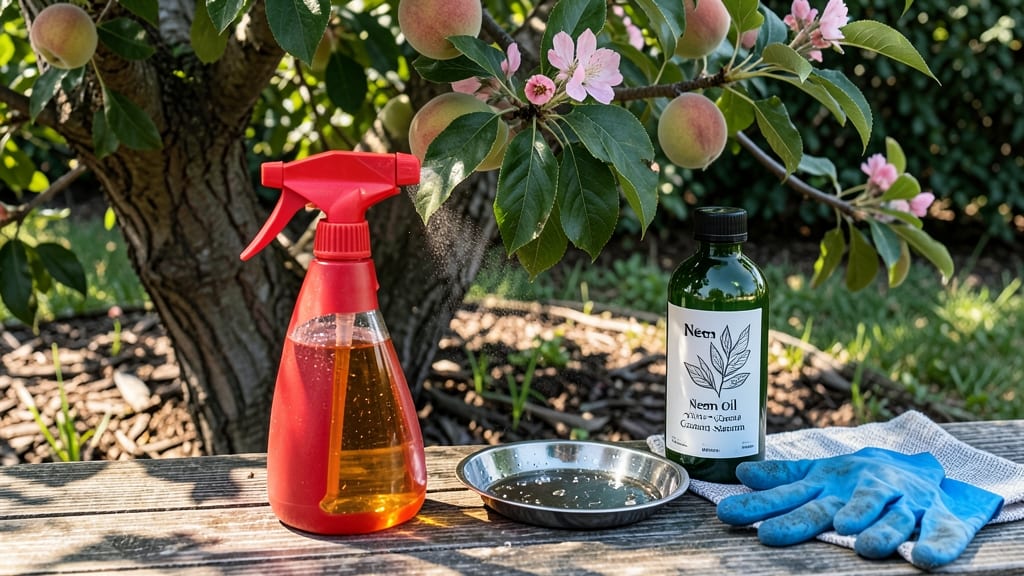
A fruit tree oil spray made from neem oil saved my peach tree from aphid hell last summer. ✨ The sticky green pests had turned leaves yellow and stunted new growth, but this simple homemade spray cleared them out in less than a week without harming bees or beneficial insects.
This isn't just about killing pests—it's a preventative shield. The same spray stops fungal diseases like peach leaf curl and sooty mold before they take hold. You'll mix just three ingredients: neem oil, horticultural oil, and water, with a touch of soap to help it stick.
The process takes about 10 minutes and costs pennies per gallon compared to commercial sprays.
What you'll end up with is trees that stay lush and productive, with fewer pests and diseases year after year. The key is timing—apply it in early spring before pests arrive, and again after harvest to prevent overwintering bugs.
You'll notice fewer leaves curling, no more sticky honeydew on fruit, and a healthier tree overall.
Works for apples, pears, citrus, and stone fruits too. The spray breaks down naturally, so there's no residue to worry about on fruit you'll eat. Let's get your trees protected the organic way—no harsh chemicals needed.
📚 In This Guide
- What you need
- Instructions
- Tips and common mistakes
- Wrapping up and next steps
What you need
- ● Neem oil (cold-pressed, organic): 1 tablespoon (15 mL) – Look for 100% pure, cold-pressed neem oil for maximum efficacy.
- ● Water (distilled or dechlorinated): 1 quart (32 oz or ~1 liter) – Avoid tap water if it’s heavily chlorinated.
- ● Dish soap (mild, unscented): ½ teaspoon (2.5 mL) – Helps the oil adhere to plant surfaces.
- ● Spray bottle (glass or food-grade plastic): 16 oz (473 mL) – Choose one with a fine-mist nozzle for even coverage.
- ● Stirring stick or spoon: 1 – For thorough mixing.
- ○ Protective gear (optional but recommended): Gloves (nitrile or rubber)
- ● Long sleeves/pants
- ● Eye protection (safety goggles)
- ● Garlic or onion extract (for extra pest repellent): 1 teaspoon – Adds a natural antifungal boost.
- ● Horticultural oil (light, not dormant): ½ teaspoon – For added fungal defense (use sparingly).
- ● Essential oils (e.g., peppermint, rosemary): 2-3 drops – Enhances scent but avoid overuse—some oils can harm plants.
Step-by-Step instructions for making fruit tree oil spray
Here's how to create a simple, effective neem-based spray that protects your trees naturally.
🌿 Step 1: Gather and Mix the Base Solution
In a clean 1-gallon sprayer, combine 1 quart of water with 1 tablespoon of liquid dish soap. The soap acts as an emulsifier, helping the oil mix properly with water. Shake gently to avoid creating too many suds—you want a smooth, even blend without bubbles.
Add 1 tablespoon of neem oil to the mixture. Neem oil contains natural compounds that disrupt pests' life cycles and repel them. Stir well or shake the sprayer vigorously for 30 seconds to ensure everything is fully combined. The solution should look slightly cloudy but not oily or separated.
💧 Step 2: Dilute and Prepare for Application
Fill the sprayer the rest of the way with 3 more quarts of water to make a total of 1 gallon. This dilution ensures the spray won’t harm your tree’s leaves or fruit while still delivering effective pest control. Shake the sprayer again to redistribute the ingredients evenly.
Let the mixture sit for 10-15 minutes before use. This gives the oil and soap time to fully integrate, making the spray more effective. If you notice any separation after sitting, shake it again until it’s uniform. The goal is a fine mist that coats leaves evenly without clumping.
✂️ Step 3: Apply the Spray Correctly
Choose a calm, overcast day to apply the spray. Wind or direct sunlight can cause the solution to dry too quickly or evaporate before it works. Start by spraying the undersides of leaves first—this is where many pests hide and where they’ll get the most direct contact with the oil.
Hold the sprayer 12-18 inches away from the tree and apply until the leaves are lightly damp but not dripping. Focus on areas with visible pests or signs of fungal growth, like brown spots or powdery residue. Avoid spraying fruit directly if you plan to harvest soon—wait at least 24 hours before eating.
☀️ Step 4: Schedule and Rotate Applications
Apply the spray every 7-10 days during active pest seasons (spring through early fall). Consistency is key—pests and fungi build up resistance if you skip applications. Early morning or late afternoon are the best times to spray, as the cooler temperatures help the oil adhere better to leaves.
Rotate this spray with other natural remedies, like garlic or horticultural oil, every few weeks. Neem oil works best as part of a varied defense plan. Always store any leftover spray in a cool, dark place and use it within 1 week for maximum effectiveness.
Tips & tricks for perfect fruit tree oil spray
A few key adjustments will make your neem-based spray work even better—trust me, your trees will thank you.
Emulsifier Tip: If you notice the oil and water separating after the 10-15 minute resting period, don't panic! This is normal with some dish soaps. For a more stable mix, try using 1 teaspoon of vegetable glycerin along with the liquid dish soap—it helps bind the oil and water better without altering the spray's effectiveness. Shake thoroughly before each use to maintain that even cloudy texture.
Application Technique: When spraying in Step 3, focus on the new growth and young leaves first—these are where pests and fungal spores love to settle. Use a gentle, sweeping motion to ensure even coverage on both leaf surfaces. For larger trees, work in sections to avoid missing spots. The 12-18 inch distance is perfect for creating that fine mist without oversaturating the leaves.
Storage Wisdom: After making your spray, store it in a cool, dark place—but don't wait more than 1 week to use it. If you notice mold growth or a foul odor, discard it immediately. For longer storage, you can freeze the spray in ice cube trays (without water) and thaw as needed. Just remember to shake well before use, as freezing can cause slight separation.
Safety First: Always test your spray on a small area of leaves first, especially if your tree is particularly sensitive. Some citrus trees, for example, can be more reactive to neem oil. Wait 24 hours before harvesting fruit after application to ensure any residue has fully settled. If you're using this spray near edible plants, avoid spraying directly on fruit or flowers.
Pro Tips for Fruit Tree Oil Spray
- A few key adjustments will make your neem-based spray work even better—trust me, your trees will thank you.
- Emulsifier Tip: If you notice the oil and water separating after the 10-15 minute resting period, don't panic!
- Application Technique: When spraying in Step 3, focus on the new growth and young leaves first—these are where pests and fungal spores love to settle.
Frequently asked questions
Got questions about using fruit tree oil spray to protect your orchard? You’re not alone! Here are answers to the most common concerns—so you can spray with confidence and keep your trees thriving.
How often should I apply fruit tree oil spray?
For best results, apply neem oil spray every 7–14 days during active pest seasons (spring through early fall). Start early in the season to prevent infestations, and reapply after heavy rain. Consistency is key—think of it like a shield for your trees!
When is the best time of day to spray?
Spray in the early morning or late afternoon to avoid scorching leaves from direct sunlight. This also helps the oil adhere better and reduces evaporation. Avoid spraying on windy days to prevent drift and ensure even coverage.
Can I use fruit tree oil spray on all types of fruit trees?
Yes! Neem oil is safe for most fruit trees, including apples, peaches, citrus, and berries. However, avoid spraying flowering trees (like fruit trees in bloom) as neem oil can harm pollinators. Always test a small area first, especially on sensitive varieties.
What if pests return after spraying?
If pests persist, try reapplying the spray more frequently (every 5–7 days) or mix in insecticidal soap or horticultural oil for a stronger defense. Check for hidden infestations (like under leaves or bark) and adjust your spray technique for better coverage.
Are there natural alternatives to neem oil spray?
Yes! Try these DIY alternatives:
- Garlic or chili pepper spray (repels soft-bodied pests)
- Soap spray (1 tbsp mild soap + 1 quart water)
- Diatomaceous earth (for crawling insects, but reapply after rain)
Wrapping up and next steps
Transforming your fruit trees into a thriving, pest-free sanctuary is simpler than you think!
With a fruit tree oil spray made from neem oil, you’ve got a natural, effective, and eco-friendly solution to keep fungal threats and unwanted pests at bay. Your garden’s health—and your peace of mind—are just a spray away!
Ready to take action? Start by gathering your supplies, following the steps with confidence, and watch your trees flourish. Try your first batch today and experience the difference firsthand! 🌿✨