
Pruning
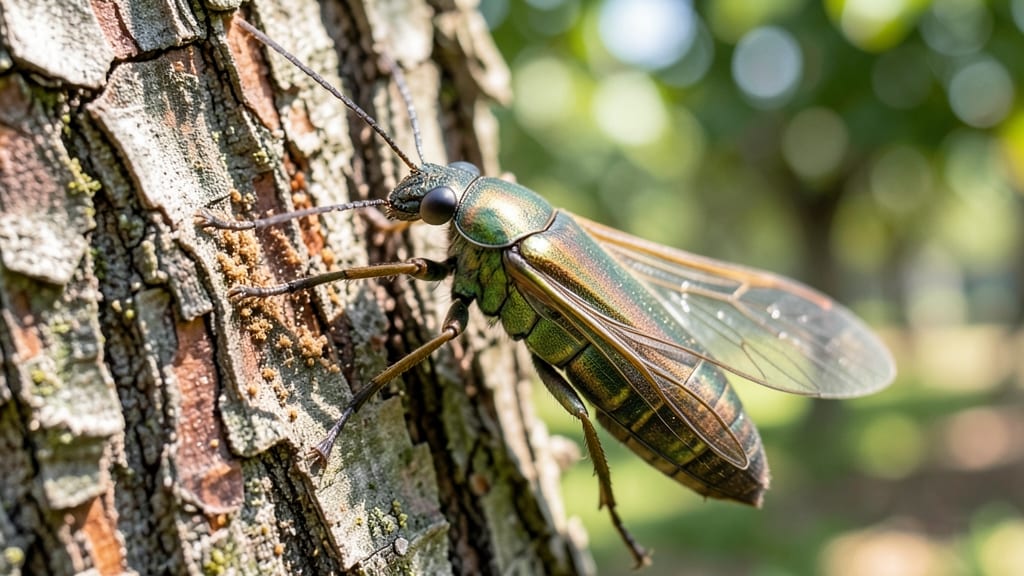
Fruit tree borers turn your backyard harvest into a battle zone. 🌳 These wood-boring pests chew through bark, disrupt nutrient flow, and leave sawdust-like frass near entry holes—signs I learned to spot after my peach tree’s branches suddenly wilted last summer.
The damage starts when adult moths lay eggs in bark cracks, and larvae tunnel beneath the surface. By the time you see wilting leaves or oozing sap, the borers are already deep inside. The good news? Organic drill-out methods remove them before they spread, saving your tree without harsh chemicals.
You’ll restore your tree’s health in just a few hours using simple tools—a drill, wood screws, and a bucket of soapy water. The process kills existing borers and prevents future infestations by sealing entry points naturally.
This method works for apple, cherry, peach, and plum trees—any fruit tree with bark thick enough to bore through. The key is acting fast, before the larvae mature and the damage becomes irreversible.
Root Causes Of Tree Damage
When destructive pests like fruit tree borers strike, they don’t just appear out of nowhere—they’re drawn to specific conditions that make your trees vulnerable. Understanding these triggers is the first step to preventing an infestation before it starts.
Let’s break down the key reasons these wood-boring insects target your fruit trees, so you can act before they do.
Healthy trees are naturally resistant to many pests, but when they’re stressed, they become an all-you-can-eat buffet for borers. Here’s what makes your trees a target:
- Nutrient Deficiencies: Trees lacking essential nutrients (like nitrogen, potassium, or magnesium) produce weak, brittle wood—perfect for borers to chew through. Think of it like a house with termite damage: if the structure is already compromised, pests exploit it.
- Water Stress: Both overwatering (which causes root rot) and underwatering (leading to drought stress) weaken a tree’s defenses. Borers detect stressed trees by their reduced sap flow, making them easier to invade.
- Poor Soil Drainage: Waterlogged soil suffocates roots, starving the tree of oxygen. This stress signals to borers that the tree is struggling—and thus, an easier meal.
- Physical Damage: Cracks, splits, or wounds from pruning, storms, or hail create entry points. Borers use their sharp mandibles to drill into these vulnerable spots, bypassing the tree’s natural barriers.
💡 Pro Tip: Conduct a simple soil test and check for signs of nutrient deficiencies (yellowing leaves, stunted growth). Amending soil with compost or a balanced fertilizer can dramatically reduce a tree’s appeal to borers.
Borers aren’t random—they’re opportunistic and thrive in environments that suit their life cycle. These conditions turn your orchard into a borer paradise:
- Warm, Humid Climates: Most fruit tree borers (like the peach tree borer or flatheaded apple tree borer) are most active in temperatures between 75–90°F (24–32°C). High humidity keeps their eggs and larvae from drying out, accelerating infestations.
- Overcrowded Orchards: Trees growing too close together create shaded, damp microclimates where moisture lingers. This slows down healing of wounds and attracts borers looking for easy access.
- Mulch Piles & Debris: Piles of wood chips, fallen branches, or old fruit near the tree trunk provide hiding spots for adult borers and shelter for larvae. These pests use the debris as a nursery before moving to your tree.
- Young or Newly Planted Trees: Young trees have thinner bark and less developed defense mechanisms. Borers can penetrate them with ease, often killing the tree before you even notice.
🌡️ Climate Hack: If you live in a hot, humid region, prune during cooler months (late fall/winter) to minimize stress. Also, keep mulch 3–4 inches away from the trunk to prevent moisture buildup.
Borers don’t just wander in—they’re highly selective in choosing their hosts. Here’s how they “decide” your tree is their next target:
- Pheromone Trails: Female borers release sex pheromones to attract males, but they also emit host-seeking chemicals that signal to other borers: “This tree is weak—come eat!” Removing infested branches immediately disrupts these chemical cues.
- Fungal & Bacterial Infections: Borers often follow pre-existing infections (like fire blight in apples or brown rot in peaches). The fungus or bacteria weakens the tree, and borers move in to finish the job.
- Root Grafting & Girdling Roots: When tree roots grow around each other (common in orchards with multiple varieties), they strangle the trunk over time. This girdling effect starves the tree of nutrients, making it a prime borer target.
- Previous Infestations: If a tree has survived a borer attack before, it may still have larvae hidden in the cambium layer (the tree’s “nutrient highway”). These dormant pests can reactivate when the tree is stressed.
🔍 Early Detection Tip: Look for sawdust-like frass (borer poop) at the base of the trunk or in cracks—this is a clear sign of an active infestation. Act fast, because once borers tunnel into the vascular system, they can block water and nutrient flow within days.
Now that you know why borers target your fruit trees, the next step is how to stop them. The good news? With the right organic methods—like the drill-out technique—you can eliminate these pests without harsh chemicals. Stay tuned for actionable solutions!
Quick Fixes for Wormy Trees
Now that you know why fruit tree borers strike, let’s roll up our sleeves and tackle these pests head-on! The good news? A mix of immediate action and long-term prevention can save your tree—and your harvest.
Below, we’ve broken down the most effective solutions by cause, so you can act fast without breaking the bank or the environment.
If you spot sawdust-like frass, oozing sap, or weakened branches, your tree is already under siege. Don’t wait—borers multiply fast, and the longer they’re in, the harder they are to remove.
- 🔪 Drill Out the Larvae (The Organic Way) - What you’ll need: A hand drill or screwdriver, tweezers, rubbing alcohol (70% or higher), wood ash, and pruning shears (for severe damage). - Steps: - Locate the holes (usually 1/8"–1/4" wide) on the trunk or branches.
Tap gently—they’ll sound hollow. - Drill or poke into the hole with a sterilized tool (wipe with rubbing alcohol between trees).
You’ll feel resistance as you hit larvae. - Pull them out with tweezers—dispose of them in soapy water (never compost them!). - Apply wood ash to the hole to deter future borers (it’s a natural irritant). - Seal with pruning wax (optional) to protect the wound.
> 💡 Pro Tip: Work on a dry, sunny day—borers are sluggish in heat, making them easier to remove.
- 🌿 Flush Out Larvae with Soap Spray (For Light Cases)
- Mix 1 tbsp mild liquid soap (like Castile soap) with 1 quart of water in a spray bottle.
- Drench the infested area (especially holes and cracks) and let it sit for 10–15 minutes.
- The soap suffocates larvae and washes them out—check for them afterward and remove manually.
Even after removing borers, your tree needs help recovering. Weakened wood is an open invitation for reinfestation—so reinforce it properly.
- 🪓 Prune Dead or Hollow Branches
- Use sterilized pruning shears to cut 1–2 inches below the damaged area.
- Dispose of infected wood in a sealed bag (do not leave it near your garden).
- Seal larger wounds with pruning sealant (like Tanglefoot Tree Wound Pruning Seal) to prevent rot.
- 🌱 Boost Tree Health with Organic Fertilizer
- Borers target stressed trees. Give yours a nutrient boost with:
- Compost tea (rich in microbes)
- Fish emulsion (for nitrogen)
- Mycorrhizal fungi (helps roots absorb water/nutrients)
- Water deeply (1–2 inches per week) to encourage strong growth.
- Borers target stressed trees. Give yours a nutrient boost with:
An ounce of prevention is worth a pound of drill-out sessions. Healthy trees = unhappy borers.
| Prevention Step | How to Do It | Best Time |
|---|---|---|
| 🌿 Mulch Properly | Apply 2–4 inches of organic mulch (wood chips, straw) away from the trunk. | Spring or fall |
| 💦 Water Wisely | Deep watering (1–2 times per week) encourages strong roots. Avoid overhead watering. | Year-round, more in drought |
| 🍃 Trap Healthy Trees | Plant sacrificial trees (like peach or plum) far from your fruit trees to lure borers away. | Early spring |
| 🐛 Beneficial Nematodes | Apply Heterorhabditis bacteriophora (sold online) to soil—kills borer larvae naturally. | Late spring or early fall |
| 🪲 Bird & Bat Houses | Install bat boxes or birdhouses near your orchard—natural borer predators! | Year-round |
> 🔥 Hot Tip: Avoid fresh pruning wounds in late summer—borers are most active then. Prune in late winter or early spring instead.
If your tree is severely hollow, oozing heavily, or shows signs of fungal infection, it may need professional help.
An arborist can: - Assess structural damage (some trees may need cabling or bracing). - Inject systemic treatments (like Spinosad or Bt, a bacterial pesticide safe for organic gardens). - Remove hopelessly infected trees before borers spread.
Final Thought: With the drill-out method, proper pruning, and preventive care, you can kick borers to the curb—and keep your fruit trees thriving for years. Start today, and your tree will thank you at harvest time! 🍎🌳
Frequently asked questions
What do fruit tree borer holes look like?
Look for small, round holes (about 1/8"–1/4") in the bark, often with sawdust-like frass (borer droppings) around them. Tap the area gently—it’ll sound hollow if larvae are inside. These holes are usually near the trunk or larger branches where bark is thinner.
Can I use chemical pesticides to kill fruit tree borers?
Chemical options like permethrin or carbaryl can work, but they harm beneficial insects and may not reach larvae deep in the wood. For organic solutions, try Spinosad (derived from soil bacteria) or neem oil applied to entry points. Always follow label instructions carefully.
How often should I check my fruit trees for borers?
Inspect your trees every 4–6 weeks during growing season (spring to fall), focusing on cracks, peeling bark, and areas with old pruning wounds. After heavy rains or storms, check immediately—these conditions create ideal entry points for borers.
Will removing one infested branch stop the spread?
Not always. Borers can spread through the tree’s vascular system, so remove all visible infested branches and treat the trunk with the drill-out method. Dispose of infected wood in sealed bags far from your garden to prevent reinfestation.
Can young fruit trees get borers too?
Yes! Young trees are especially vulnerable because their bark is thinner and defenses are weaker. Protect them with tree collars (plastic wraps around trunks) and apply beneficial nematodes to soil in early spring. Monitor closely—early detection is key for young trees.