
Light Requirements
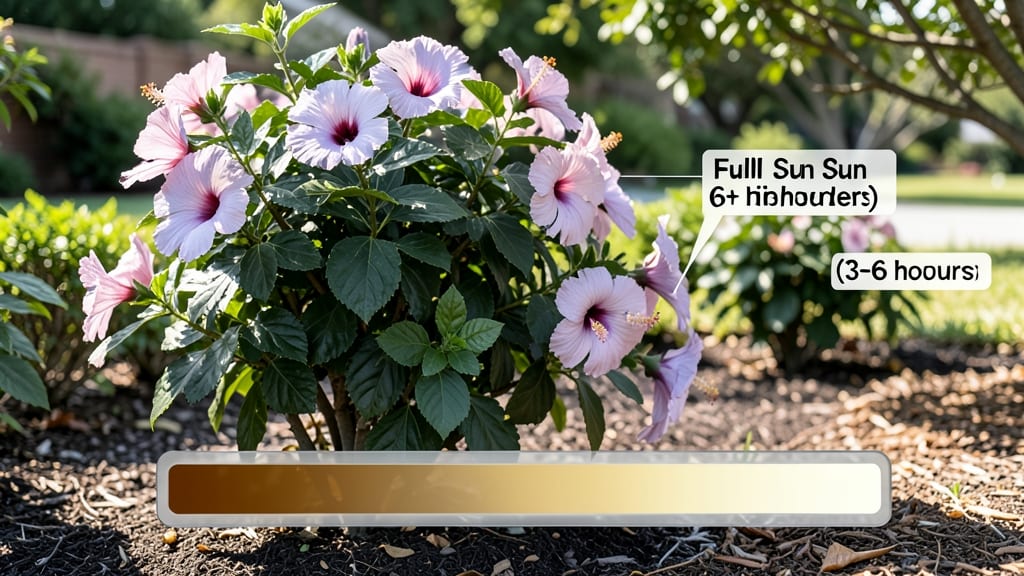
A hibiscus tree needs full sun to flourish, but the right balance of light and care makes all the difference for those stunning blooms 🌺.
If you’re wondering whether your hibiscus tree thrives in full sun or can survive in partial shade, you’re not alone—many gardeners struggle with this question. The truth is, hibiscus plants do need sunlight, but not necessarily the harsh, all-day glare you might think.
While 6 to 8 hours of direct sun is ideal, hibiscus trees in hotter climates (like Zone 6a) may benefit from afternoon shade to prevent leaf scorch.
Too little light leads to leggy growth and fewer flowers, while too much can stress the plant—especially in containers where roots can’t escape the heat.
Below, I’ll break down how to optimize sunlight for your hibiscus, whether it’s in the ground or a pot, and what to watch for when the light isn’t quite right.

How many hours of sun does a hibiscus tree really need?
Hibiscus trees are often called "the tropical queen" of the garden, and for good reason—they love basking in sunlight. But here's the catch: not all sunlight is created equal.
While 6 to 8 hours of direct sunlight daily is ideal, many gardeners mistakenly assume hibiscus trees need unrelenting full sun all day. The truth? These plants thrive with bright, morning to afternoon sun, while afternoon shade can protect them from scorching heat, especially in hot climates.
Think of it like a sunbathing session—hibiscus trees enjoy their time in the sun but don’t need to stay out all day.
In fact, tropical hibiscus varieties (like Hibiscus rosa-sinensis) often struggle with intense afternoon heat, while hardy hibiscus types (such as Hibiscus syriacus) can tolerate slightly more sun exposure. Understanding this balance is key to keeping your hibiscus blooming beautifully and healthy year-round.
🌺
If you're growing a tropical hibiscus in a hot, dry climate like Zone 10 or 11, aim for morning sun with afternoon shade. This mimics their natural habitat, where they grow under dappled sunlight in tropical forests.
On the other hand, hardy hibiscus varieties in cooler zones (like Zone 5-7) can handle full sun exposure because they’re adapted to longer daylight hours and cooler temperatures.
One common misconception is that hibiscus trees need 10+ hours of sun to thrive. While they love sunlight, excessive exposure—especially in high-heat areas—can lead to leaf scorch or wilting.
Instead, focus on quality over quantity: bright, direct sunlight for 6-8 hours with protection from intense afternoon rays will keep your hibiscus happy and blooming.
For potted hibiscus trees, sunlight needs change depending on your location. If you're in a northern climate (like Zone 4-6), place your pots in a south-facing spot to maximize sun exposure.
In southern climates (like Zone 8-11), move pots to a shadier spot in the afternoon to prevent heat stress. Even a 50% shade cloth can make a huge difference during peak summer heat.
Light intensity also plays a critical role in hibiscus flowering. Bright, indirect light encourages bud formation, while dim or filtered light can lead to leggy growth and fewer blooms.
If you notice your hibiscus stretching toward the light or producing small, weak flowers, it’s a sign it needs more direct sunlight. Conversely, yellowing leaves or crispy edges indicate too much sun exposure.
Pro tip: If you're growing hibiscus in containers or small spaces, rotate the pot every few weeks to ensure even sunlight distribution. This prevents one-sided growth and helps your hibiscus develop symmetrical branches and more abundant blooms.
Think of it as giving your plant a mini vacation to enjoy the sun from all angles!
In urban gardens or apartments with limited sunlight, hibiscus trees can still thrive with supplemental grow lights. A full-spectrum LED grow light for 12-14 hours daily can mimic natural sunlight, especially during winter months when daylight is shorter. Just ensure the light
Signs your hibiscus isn’t getting enough (or too much) sunlight
Your hibiscus tree might be silently screaming for help if its leaves look pale or its blooms are sparse. Sunlight stress often shows up as subtle (or obvious) clues, and recognizing them early can save your plant from decline.
Whether you're dealing with underwatered foliage or sunburned edges, these signs will help you diagnose the issue and adjust care.
Hibiscus thrives with 6-8 hours of direct sunlight, but too little or too much can both cause problems. In USDA Zone 8-10, hibiscus often handles full sun, but in cooler zones like Zone 6-7, afternoon shade can be a lifesaver.
Let’s explore the visual red flags and what they mean for your plant’s health.
⚠️ Warning: Sunlight Stress Symptoms
Too Little Sun: Leggy stems, fewer blooms, and yellowing leaves (chlorosis). Your hibiscus stretches toward light, becoming weak and sparse.
Too Much Sun: Brown leaf edges, crispy foliage, or scorched spots. Overheated leaves wilt or drop prematurely, especially in afternoon heat.
🌿 Action: Move potted hibiscus to partial shade if leaves show sunburn. For underlit plants, relocate to south-facing spots or use reflective surfaces.
Start by checking your hibiscus’s leaf color. If the undersides are pale yellow or the veins stay green while the rest fades, it’s likely nutrient-deficient due to poor light absorption.
This is a classic sign of low-light stress, common in indoor hibiscus or shaded outdoor spots. Try rotating your plant quarter-turns weekly to ensure even exposure.
On the flip side, sunburned leaves reveal themselves as white or brown patches along leaf edges. This happens when hibiscus gets intense midday sun without acclimation. If you’re in a hot, dry climate (like Zone 9-10afternoon shade with a sheer curtain or nearby trees.
Mulching the base also helps retain moisture and protect roots.
Another giveaway? Sparse or no blooms. Hibiscus needs sunlight to trigger flowering, so if your plant is bushy but flowerless, it’s likely underlit. In USDA Zone 5-6, hibiscus may need supplemental grow lights (12-14 hours daily) to bloom reliably.
For outdoor plants, prune leggy growth to encourage denser, sun-seeking branches.
Adjust care based on your climate zone. In cooler regions, hibiscus can tolerate morning sun + afternoon shade, while tropical zones benefit from full sun with afternoon misting. Monitor your plant’s response after changes—healthy hibiscus should show vibrant green leaves and frequent blooms within 4-6 weeks.
🌺 Remember, hibiscus is adaptable, but it won’t thrive in extreme conditions. Balance is key: 6+ hours of sun for blooms, protection from scorching for leaves, and consistent moisture to keep roots happy. With these tweaks, your hibiscus will reward you with bold, long-lasting flowers all season!