
How To
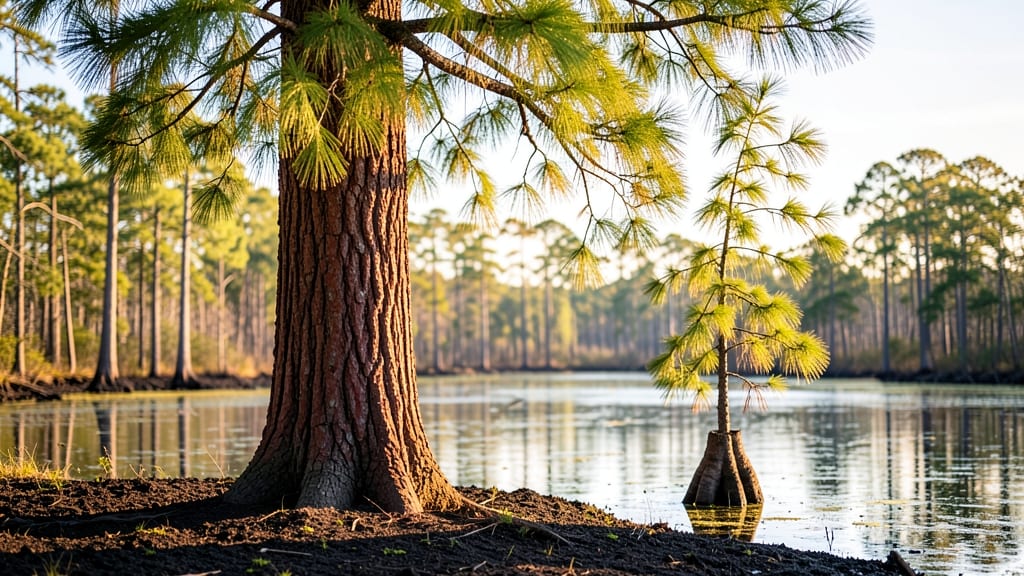
How tall does a cypress tree grow? At maturity, they reach heights of 30 to 70 feet, depending on the variety, making them one of the fastest-growing trees for privacy and shade.
If you're dreaming of towering, elegant cypress trees in your landscape but unsure how much space they’ll need, you’re not alone—many gardeners overlook the dramatic height differences between cypress varieties.
From the stately Bald Cypress reaching 70 feet to the compact Italian Cypress topping out at 20 feet, knowing these ranges is key to avoiding planting regrets.
Below, I break down the fastest-growing types, their mature sizes, and how to choose the perfect 🌲 cypress tree for your space—whether you want a quick privacy screen or a slow-growing bonsai-style specimen.


Cypress tree height ranges: fastest-growing types and their mature sizes
Choosing a cypress tree often comes down to one critical question: how tall does a cypress tree grow? The answer varies wildly—from towering giants like the Leyland Cypress to petite varieties like the Italian Cypress.
Understanding these differences helps you plan your landscape without future headaches. Let’s break down the fastest-growing cypress types and their mature heights so you can make an informed choice.
Cypress trees are prized for their vertical growth and year-round interest, but their size at maturity can make or break your garden design. Some varieties grow 3-4 feet per year in ideal conditions, while others take decades to reach their full height.
Knowing these growth rates helps you balance speed with long-term space needs. Below, we’ll compare the top 5 fastest-growing cypress species and their ideal spacing requirements.
🌲 Visual Comparison Coming Up: Below is a side-by-side table showing mature heights, growth rates, and spacing needs for each variety. This will help you visualize which cypress fits your property best.
| Cypress Type | Mature Height | Annual Growth Rate | Ideal Spacing (Mature) | Best For |
|---|---|---|---|---|
| Leyland Cypress | 60-70 ft | 3-4 ft/year | 12-15 ft from structures | Privacy screens, windbreaks |
| Monterey Cypress | 30-50 ft | 2-3 ft/year | 8-10 ft from structures | Coastal landscapes, focal points |
| Bald Cypress | 40-70 ft | 2-3 ft/year | 10-12 ft from structures | Wetlands, large yards |
| Italian Cypress | 15-25 ft | 1-2 ft/year | 5-6 ft from structures | Borders, small gardens |
| Arizona Cypress | 30-50 ft | 2-3 ft/year | 8-10 ft from structures | Arid climates, desert gardens |
Note: Growth rates vary by climate and soil conditions. Always check local regulations before planting near structures.
The Leyland Cypress is the undisputed champion for speed and height, shooting up 3-4 feet per year and reaching 60-70 feet at maturity.
This makes it ideal for gardeners needing a fast privacy screen, but it requires ample space—plant it at least 12 feet away from buildings to avoid future pruning nightmares. If you’re short on space, the Italian Cypress is a compact alternative, topping out at just 15-25 feet.
For a balance between speed and manageable size, the Monterey Cypress grows 2-3 feet annually and matures at 30-50 feet. It’s perfect for coastal gardens where its salt-tolerant roots thrive.
Meanwhile, the Bald Cypress—a native to wetlands—can also grow tall but prefers moist, acidic soil. Its deciduous foliage turns golden in fall, adding seasonal interest.
If you’re in an arid climate, the Arizona Cypress is a drought-resistant powerhouse, growing 2-3 feet per year with minimal water. Its blue-green needles and scaly bark make it a standout in desert landscapes. Just ensure you plant it 8-10
How to choose a Cypress tree based on height and growth rate
Choosing the right cypress tree for your landscape starts with understanding their height potential and growth speed. Some varieties like the Leyland Cypress shoot up 3-4 feet per year, while others like the Dwarf Italian Cypress grow just 6 inches annually.
Your space and design goals will dictate which type fits best—whether you need a privacy screen or a bonsai-style accent. Let’s break down how to match your needs with the perfect cypress.
First, measure your available space and check your local climate zone. Coastal areas thrive with Monterey Cypress, while inland gardens often prefer Bald Cypress for their adaptability.
Fast-growing types like Leyland Cypress reach 60-70 feet in 10-15 years, making them ideal for quick privacy—but they require regular pruning to maintain shape. Slower growers like Arizona Cypress stay under 30 feet and need minimal upkeep.
Cypress Tree Height & Growth Comparison
Best for quick privacy screens
Ideal for small spaces or bonsai
60-70 ft
✅ Pros:
- 3-4 ft/year growth
- Year-round greenery
- Excellent privacy
❌ Cons:
- Needs frequent pruning
- Susceptible to diseases
30-40 ft
✅ Pros:
- Narrow, elegant shape
- Drought-tolerant
- Low-maintenance
❌ Cons:
- Slow growth (1-2 ft/year)
- Limited shade
20-30 ft
✅ Pros:
- Salt-tolerant
- Fast growth (2-3 ft/year)
- Wind-resistant
❌ Cons:
- Not for inland climates
- Needs space
10-15 ft
✅ Pros:
- Compact size
- Heat-resistant
- Low water needs
❌ Cons:
- Slow growth (6-12 in/year)
- Limited availability
Choose based on your space, climate, and maintenance preferences.
For urban gardens or small yards, prioritize dwarf varieties like the Dwarf Italian Cypress or Baby Blue Cypress. These stay under 10-15 feet and thrive in containers, making them perfect for patios or balconies.
If you’re planting near a fence or property line, opt for Leyland Cypress—its rapid growth creates a dense privacy screen in just a few years, but be prepared for annual pruning to keep it manageable.
Consider your climate zone next. Bald Cypress thrives in swamps or wet soils (USDA Zones 4-10), while Monterey Cypress loves coastal climates (Zones 7-10). Inland areas with hot, dry summers should choose Arizona Cypress or Sawara Cypress, both of which handle drought and heat with ease.
Always check your local frost dates—some cypress types struggle with freezing temperatures below 15°F.
Don’t forget about maintenance needs. Fast-growing cypress trees like Leyland Cypress demand regular pruning to prevent overgrowth and disease, while slower growers like Italian Cypress require minimal trimming.
If you’re not up for yearly pruning, consider self-cleaning varieties like Bald Cypress, which shed needles naturally without needing shears.
Start by sketching your landscape layout and marking where you’ll plant. Measure vertical clearance—overhead power lines or roofs may limit your choices. If you’re unsure, consult a local nursery for advice tailored to your soil type and microclimate.
With the right cypress, you’ll enjoy year-round greenery that fits perfectly into your outdoor vision.